


Step-by-Step Guide: How to Sharpen Your Knives Like a Pro
Understanding Knife Sharpening Essentials
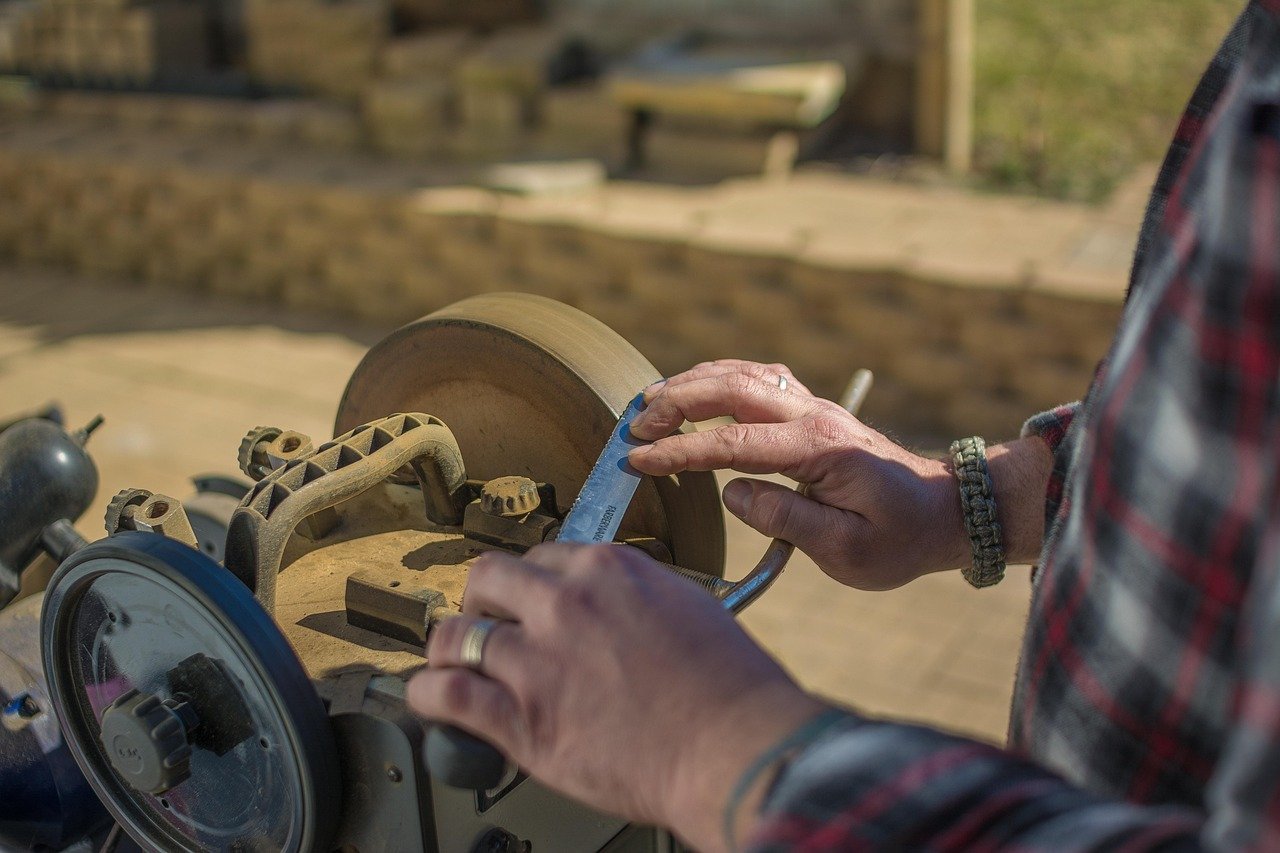
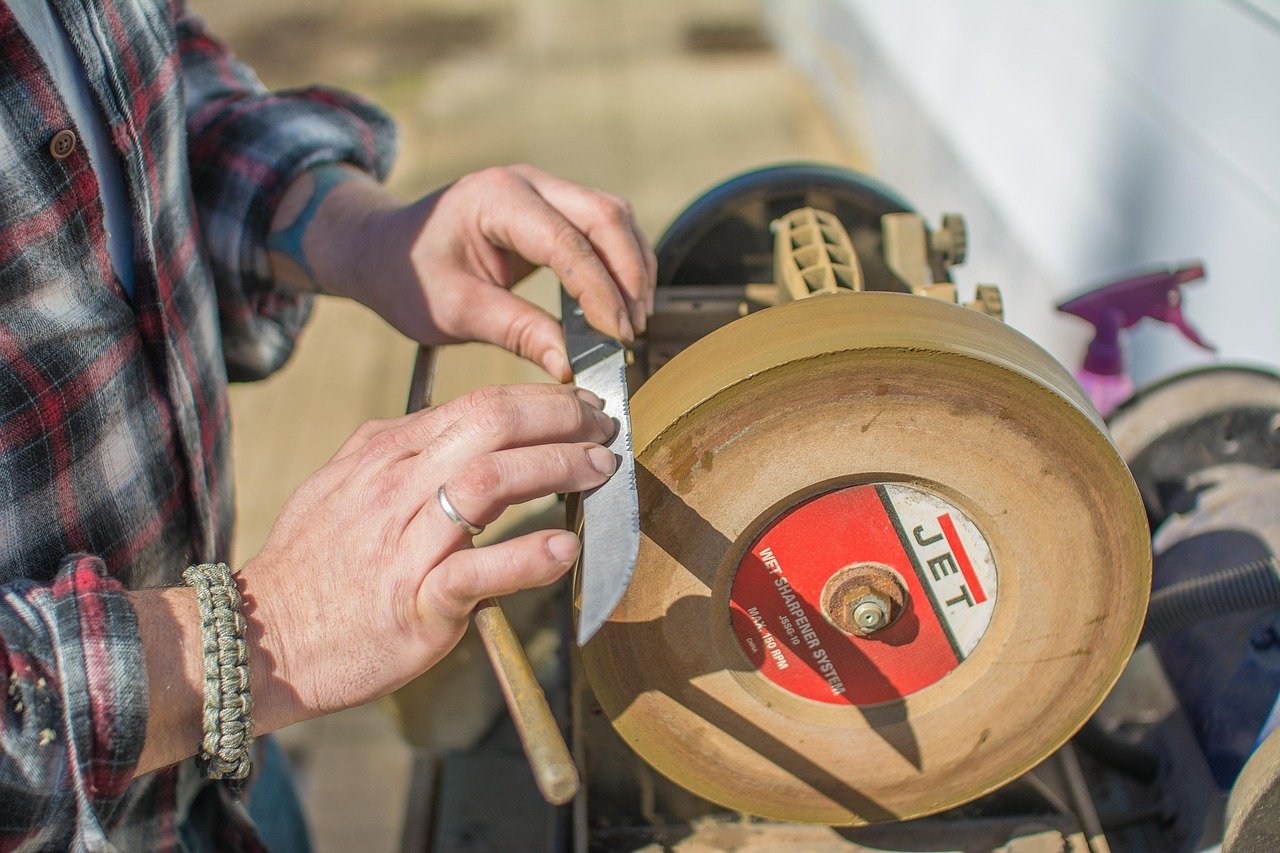
Before diving into the sharpening process, it’s crucial to understand what sharpening entails. Knife sharpening is the process of restoring the edge of a blade, ensuring it cuts effectively and safely. A sharp knife requires less force, reducing the risk of accidents while providing a cleaner cut. The two primary methods are manual (using sharpening stones or tools) and powered (using electric sharpeners). This guide will focus on manual sharpening techniques, using a whetstone, which is the favored method among professionals for its precision.
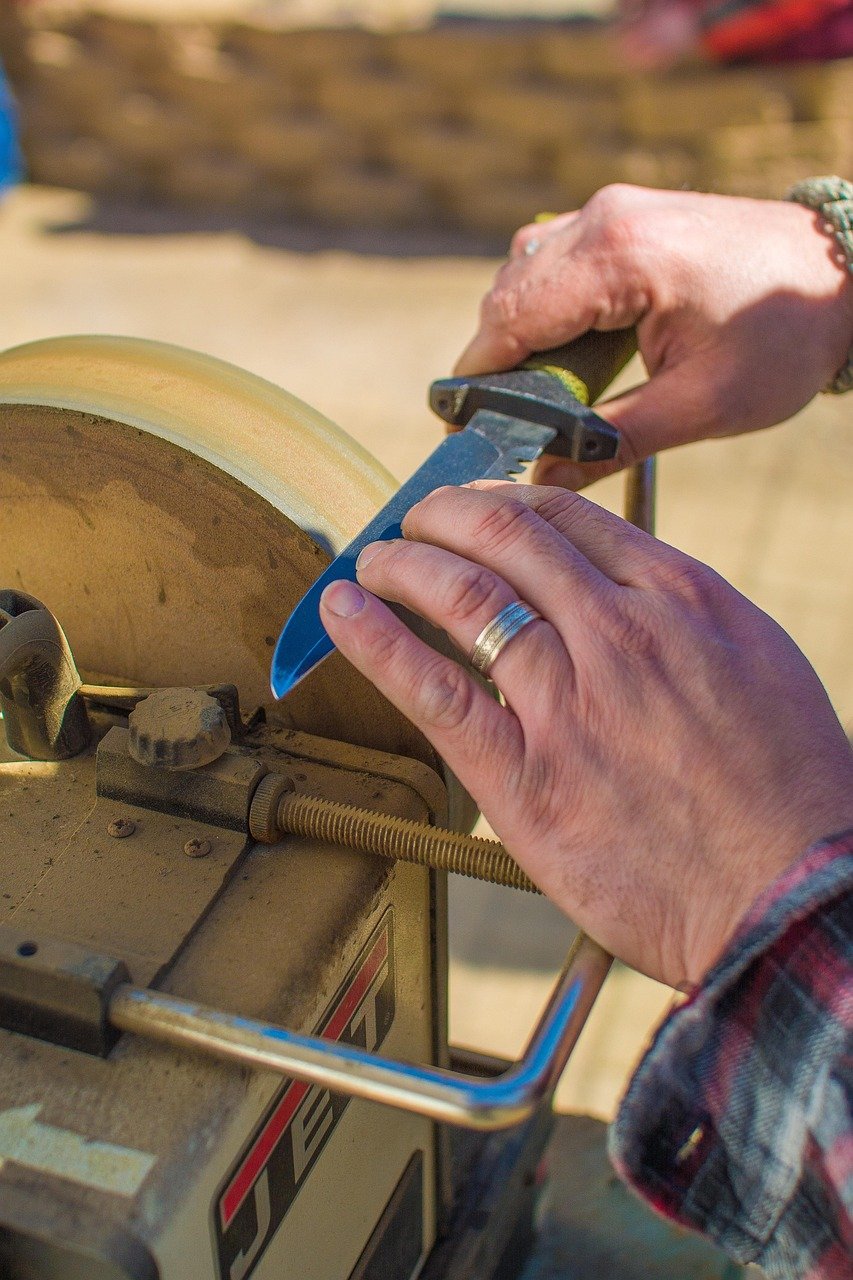
Tools Needed for Sharpening
Whetstone: A dual-sided whetstone with different grits (coarse and fine) is recommended. For general use, a grit of 1000 is ideal for honing, while 6000 is suitable for finishing.
Angle Guide: Helpful for maintaining a consistent angle while sharpening.
Water or Oil: Depending on the type of whetstone, either water or oil is necessary for lubrication during sharpening.
Cloth: For cleaning and drying your knife after sharpening.
Protective Gloves: Recommended for safety, especially when handling extremely sharp blades.
Step 1: Choosing the Right Angle
The angle at which you sharpen your knife is crucial. Most kitchen knives are sharpened at 15 to 20 degrees. A smaller angle creates a sharper edge, beneficial for precision tasks, while a larger angle offers durability for tougher tasks. If you’re uncertain, consult the knife manufacturer’s specifications or use an angle guide.
Step 2: Preparing Your Whetstone
Ensure your whetstone is clean. If it’s a water stone, soak it in water for about 10-15 minutes before use. If it’s an oil stone, apply a light layer of honing oil instead. This lubrication helps prevent dulling and ensures a smoother sharpening experience.
Step 3: Securing the Whetstone
Place the whetstone on a stable surface. You can secure it with a damp cloth or a non-slip mat to prevent it from moving during sharpening. Ensure the coarse (lower grit) side is readily accessible for the initial sharpening phase.
Step 4: Setting the Knife Position
Hold the knife with the edge facing away from you. Position the blade of the knife against the whetstone at the predetermined angle. If you’re using an angle guide, it will help maintain this angle accurately.
Step 5: Sharpening the Knife
Start sharpening by pushing the blade away from you, using long, even strokes along the stone. Begin at the heel and work your way to the tip of the blade. Repeat this motion about 5-10 times, applying light pressure.
For those new to sharpening, remember the following techniques:
- Consistency: Ensure that the pressure and angle remain consistent throughout the sharpening process. This will yield a more uniform edge.
- Focus on Both Sides: After completing a set of strokes on one side, flip the knife over and repeat the process on the opposite side. This ensures an even edge on both sides of the blade.
Step 6: Inspecting the Edge
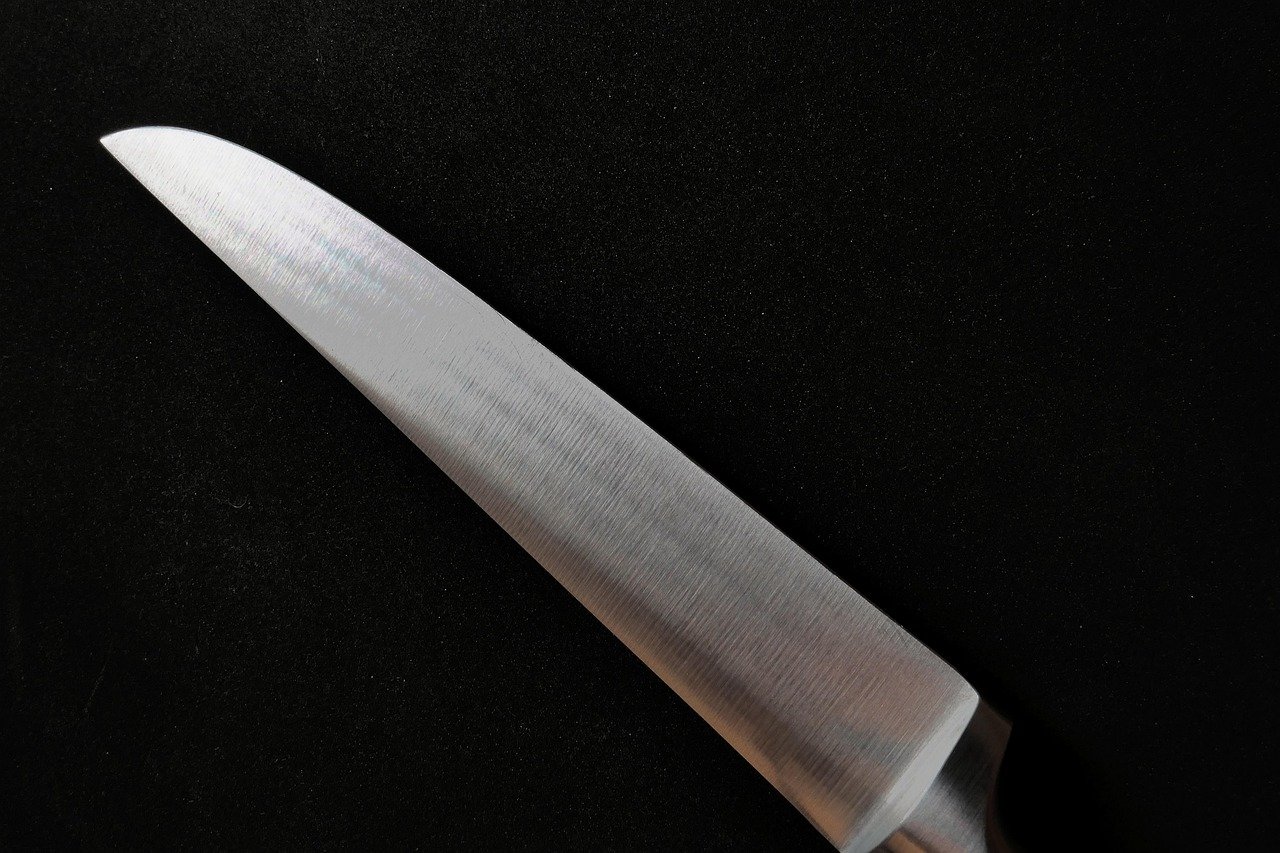
After sharpening both sides, check the knife’s edge. A sharp edge should catch light and appear smooth without nicks or chips. If necessary, repeat the sharpening process until you achieve the desired sharpness.
Step 7: Honing the Blade
Once the blade is sharpened, it’s time to hone it for a fine edge. Use the finer side of the whetstone. Repeat the same sharpening motions you used with the coarse side, but this time, with gentler pressure. About 5-10 strokes per side should suffice. Honing aligns the microscopic teeth of the blade’s edge, leading to improved cutting performance.
Step 8: Cleaning the Knife
Wipe the blade with a cloth to remove any metal filings or debris. This step is crucial to prevent corrosion and maintain blade quality. If you used oil during sharpening, ensure to clean the blade properly under warm water and dry immediately.
Step 9: Testing the Sharpness
To test if your knife is sharp enough, paper test or tomato test can work effectively. For the paper test, try slicing through a sheet of paper. A sharp knife should glide through with minimal effort. For the tomato test, try cutting through a fresh tomato. A properly sharpened knife will easily pierce the skin without excessive pressure.
Step 10: Regular Maintenance
Maintaining your knife between sharpening sessions will prolong its sharpness. Use a honing rod weekly to keep the blade aligned. Remember, knives do not need sharpening as frequently as one might think; regular honing keeps them in optimal condition.
Additional Tips for Pro-Level Sharpening
- Understand Blade Types: Different materials, such as stainless steel, ceramic, and carbon steel, require unique sharpening techniques and angles. Always tailor your approach based on the specific knife you are working on.
- Practice Patience and Precision: Sharpening takes practice. Focus on perfecting your technique instead of rushing through the process.
- Get Professional Help When Needed: If a blade is excessively dull or damaged, consider seeking professional sharpening services before attempting to fix it yourself.
Implementing these steps will not only enhance your knife skills but will also turn you into a confident home chef, enabling you to enjoy the arts of cooking even more. Properly maintained knives provide a safer, more enjoyable cooking experience, ensuring you can tackle any culinary challenge that comes your way.