


Step-by-Step Knife Sharpening Techniques for New Users
Understanding Knife Sharpness
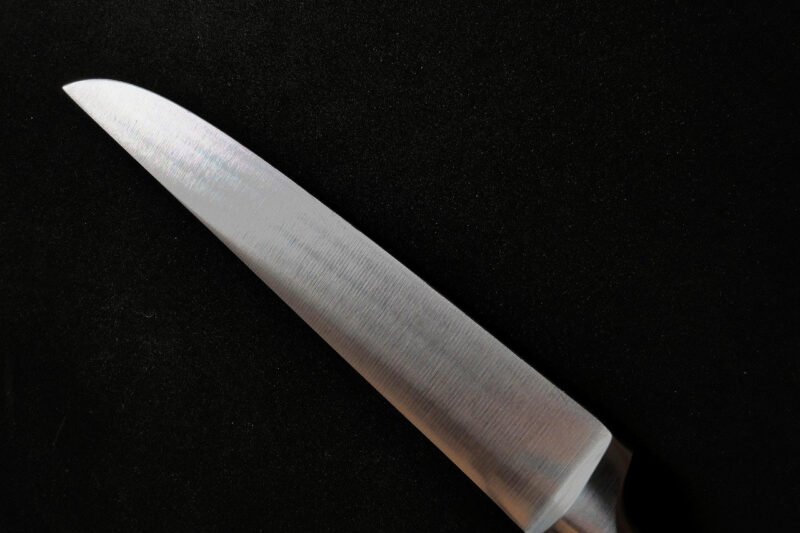
Before diving into sharpening techniques, it is essential to understand what makes a knife sharp. A sharp knife has a fine edge, allowing it to slice through materials with minimal resistance. Over time, blades dull due to regular use, but with proper sharpening techniques, they can be restored to their original state.
Types of Sharpening Tools
Choosing the right sharpening tool is crucial. Here are some popular options:
Sharpening Stones: These are flat stones made from various materials (diamond, ceramic, or water stones) and vary in grit. A lower grit number indicates a coarser surface, perfect for reshaping a dull edge.
Whetstones: A type of sharpening stone, these need water or oil lubrication for optimal use. They are usually double-sided, with different grit levels on each side.
Honing Rods: Although not for sharpening, honing rods help realign the edge of a knife. They should be used regularly to maintain sharpness between sharpening sessions.
Electric Sharpeners: These devices use abrasive materials and motors to sharpen knives quickly. While convenient, they can diminish blade quality if misused or if not designed for certain knife types.
Pull-Through Sharpeners: These are simple and user-friendly. They typically have two slots with different grits and are an excellent choice for beginners.
Preparations Before Sharpening
Safety First: Before handling any sharpening tools, ensure your workspace is safe. Remove any distractions and create a stable surface.
Clean Your Knife: Ensure your knife is free of dirt and grease. Wash it under warm, soapy water and dry it thoroughly. A clean knife allows for better sharpening.
Choose the Right Angle: Most kitchen knives are sharpened at an angle between 15 and 20 degrees. Japanese knives often require a 15-degree angle, while Western knives can be at 20 degrees or slightly more.
Determine the Sharpness: Assess your knife’s sharpness. A good test is to slice through a piece of paper; if it slips or tears easily, it’s time for sharpening.
Step-by-Step Knife Sharpening with a Whetstone
Soak the Whetstone: If you’re using a water stone, soak it in water for about 10-15 minutes before sharpening. This helps prevent the stone from becoming clogged with metal filings.
Prepare the Surface: Ensure the stone is placed on a stable, flat surface. If possible, use a non-slip mat under the stone to prevent movement.
Determine Both Sides: Identify which side has a lower grit for coarse sharpening and which has a higher grit for honing. Start with the coarse side if the knife is severely dull.
Angle the Knife: Hold the knife at the chosen angle (15-20 degrees). You can visualize this angle by placing the knife perpendicular to the stone and then slightly tilting it.
Sharpening Motion: Begin at the heel of the blade (the part closest to the handle) and push the knife across the stone toward the tip. Use a sweeping motion, applying gentle pressure. Repeat this process 6-8 times.
Flip and Repeat: After sharpening one side, flip the knife and perform the same action on the other side. Consistency in the angle is crucial for an even edge.
Progress to Fine Grit: Once both sides are sharpened on the coarse stone, flip to the finer side. Repeat the previous steps, but with lighter pressure to refine the edge.
Check the Sharpness: Test the knife’s sharpness again using the paper test. If it doesn’t slice effortlessly, repeat the sharpening steps.
Clean the Blade: Rinse the knife under water to remove any metal particles and residue from the sharpening process. Dry it immediately to prevent rust.
Hone the Knife: Use a honing rod to realign the blade’s edge after sharpening. Hold the rod vertically and lightly swipe the knife down at a 20-degree angle from the heel to the tip, alternating sides.
Step-by-Step Knife Sharpening with a Pull-Through Sharpener
Choose Your Sharpener: Verify that the pull-through sharpener is suited for your type of knife. Some are designed for kitchen knives while others might work for scissors or serrated blades.
Position the Sharpener: Place the sharpener on a stable surface. Make sure it’s secure and won’t slip during the sharpening process.
Insert the Knife: Start with the dullest side of the blade. Insert the knife into the sharpening slot, ensuring it is positioned correctly for optimal contact.
Pull Through: With consistent, gentle pressure, pull the knife through the sharpener from the heel to the tip. Avoid applying too much force. Repeat this step 3-5 times.
Flip and Repeat: Turn the knife over and repeat the pulling action on the other side of the blade.
Check Sharpness: Similar to earlier methods, perform the paper slice test to check sharpness. If needed, repeat the process until satisfied.
Clean the Knife: Rinse and dry the knife to ensure it is free from residue.
Maintenance and Care of Sharp Knives
Once your knife is sharpened, keeping it in good condition is vital. Here are a few maintenance tips:
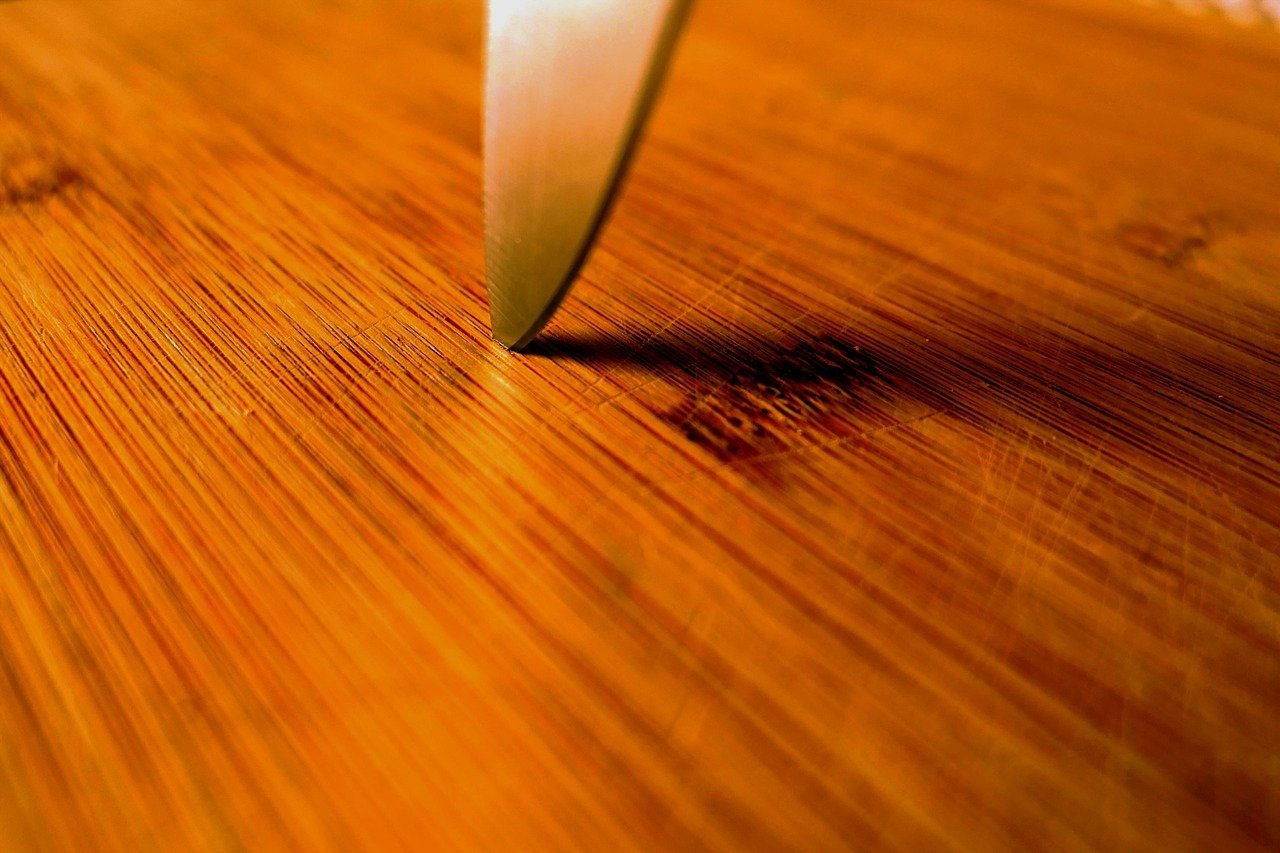
Use Cutting Boards: Avoid cutting on hard surfaces like glass or stone, as they can dull the blade quickly. Opt for bamboo or plastic cutting boards instead.
Store Properly: Invest in a knife block or magnetic strip to prevent blade damage during storage.
Regular Honing: Use a honing rod regularly to keep your knife aligned, ensuring it maintains sharpness longer.
Avoid Dishwashers: Always hand wash your knives and dry them immediately. Dishwashing can dull the blade and cause rusting due to prolonged exposure to moisture.
Frequent Sharpening Schedule: Depending on usage, sharpen your knives every few months or as needed. Regular upkeep is preferable to waiting until the edge is completely dull.
By following these techniques and maintenance tips, even new users can effectively sharpen their knives and ensure they maintain their edge for a longer duration. Regular practice will develop skills and make the process an integral part of your culinary routine.