


The Art of Crafting German Kitchen Knives: A Tradition of Precision and Quality
The History of German Knife Making
German knife making dates back to the Middle Ages, with origins in regions known for their exceptional metalworking skills, such as Solingen. Known as the “City of Blades,” Solingen has been a hub for producing high-quality knives for centuries. Artisans utilized local resources and expert forging techniques to create blades that are celebrated worldwide. The traditional craftsmanship involves handcrafted designs, where each knife is a testament to the skill and dedication of its maker, combining functionality with art.
Materials Used in German Kitchen Knives
German kitchen knives are renowned for their durable materials. The blades are usually made from high-carbon stainless steel, a material prized for its hardness, corrosion resistance, and ease of sharpening. High-carbon stainless steel combines the best properties of carbon steel—superior edge retention—with the rust resistance of stainless steel.
Blade Composition: A typical German kitchen knife features a blend of 0.5% to 1% carbon for strength and resistance to wear. The best brands may use a specific type of steel alloy that includes chromium for rust prevention and vanadium or molybdenum for increased toughness.
Handle Materials: The handle material significantly affects the knife’s balance and comfort. Traditional handles are often made from durable materials like wood (such as Pakkawood for its moisture resistance), synthetic materials like Micarta, or high-density plastics. Each material has a unique feel, contributing to the overall user experience.
Hardened Blades: The blade hardness is measured using the Rockwell scale (HRC). High-quality German kitchen knives typically fall within the 56 HRC to 60 HRC range, offering an excellent balance of sharpness and durability.
Forging Techniques
The forging process for German kitchen knives is complex and labor-intensive. Skilled craftsmen employ various methods to produce knives that are not only aesthetically pleasing but also high-performing tools.
Forged vs. Stamped Knives: German kitchen knives are predominantly forged, meaning the blade is crafted from a single piece of steel that is heated and shaped through hammering. This method creates a stronger bond within the steel’s molecular structure, resulting in better durability. In contrast, stamped knives are cut from sheets of steel, which may compromise edge retention and strength.
Heat Treatment: After forging, heat treatment is critical. The blades are heated to a high temperature and then cooled rapidly in a quenching process, which enhances hardness. This step is followed by tempering, where the blade is reheated to relieve internal stresses and improve toughness.
Grinding and Polishing: The next step in crafting a German kitchen knife involves precise grinding to achieve a sharp edge. This process often incorporates multiple steps using increasingly fine abrasives. Finally, polishing not only improves aesthetic appeal but also enhances corrosion resistance.
Design and Functionality
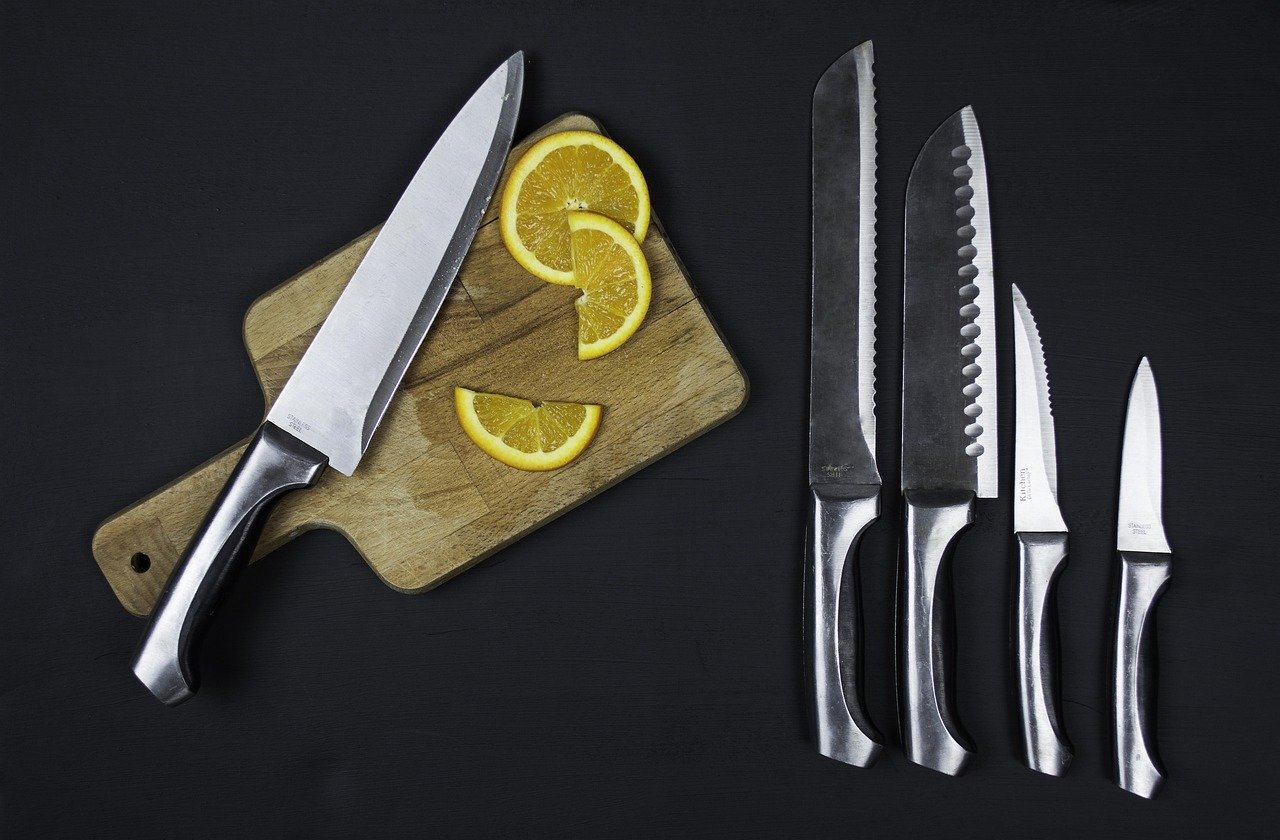
The design of German kitchen knives marries form with function. The ergonomic design aims to reduce strain on the hand, making them comfortable for prolonged use.
Blade Geometry: The curvature of the blade, known as the “belly,” is essential for effective rocking motions during cutting. German knives typically feature a wider blade profile, catering to a variety of cutting techniques, including slicing, dicing, and chopping.
Tang Construction: A full tang blade, where the steel extends through the entire handle, offers better balance and weight distribution, crucial for precision cutting. The tang construction also guarantees durability, as it minimizes breakage risks.
Bolster Design: The bolster is the section of the knife between the blade and the handle, providing weight, balance, and safety as it prevents fingers from slipping onto the blade’s edge. The presence and design of the bolster can signify quality, with more premium models featuring seamless, integratively forged bolsters.
Maintenance of German Kitchen Knives
Proper care is essential to maintain the quality and longevity of German kitchen knives.
Knife Sharpening: Regular honing is crucial to keeping the blade sharp. A honing steel is typically employed, maintaining edge alignment without removing material. For more significant dullness, whetstones or professional sharpening services should be utilized to preserve the blade’s geometry.
Cleaning and Storage: German kitchen knives should be hand-washed with mild soap and water to prevent deterioration of the handle’s material and blade. Avoid soaking them or placing them in the dishwasher. Proper storage is equally important; using a knife block, magnetic strip, or protective sheaths can prevent damage to the edges.
Avoiding Corrosion: While high-carbon stainless steel offers resistance to rust, it may still corrode if not cared for correctly. Always dry knives thoroughly after washing and avoid cutting acidic foods directly on the blade.
The Future of German Knife Craftsmanship
Despite modern manufacturing trends, artisanal craftsmanship remains the cornerstone of German kitchen knife production. The blending of tradition with modern innovations, such as precision laser-cutting methods and advanced metallurgy, is shaping the future.
Sustainability Practices: Many manufacturers are now focusing on sustainable practices. This includes sourcing materials from responsible suppliers and minimizing waste during the production process.
Collaborations with Chefs: Collaborations between knife makers and renowned chefs have led to the creation of specialized knives, blending culinary insights with traditional techniques. These partnerships ensure that the knives meet the high standards required by professional chefs.
Global Influence: The reputation of German kitchen knives continues to attract international interest, leading to their incorporation into kitchens worldwide. Their timeless quality and performance have cemented their place as essential tools for both professional chefs and home cooks.
The Legacy of German Kitchen Knives
Investing in a high-quality German kitchen knife is more than acquiring a utensil; it symbolizes a connection to a rich heritage of craftsmanship and dedication. Each knife tells a story of precision, artistry, and a relentless commitment to quality. From their historical roots in Solingen to their modern-day iterations, German kitchen knives remain a staple in culinary arts. Their blend of tradition with contemporary design illustrates the timeless nature of craftsmanship in an ever-evolving world. Each knife not only fulfills a practical role but also embodies the spirit of culinary excellence that generations of artisans have upheld.