


The Art of Knife Sharpening: Techniques for Perfect Edges
Understanding Knife Anatomy
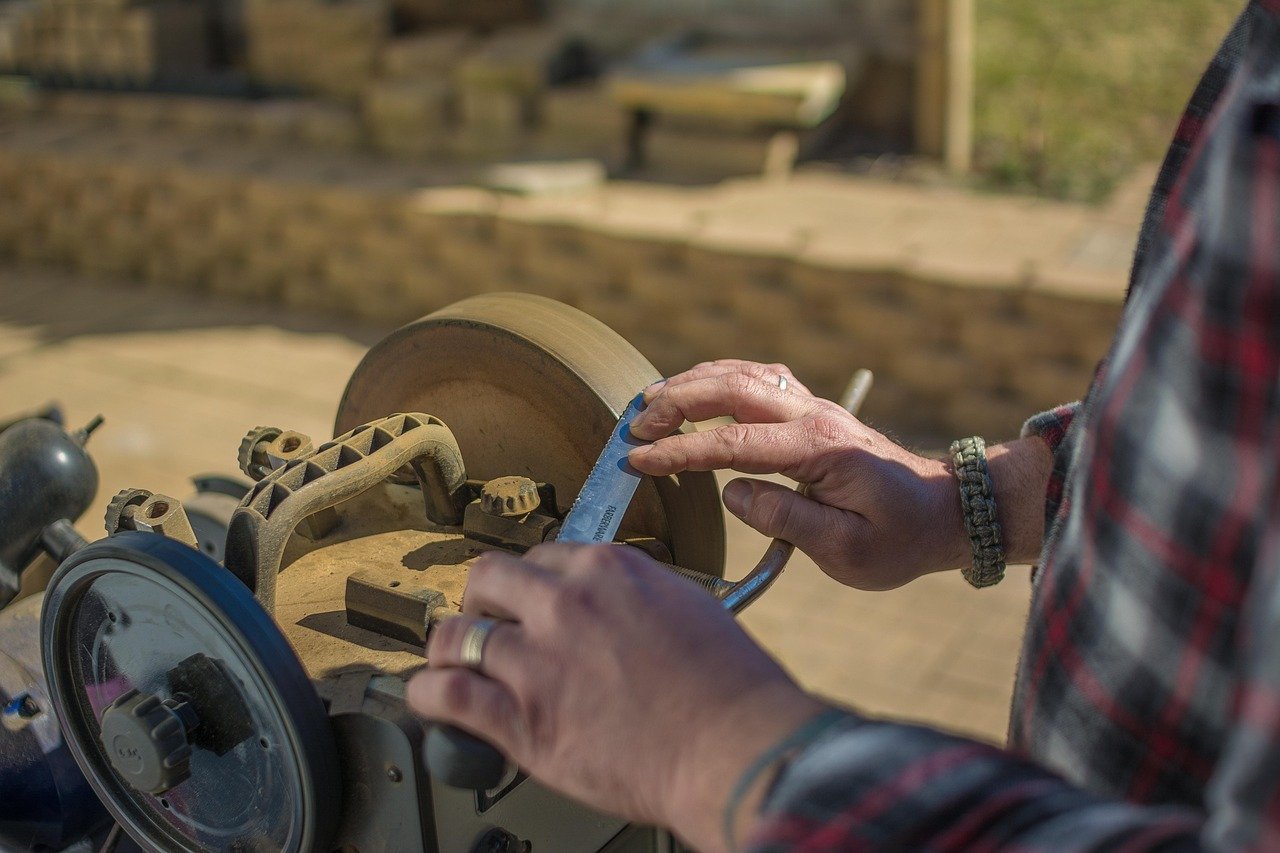
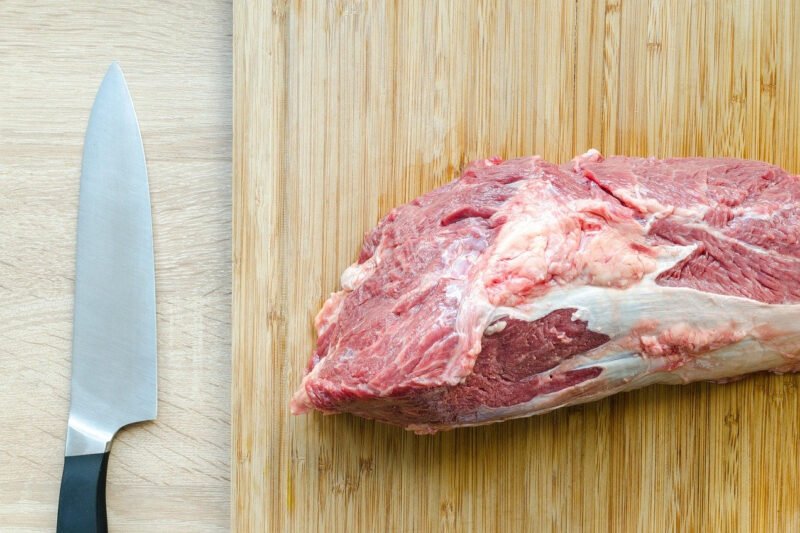
To master the art of knife sharpening, it’s vital to understand the components of a knife. Key parts include the blade, edge, tip, spine, heel, and bolster. The blade is the main part, while the edge is the sharpened part that performs cutting tasks. The tip, located at the end of the blade, is ideal for precision work, whereas the heel is more effective for slicing tasks. The spine is the top, unsharpened part of the blade, and the bolster connects the handle to the blade, providing balance and heft.
The Importance of a Sharp Knife
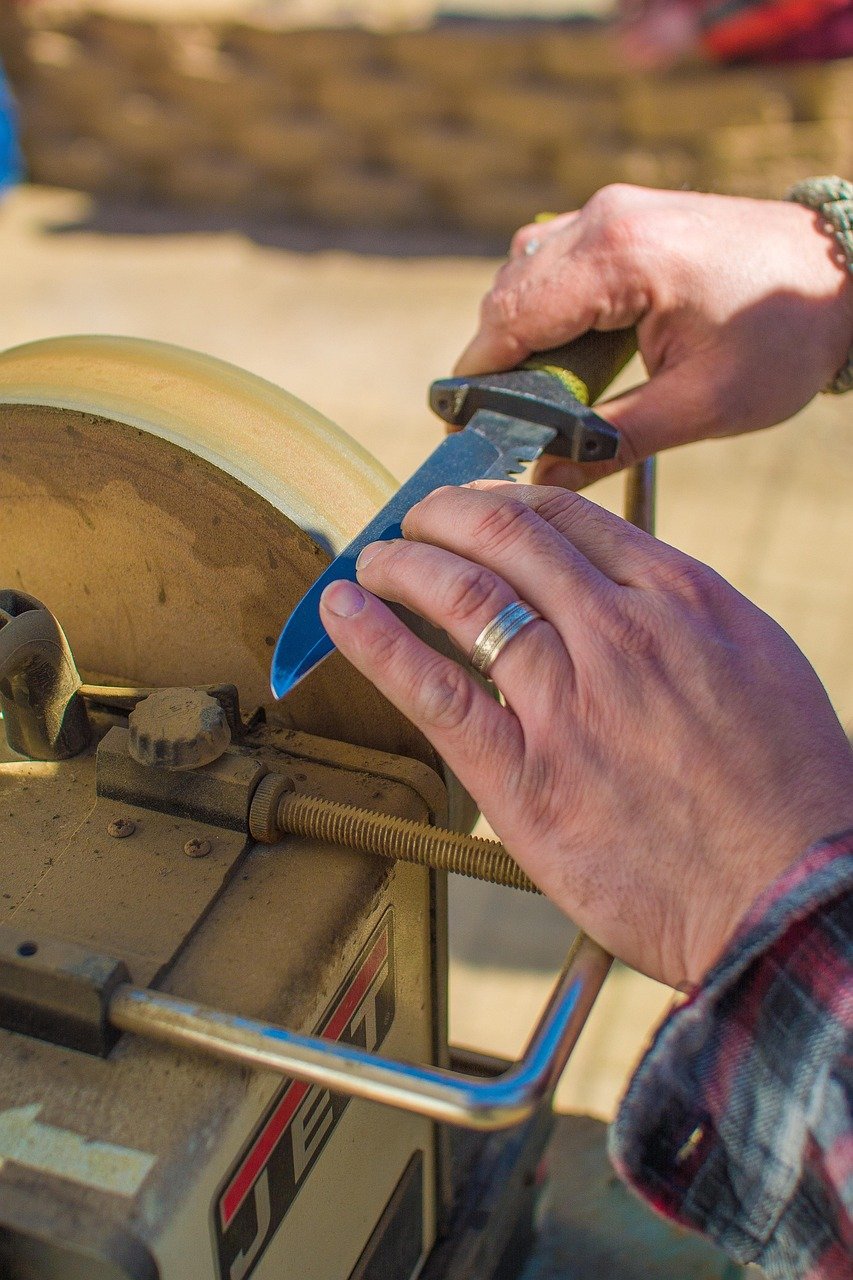
A sharp knife enhances safety, efficiency, and culinary enjoyment. Dull blades require more force, increasing the chances of accidents. Sharp knives allow for cleaner cuts, enabling better presentation and improved flavor extraction from ingredients. Additionally, they reduce wrist strain during prolonged use.
Types of Knives and Their Sharpening Needs
Different knives require tailored sharpening techniques. Chef’s knives, primarily for chopping, benefit from a 20-degree angle. Paring knives, which handle intricate tasks, often require a 15-degree angle. Serrated knives need specialized methods, as their unique edge design cannot be sharpened with standard whetstones or sharpening steels.
Sharpening Tools Overview
Whetstones: These are flat stones available in various grits. They require water or oil as a lubricant. A two-sided stone with a coarse side (around 200-600 grit) for major sharpening and a finer side (1000-4000 grit) for honing is ideal.
Sharpening Steels: Often found in kitchens, they hone knife edges after use. They are not intended for major sharpening but are excellent for maintaining a sharp edge.
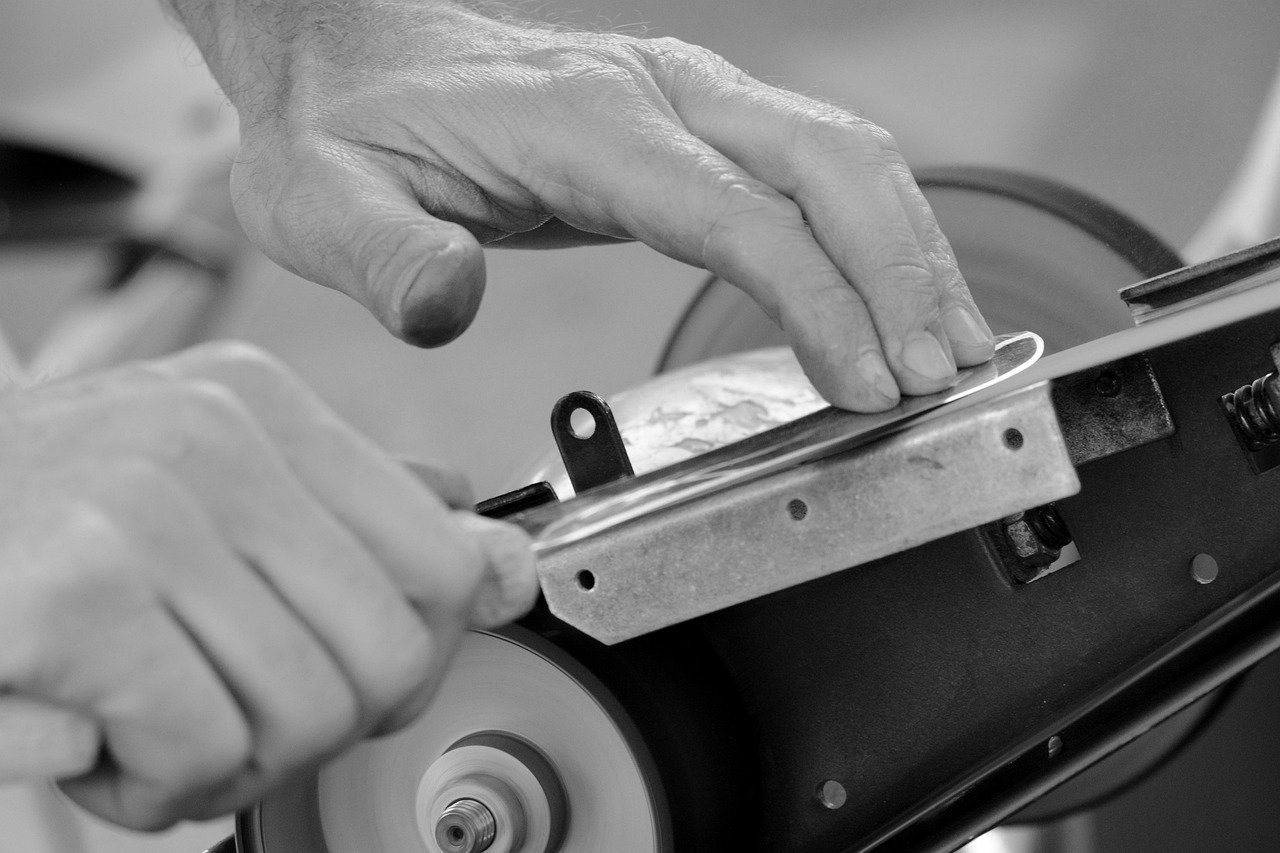
Electric Sharpeners: These devices offer convenience and speed. However, they can remove more metal than necessary and may not provide the fine control that hand sharpening does.
Honing Rods: Not used for sharpening, honing rods realign blade edges. Regular use is essential for maintaining a knife’s sharpness.
Pull-through Sharpeners: These are user-friendly but can be abrasive if misused, potentially damaging high-quality knives.
Sharpening Techniques
Using a Whetstone:
- Preparation: Soak the stone for 10-15 minutes if it requires water. Position the stone on a non-slip surface.
- Angle Maintenance: Hold the knife at the appropriate angle (15-20 degrees).
- Sharpening Process: Begin with the coarsest side. Using moderate pressure, slide the blade across the stone in a sweeping motion from heel to tip. Repeat this motion 5-10 times on each side.
- Finishing: Flip the stone to the finer side. Repeat the process to refine the edge.
Using a Sharpening Steel:
- Hold the steel vertically with the tip on a stable surface.
- Position the knife at a 20-degree angle.
- Sweep the blade down the rod, alternating sides. Ensure to maintain consistent pressure and angle.
Using Electric Sharpeners:
- Follow the manufacturer’s instructions. Generally, place the knife in the designated slot.
- Slowly pull the knife through the sharpener with minimal force, allowing the machine to do the work.
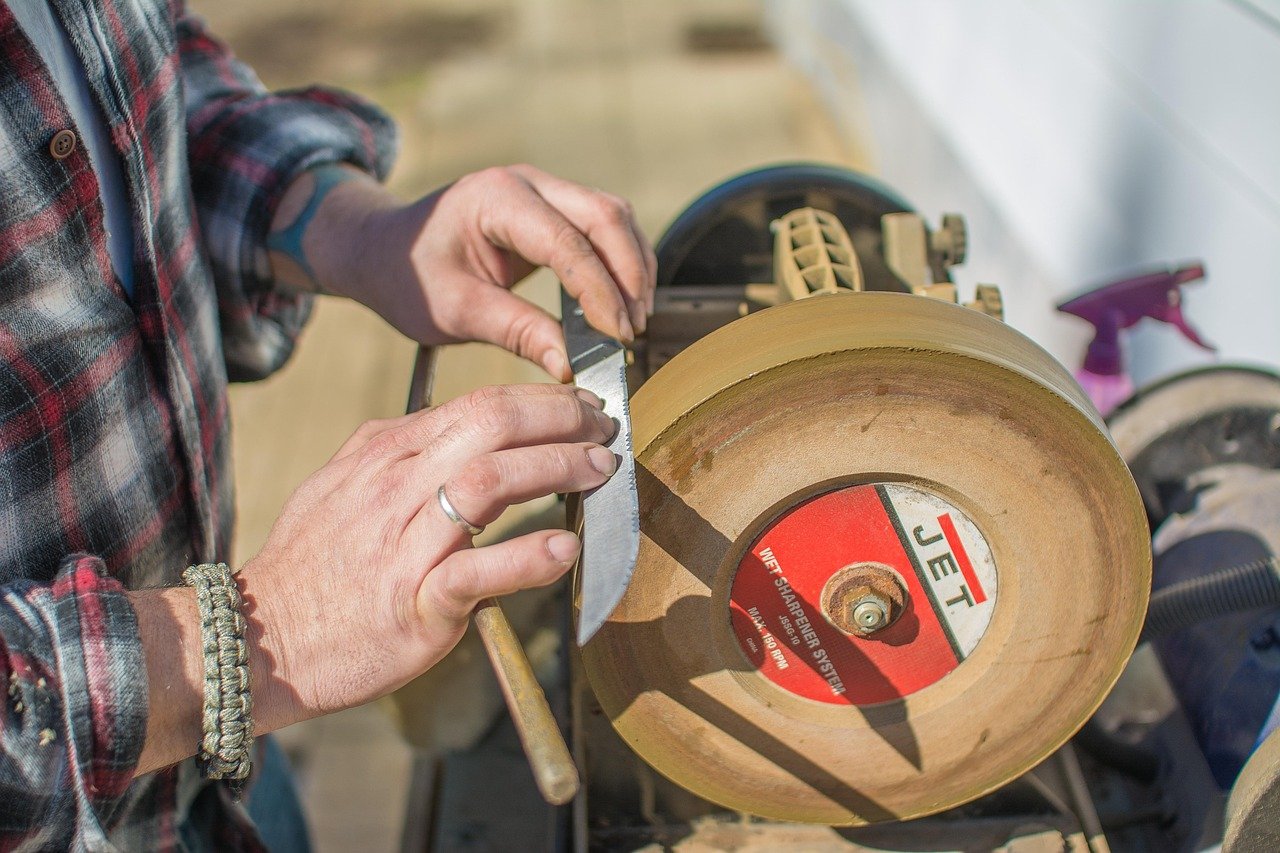
Serrated Knife Sharpening Techniques
Dowel Rod Method: A round ceramic or diamond-coated rod matches the serrations’ shape. Gently insert the rod into each serration and push forward. Avoid excessive force—gentle, controlled movements preserve the integrity of each serration.
Maintaining a Sharp Edge
Regular maintenance prolongs blade life. Always clean knives after use—wash and dry them immediately to prevent rust. Storing knives properly is also crucial. Use a magnetic strip, knife block, or sheaths to avoid dulling edges in drawers.
Common Mistakes in Knife Sharpening
Incorrect Angle: Maintaining the precise angle is essential for efficient sharpening. A steeper or shallower angle results in an uneven edge.
Overuse of Tools: Relying solely on electric sharpeners can lead to over-sharpening, which can ruin high-quality knives.
Neglecting to Sharpen Regularly: Waiting too long between sharpening sessions can damage knives. Regular honing or sharpening maintains edges.
Improper Lubrication: Not using water or oil on whetstones can lead to clogging and ineffective sharpening.
Safety Tips for Knife Sharpening
- Stable Surface: Use a non-slip surface to prevent the stone from moving.
- Protective Gear: Consider wearing cut-resistant gloves for added protection, particularly if you’re inexperienced.
- Awareness: Remain vigilant of your hand’s position and minimize distractions during the process.
Conclusion of Techniques
Perfecting the art of knife sharpening requires practice and patience. A well-honed edge transforms your cooking experience, allowing for effortless cuts and enhancing the flavors of your dishes. Embrace these techniques, and you’ll find that the effort invested in maintaining your knives pays off in safety, efficiency, and satisfaction in the kitchen.
Additional Resources
- Books: Look for culinary books that focus on knife skills, providing additional tips and detailed techniques.
- Online Tutorials: Many chefs share their sharpening methods through video platforms, offering visual guidance for effective sharpening.
- Workshops: Participating in knife skills workshops can provide hands-on experience, allowing you to learn from experts in the field.
Regular Assessment
Once you master sharpening techniques, regularly assess your knives’ performance. A quick cut test on paper or vegetables can gauge sharpness and indicate when your blade requires further sharpening or honing. Embrace the journey of knife sharpening as part of your culinary expertise.