


Understanding the Knife and Its Parts
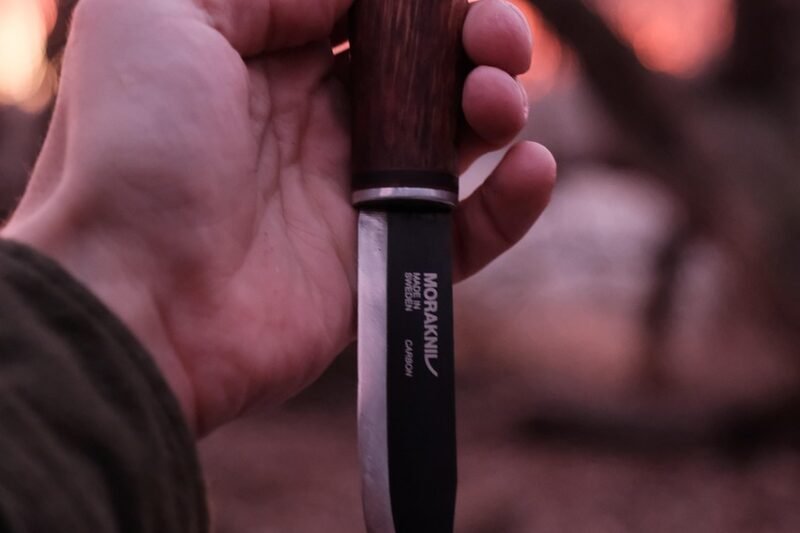
Before diving into throwing techniques, it’s essential to familiarize yourself with the throwing knife itself. The design and weight distribution of the knife play vital roles in its aerodynamics. A throwing knife typically consists of three main parts:
Blade: This part, often made from stainless steel or carbon steel, is the sharpened portion that will connect with the target. The blade‘s weight and length impact how the knife rotates in the air.
Handle: The handle can be wrapped with paracord or left bare for grip. The material affects how well you can control the knife, so finding one that suits your hand is essential.
Point: This is the tip of the knife that strikes the target. A sharp point is crucial for a successful throw, as it greatly enhances penetration.
Selecting the Right Knife
Choosing the correct knife is fundamental for beginners. Here are key considerations:
Weight: Lightweight knives, around 10-12 ounces, are easier to throw but may lack stability. Beginners should experiment to find what suits them.
Length: A length of 10 to 12 inches is generally ideal for beginners. Too long may lead to inaccurate throws, while too short might not achieve the necessary rotation.
Balance: A well-balanced knife facilitates a more predictable flight path. Balance affects how the knife spins, influencing accuracy.
Grip Techniques
The grip is an essential aspect of knife-throwing technique. Here are various grips to practice:
Pinch Grip: Pinch the knife between your thumb and index finger, keeping the handle resting against your palm. This grip offers control and precision.
Hammer Grip: Similar to how one would hold a hammer, this grip involves wrapping your fingers around the handle. It provides more force but less control compared to the pinch grip.
Middle Finger Grip: Place your middle finger along the spine of the knife, with your index and ring finger grasping the handle. This grip fosters stability for long-range throws.
Backhand Grip: Primarily used for specific throws, this grip involves holding the knife upside down. It allows for varied throws but requires practice to master.
Experiment with these grips to find one that feels comfortable. Consistency in grip will contribute to accuracy over time.
Stance and Posture
Your stance is just as important as your grip when it comes to throwing a knife. Follow these points for optimal posture:
Feet Position: Stand with your feet shoulder-width apart. Position the foot opposite your throwing hand slightly forward. This stance provides balance and stability.
Body Alignment: Align your shoulders with the target. This setup helps ensure that when you throw, your body follows through toward the target, enhancing accuracy.
Knees: Keep your knees slightly bent. This positioning allows for better weight transfer during the throw.
Arms: Keep your throwing arm relaxed. Tension can affect the throw’s smoothness.
Eyes on the Target: Develop the habit of focusing on the target, not the knife. This concentration aids aim and increases accuracy.
Throwing Techniques
Mastering the throw is central to knife throwing. Here are a few fundamental techniques for beginners:
Overhand Throw:
- Hold the knife with your chosen grip.
- Pull the knife back to your shoulder.
- Align the blade‘s trajectory with the target and release at shoulder height.
- Follow through to maintain momentum.
Underhand Throw:
- Use a similar grip and stance.
- Bend your knees slightly and aim the knife upwards.
- Release when your arm is fully extended, allowing for a higher trajectory.
Sidearm Throw:
- Stand perpendicular to the target.
- With your arm parallel to the ground, release the knife while aiming from the side.
- This technique can help in managing distances.
Spinning vs. Non-Spinning:
- The spinning technique requires learning to adjust your distance to achieve the right number of rotations. Start at around 10-15 feet from the target.
- The non-spinning technique, or “stick” throwing, means releasing the knife without spin, aiming at the center of the target.
Practicing Consistency
Consistency is key to improvement in knife throwing. Establish a practice routine that enhances your skills:
Mark Your Spot: Always throw from the same distance and mark your position. This helps in calibrating your throws as you progress.
Repetition: Hone your skills through repetition. Repeatedly practicing the same throw will ingrained muscle memory.
Record Your Throws: Keeping track of successful hits and areas of improvement will provide valuable insights. Using a notebook or video recordings can help in this regard.
Slow Practice: Begin throwing slowly to understand the dynamics of how the knife behaves. Gradually increase speed without sacrificing form.
Safety Considerations
Safety is paramount when throwing knives. Always take the following precautions:
Designate a Safe Zone: Ensure your practice area is away from people, animals, and delicate objects. A large, open space is ideal.
Use the Right Target: Invest in a proper knife-throwing target, such as a thick piece of wood or a specialized target. Avoid using soft targets, as they do not provide adequate feedback.
Protective Gear: Consider wearing closed shoes and protective eyewear, especially in crowded environments or if you’re throwing indoors.
No Distractions: Practice in a quiet location. Distracting conversations can lead to accidents.
Analyzing Your Throws
Post-practice analysis can facilitate improvement. After each session:
Review Performance: Assess your throws by studying which methods work and which don’t. This reflective practice will help you refine your techniques.
Gather Feedback: If possible, throw with a partner who can provide constructive feedback on your technique from an external viewpoint.
Adjust Techniques: Be open to adjusting your grip, stance, or throwing method based on what you learn in each session.
Building Mental Focus
Mental discipline is crucial in progressing in knife throwing:
Visualization: Visualize successful throws before physically attempting them. Envisioning success can prime your body and mind for accurate throws.
Calmness and Patience: Maintain a calm demeanor. A rushed throw often leads to mistakes; patience can improve your technique over time.
Breathing Techniques: Employ deep-breathing techniques to manage tension before you throw. Establishing a routine can enhance concentration.
Community and Resources
Engage with the knife-throwing community to enhance your learning experience. Check out:
Online Forums: Participating in online communities dedicated to knife throwing can provide valuable tips, tricks, and troubleshooting methods.
Local Classes or Workshops: Look for local workshops or classes where experienced instructors can provide tailored guidance.
YouTube Tutorials: Numerous tutorials can be found online, offering insights on specific techniques and drills.
Books and Guides: Invest in literature focused on knife throwing to broaden your understanding and skillset.
Maintaining Your Knife
Proper maintenance of your knife will ensure longevity and optimal performance:
Sharpening: Regularly sharpen your knife using appropriate tools. A sharp blade improves penetration and accuracy.
Cleaning: Clean your knife after each use to prevent rust and corrosion. A simple wipe down will preserve its quality.
Storage: Store your knife in a dry place. Avoid leaving it in damp environments, which can lead to rust.
Establishing a proficient understanding of knife throwing techniques can be a rewarding endeavor. By focusing on grip, stance, throwing methods, and consistent practice, beginners can cultivate their skills in knife throwing, ensuring safety, improving accuracy, and fostering a deeper appreciation for this unique art form.