


The Best Tools for Sharpening Dull Knives
When confronted with a set of dull kitchen knives, many cooks may feel frustration creeping in. A sharp knife not only enhances cooking efficiency but also ensures safety by allowing for better control and precision while cutting. Thankfully, several effective tools can restore that razor-sharp edge to your favorite blades.
1. Whetstones
Whetstones, or sharpening stones, are a traditional favorite among chefs and knife enthusiasts. They come in various grits, making them versatile for different sharpening needs.
Types of Whetstones
- Oil Stones: These require lubricant (usually oil) to keep the sharpening process smooth. They’re effective but can be messier to use.
- Water Stones: These are soaked in water before use and provide faster sharpening than oil stones. They can wear quicker but are generally easier to maintain.
- Diamond Stones: Constructed with a steel base and embedded diamond particles, these stones are particularly long-lasting and effective for harder blades.
Usage Tips
- Start with a coarse grit (around 200-600) to reshape the edge if it is severely dull.
- Step up to a finer grit (1000-3000) for polishing the edge and achieving a superior finish.
- Maintain a consistent angle—typically around 15 to 20 degrees—for an optimal sharpening angle.
2. Honing Rods
Though often mistaken for sharpening tools, honing rods are actually meant for maintenance. They realign the edge of a blade rather than sharpen it.
Benefits of Honing Rods
- Ease of Use: Simply hold the knife at the right angle and draw it along the rod, which can often be done quickly and safely.
- Regular Maintenance: Using a honing rod regularly extends the life of your knife edges, reducing the need for frequent sharpening.
Types of Honing Rods
- Ceramic Rods: These are effective for everyday maintenance and offer a fine honing surface.
- Steel Rods: Traditional steel honing rods are durable, making them a staple in many kitchens.
3. Electric Knife Sharpeners
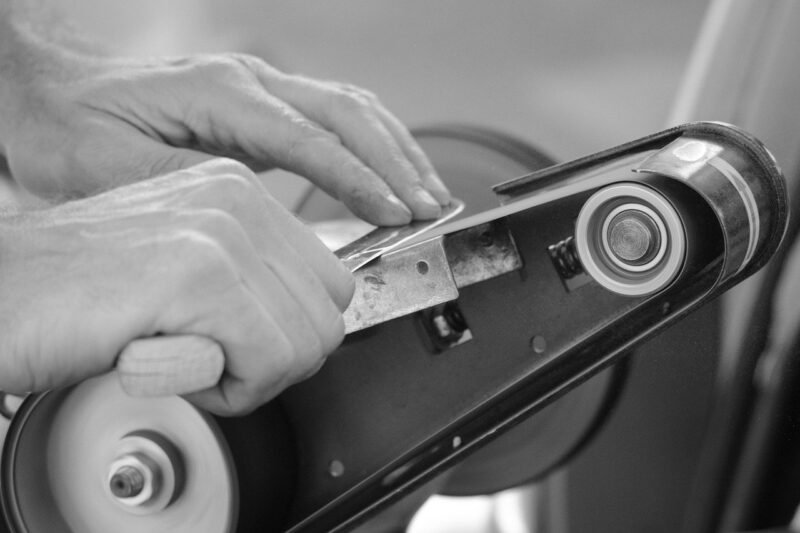
For those who prefer a faster, more automated approach, electric knife sharpeners have gained popularity. They offer convenience for both novice and experienced cooks.
Features to Consider
- Multiple Sharpening Stages: Many electric sharpeners provide multiple angles and grit levels, allowing users to create a custom sharpening experience.
- Safety: They often have built-in guides to ensure consistent angles, which can help prevent accidental injuries.
Recommendations
- Chef’s Choice 4643: Known for its three-stage sharpening process, this model accommodates various blade types and provides excellent results.
- Presto 08800: This affordable option is ideal for home cooks, offering quick sharpening and easy maintenance.
4. Handheld Sharpeners
Handheld sharpeners combine convenience and portability, making them ideal for home cooks with limited space.
Types of Handheld Sharpeners
- Pull-Through Sharpeners: These consist of a slot for the blade to be pulled through, usually with carbide and ceramic elements for sharpening and honing, respectively.
- Pocket or Folding Sharpeners: Compact and portable, these sharpeners are perfect for camping and outdoor cooking.
Popular Options
- AccuSharp 001: This pull-through model is easy to use, affordable, and works well for both straight and serrated blades.
- Smith’s Pocket Pal: This portable option fits easily into a pocket or backpack and features both a knife sharpener and multi-tool.
5. Sharpening Jigs and Guides
For enthusiasts who want precision sharpening, using a jig or guide can provide consistency and accuracy.
How They Work
- A sharpening jig holds the knife at a consistent angle and allows you to move the blade across the whetstone or another sharpening surface.
- Guides can also be attached to honing rods or handheld sharpeners for added control.
Recommended Products
- Edge Pro Apex: This premium sharpening system allows for significant control over the blade angle and offers a variety of stone grits.
- DMT Aligner: A more affordable option, this guide works well with diamond stones to ensure even sharpening.
6. Professional Services
For those hesitant to sharpen their own knives, professional sharpening services can provide expert care without the risk of damaging a quality blade.
What to Expect
- Expert Techniques: Professional sharpeners often use techniques such as hollow grinding or convex edges, which require specialized skills and knowledge.
- Reprofiling: If your knife has a chip or has been damaged, professionals can often restore its shape.
Finding a Professional
- Many culinary stores or specialty knife shops offer sharpening services. Look for customer reviews and recommendations to find reputable services in your area.
7. Related Accessories
In addition to sharpening tools, several accessories can enhance the maintenance and longevity of your knives:
- Knife Storage: Proper storage, such as knife blocks or magnetic strips, helps prevent dulling by keeping blades protected.
- Cleaning Brushes: Maintaining cleanliness is important; using a soft brush to remove debris after each use can prolong sharpness.
- Protective Sheaths: These are particularly useful for knife sets to prevent damage to edges when stored.
8. Safety Tips While Sharpening
Knife sharpening can pose risks, especially for those inexperienced in the practice. Here are essential safety tips:
- Stabilize the Sharpening Surface: Ensure that your whetstone or sharpening device is secure to prevent slips.
- Wear Cut-Resistant Glove: Protect your hands while using handheld sharpeners or when holding the knife.
- Keep Your Focus: Sharpening requires attention; distractions can lead to accidents.
Final Considerations
In choosing the best tools for sharpening dull knives, consider your personal cooking habits and comfort level with the tools. Whether opting for traditional whetstones for hands-on sharpening or electric options for quick results, maintaining your knife’s edge is essential for a safe and efficient kitchen experience. Whether you’re a professional chef or a home cooking enthusiast, the right tools will elevate your culinary endeavors and improve your kitchen safety. Happy sharpening!