


Understanding Knife Sharpening
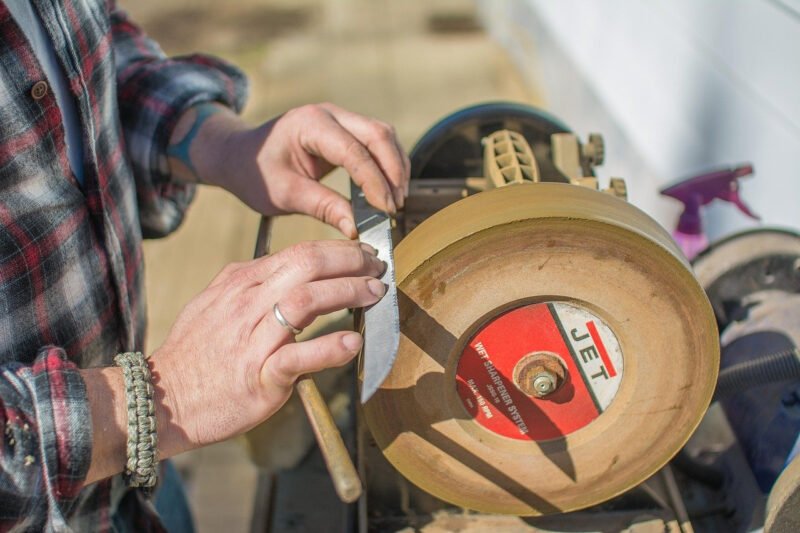
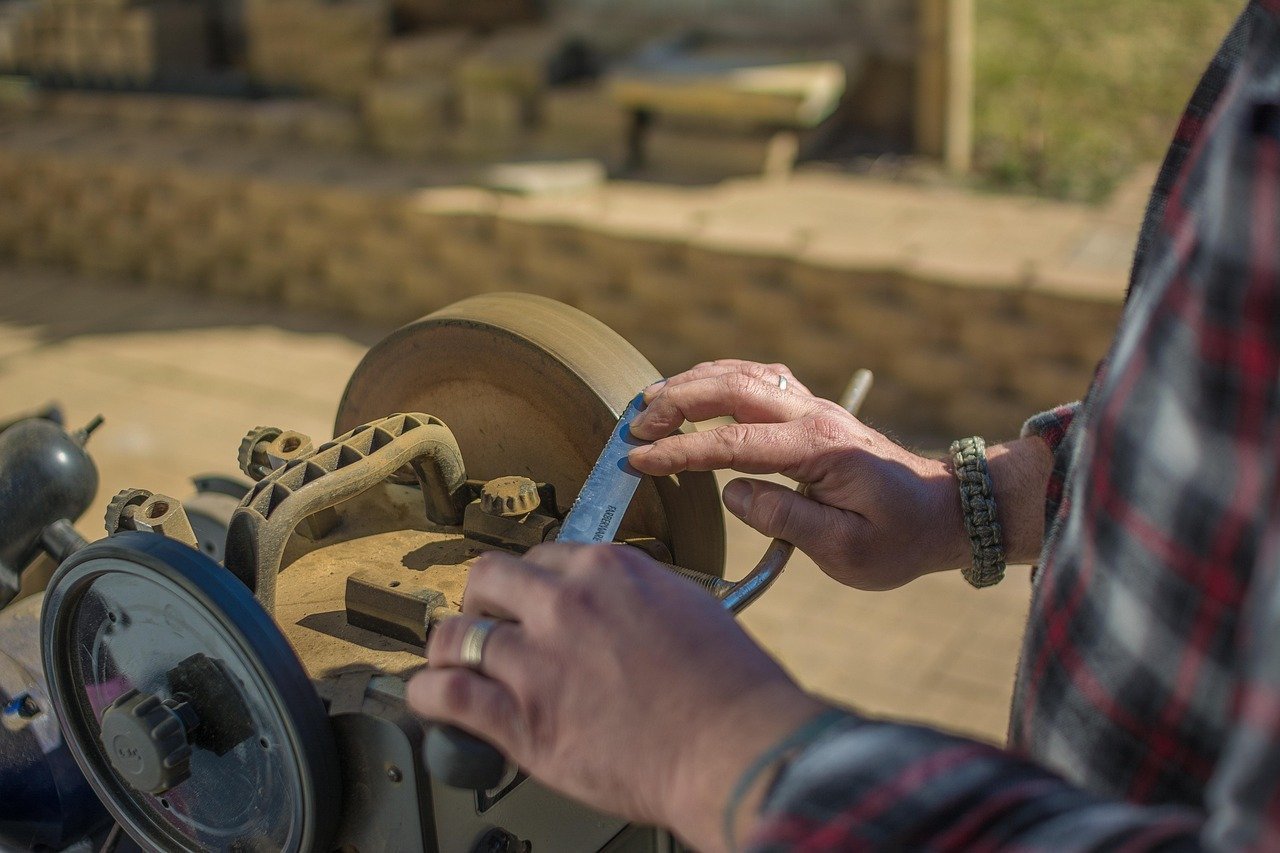
Knife sharpening is an essential skill for any cook or kitchen enthusiast. A sharp knife enhances efficiency, improves safety, and elevates the cooking experience. However, selecting the right sharpening tool can be overwhelming due to the variety of options available. This article reviews the best tools for sharpening knives, analyzing their features, advantages, and ideal uses.
Honing Rods
1. Ceramic Honing Rods
Ceramic honing rods are a popular choice among professional chefs and home cooks alike. They are designed to realign the edge of your blade without removing significant material. Their fine grit is ideal for polishing the knife edge.
Pros:
- Maintains the knife’s edge between sharpenings.
- Durable and long-lasting.
Cons:
- Ineffective for very dull knives.
Recommended Product: Smith’s Ceramic Rod
This highly rated honing rod comes in various lengths and offers an ergonomic handle for ease of use. Its fine ceramic surface is perfect for maintaining a razor-sharp edge.
2. Steel Honing Rods
Traditional steel honing rods are prevalent in many kitchens. Their purpose is to realign the knife edge, correcting minor nicks or bends caused by regular usage.
Pros:
- Affordable and widely available.
- Effective for everyday maintenance.
Cons:
- Can lead to micro-damage if used incorrectly.
Recommended Product: Wüsthof Classic Honing Steel
This honing steel boasts a 10-inch length and is crafted from high-quality steel. Its textured surface is effective for honing a variety of blade types, ensuring they are always ready for use.
Manual Sharpeners
3. Whetstones (Sharpening Stones)
Whetstones are revered for their efficacy and versatility, available in various grits to accommodate different sharpening needs. They require skill and experience but provide excellent results.
Pros:
- Highly customizable based on grit preference.
- Long-lasting with proper care.
Cons:
- Requires technique and practice.
- Time-consuming compared to other methods.
Recommended Product: King 1000/6000 Combination Whetstone
This double-sided whetstone is perfect for beginners and experts alike. The 1000-grit side is ideal for shaping edges, while the 6000-grit side polishes them to razor sharpness.
4. Manual Knife Sharpeners
Manual knife sharpeners offer convenience and consistency. They often feature designated slots with specific abrasives, making them user-friendly.
Pros:
- Affordable and easy to use.
- Great for quick touch-ups.
Cons:
- Limited versatility in grit choice.
Recommended Product: Presto 08800 EverSharp Electric Knife Sharpener
Though electric, it provides a manual touch with precision sharpening. It’s compact and has two stages: coarse and fine, ensuring a sharp blade with minimal effort.
Electric Sharpeners
5. Electric Knife Sharpeners
Electric sharpeners are the fastest way to achieve a sharp edge; they are ideal for users who want quick results with minimal effort.
Pros:
- Very fast and efficient.
- Automated sharpening process ensures consistency.
Cons:
- Can remove more material than necessary.
- Limited control over the sharpening angle.
Recommended Product: Chef’sChoice 1520 Electric Knife Sharpener
This features a three-stage sharpening system that grinds, sharpens, and polishes knives. It’s suitable for a variety of blade types, including serrated knives, making it a versatile tool.
Specialty Sharpening Tools
6. Pull-Through Knife Sharpeners
Pull-through sharpeners are incredibly user-friendly; a knife is inserted into a slot and pulled through to achieve a sharpened edge. These are perfect for beginners who might be intimidated by whetstones or manual sharpeners.
Pros:
- Simple to operate.
- Compact and portable.
Cons:
- Less effective on high-end knives.
Recommended Product: AccuSharp Knife Sharpener
This pull-through sharpener features a simple design and durable materials. It works on both straight and serrated knives, making it a practical solution for most kitchen collections.
7. Pocket Sharpeners
Pocket sharpeners are ideal for outdoor enthusiasts and anyone who frequently uses knives on the go. They are typically compact and easy to use, making them a practical choice for camping or hiking.
Pros:
- Portable and convenient.
- Quick touch-ups away from home.
Cons:
- Limited sharpening capability.
Recommended Product: Work Sharp Guided Field Sharpener
This compact tool incorporates a guide for the perfect angle, ceramic rods for honing, and a diamond plate for sharpening. It’s a favorite among outdoor enthusiasts for its versatility and effectiveness.
Factors to Consider When Choosing a Knife Sharpener
Choosing the right sharpener involves several considerations based on your specific needs and preferences:
1. Knife Types:
Some sharpeners work better on certain types of knives. For example, whetstones are excellent for traditional blades, while electric sharpeners are versatile but may not suit high-end Japanese knives well.
2. Skill Level:
Consider your comfort level with sharpening. Beginners may prefer manual sharpeners or pull-through models, while experienced users might favor whetstones and guided sharpening systems.
3. Maintenance Routine:
Determine how often you use your knives. If you frequently cook, investing in a high-quality whetstone and honing rod can keep your knife collection in top shape.
4. Portability:
If you often take your knives on trips, choose compact sharpeners designed for travel, such as pocket sharpeners or smaller manual options.
5. Material and Build Quality:
Invest in sharpeners made from durable materials that can stand up to regular use. Stainless steel, ceramic, and diamond-coated options typically offer the best performance.
Conclusion
Investing in the right knife sharpening tool is crucial for maintaining the performance and longevity of your knives. Whether you choose a whetstone, honing rod, or electric sharpener, each tool offers unique benefits tailored to different needs. By understanding your knife maintenance habits, you can select the best sharpening method that will keep your blades sharp and ready for action. With the right tools, sharpening knives can become a quick and straightforward task, enhancing your culinary experience and ensuring safety in the kitchen.