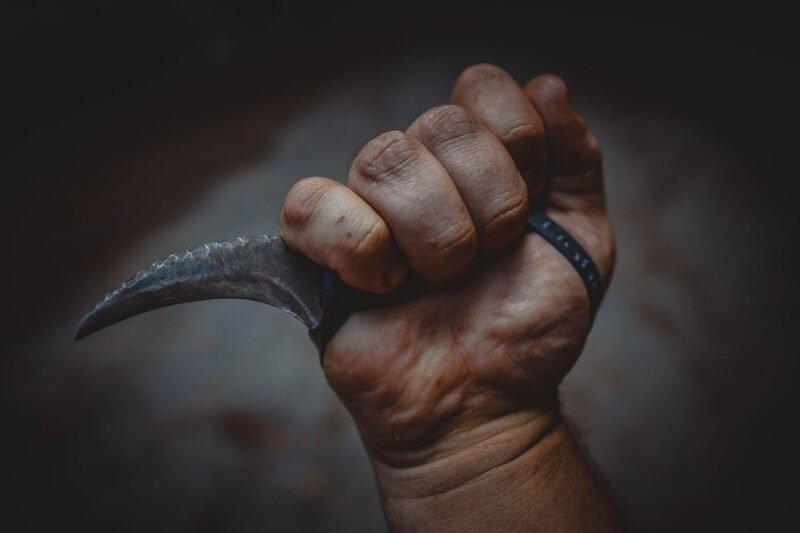



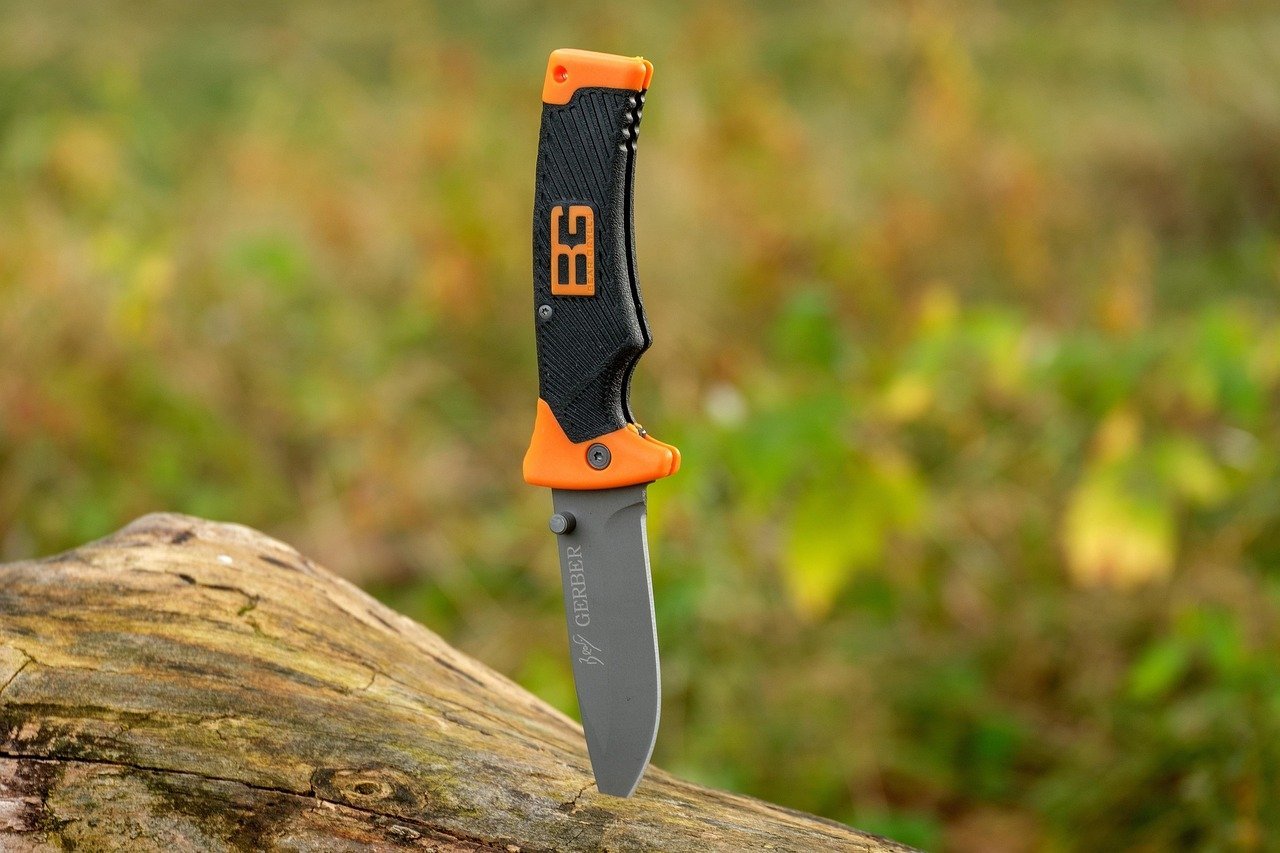
The cimeter knife, also known as a scimitar knife, has a storied history that traces its origins back to the ancient and medieval periods. Characterized by its curved, tapered blade that resembles a saber, the cimeter knife is uniquely designed for precision cutting, particularly in the world of butchery and culinary arts. This article delves into the evolution, cultural significance, and functional design of the cimeter knife, examining its role across different societies and eras.
Origins of the Cimeter Knife
The cimeter knife’s roots can be traced to the Middle Eastern and North African cultures, where curved blades were prevalent in warfare and daily life. The word “cimeter” stems from the Arabic term “simiṭar,” and denotes a weapon that is primarily curved. Historical references highlight that variations of the cimeter, or scimitar, were prominently utilized by soldiers in Islamic armies, making it a symbol of power and martial prowess.
By the 8th to 12th centuries, the blade had evolved into a more refined tool. As trade flourished along the Silk Road, the craftsmanship of knife-making spread throughout Europe, blending with local traditions. This cross-cultural exchange led to the development of the cimeter knife as a practical tool for butchery and food preparation.
Design and Structure
The design of the cimeter knife is one of its most distinctive attributes. Typically featuring a long, curved blade that ranges from 10 to 14 inches, the knife is designed with a tapered point and a wide belly. The curvature allows for a smooth slicing motion, particularly beneficial in butchery settings where large cuts of meat are present.
The materials used in cimeter knives have evolved over time. Traditionally, high-carbon steel was favored for its ability to hold a sharp edge. Modern designs often incorporate stainless steel for enhanced corrosion resistance, paired with ergonomic handles made from materials like synthetic composites or woods such as ebony.
The weight balance of the cimeter knife is also worth noting. A well-crafted cimeter has a slight forward balance, which assists chefs and butchers in applying the right amount of force without excessive strain. This nuanced balance allows for precision when slicing through both tender cuts and denser muscle groups.
Cultural Significance
Throughout history, the cimeter knife has not only served as a tool but has also held cultural significance. In Middle Eastern cuisine, the curved blade is often employed to prepare dishes that require entailing intricate knife skills, such as kebabs and shawarma. In these traditions, the knife represents a connection to heritage and culinary practices that have been passed down through generations.
In Western culinary arts, the cimeter knife has garnered respect among chefs and butchers alike. Chefs value the knife for its ability to make precise, clean cuts that enhance the presentation of dishes. Butchers, on the other hand, appreciate its utility during the breakdown of larger animals, facilitating the process of treating and handling meat.
The Cimeter Knife in Modern Culinary Practices
As the culinary world has evolved, so too has the use of the cimeter knife. In the modern kitchen, the cimeter knife is often part of a professional chef’s toolkit, alongside other specialized knives. Its versatility extends beyond meat slicing; it has become an essential tool in preparing various protein-based dishes and managing large cuts of meat in commercial kitchens.
Many culinary schools now teach the proper use and maintenance of cimeter knives, emphasizing the importance of knife skills in professional cooking. In the realm of gastronomy, the knife is recognized for its capability to create uniform cuts that contribute to cooking consistency and aesthetics.
Maintenance and Care
Like any high-quality kitchen tool, the cimeter knife requires proper maintenance to perform effectively. Regular honing and sharpening are critical to retaining its edge. Professional chefs often utilize whetstones or honing rods tailored to their specific knives to ensure longevity and performance.
Cleaning methods have also evolved. While traditional methods included hand wash cleaning with soap and water, modern standards recommend avoiding abrasive materials to protect the blade’s integrity. The use of cutting boards made from soft materials like wood or synthetic composite helps preserve the blade’s sharpness.
The Cimeter Knife in Culinary Competitions
In diverse culinary competitions, the cimeter knife has its place, particularly in events focusing on meat preparation. Contestants often showcase their cutting skills and creativity using cimeter knives to prepare shapes and dishes that impress judges with both artistry and taste. This knife emphasizes not only skillful technique but also honors the tradition of meat preparation.
Variations and Alternatives
While the traditional cimeter knife remains highly regarded, several variations have emerged to suit specific culinary and butchery tasks. Fillet knives, boning knives, and other specialized blades have been designed to address different cutting styles. These alternatives often borrow features from the cimeter, particularly in terms of blade curvature and design, reinforcing the versatility and importance of the original cimeter knife.
Global Influence on Culinary Techniques
The reach of the cimeter knife has expanded far beyond its origins, influencing culinary practices across the globe. In Asian cuisines, the curved design and cutting techniques inspired the development of similar knives that serve specific purposes in various meat preparation processes. The cross-pollination of culinary techniques demonstrates the universal recognition of the cimeter knife’s efficacy and relevance.
Closing the Gap Between Tradition and Modern Use
Though the cimeter knife has a storied past steeped in tradition, its adaptation into modern kitchens highlights the balance between honoring legacy and embracing innovation. Chefs today use the cimeter knife not just as a tool but as a symbol of their skills, representing a connection to culinary history while allowing them to shape new gastronomic experiences.
Conclusion
Through centuries of evolution, the cimeter knife stands as an iconic representation of both practical utility and cultural significance in the culinary world. Its history reflects a blend of tradition, artistry, and innovation, making it an essential tool for chefs and butchers alike. By understanding the evolution and enduring nature of the cimeter knife, one can appreciate more than just its craftsmanship—one can also respect the generations of culinary knowledge and cultural practices it embodies.