



The History and Legacy of the Bowie Knife: A Complete Guide
Origins of the Bowie Knife
The Bowie knife traces its origins back to the early 19th century in the United States, with roots firmly planted in the frontier lifestyle of the early settlers. The knife is named after Jim Bowie, a legendary figure in American history known for his role in the Texas Revolution and his famous duel at the Sandbar in 1827. Bowie’s daring feats and the knife he carried became a symbol of rugged individualism, resonating strongly with the American spirit of the time.
The design of the Bowie knife was influenced by various cultures. It incorporated elements from Spanish, Native American, and European knife-making traditions. The blade was often characterized by a broad, clipped point, making it highly versatile for both combat and utility tasks. This adaptability revolutionized personal weaponry and survival tools, allowing it to become a favorite among frontiersmen, soldiers, and outdoor enthusiasts.
Development and Design
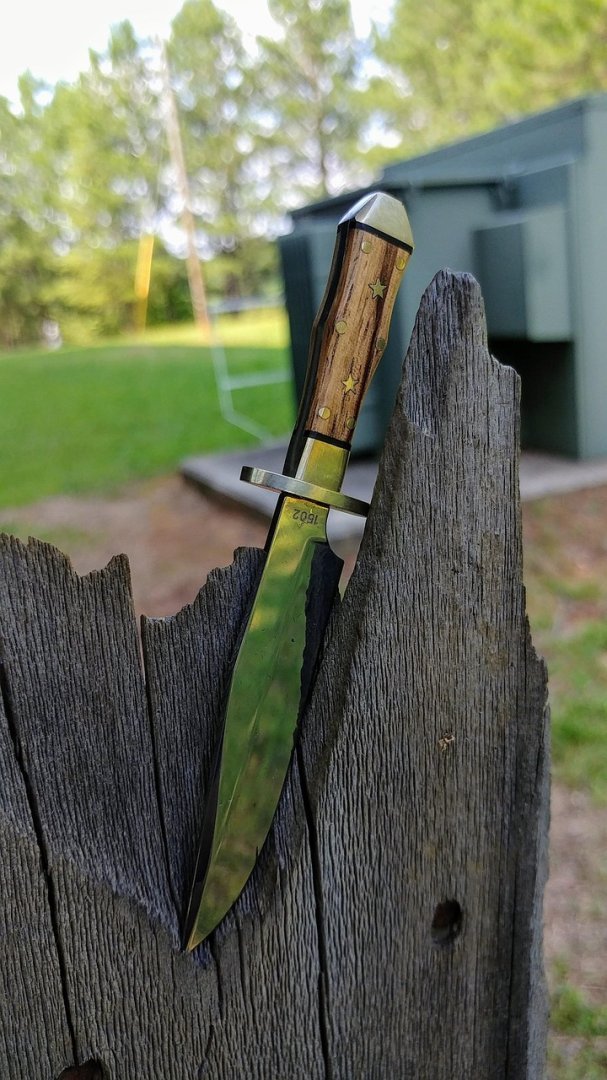
Bowie knives typically feature a fixed, single-edged blade that ranges from 6 to 12 inches in length, although some variations exist. The blade‘s distinct shape, with a curved belly and sharp point, allows for a variety of uses: from skinning game to close-quarters combat. The handle usually showcases materials such as wood, bone, or synthetic composites, often designed with a crossguard to provide a secure grip.
Over the years, the weight and balance of the Bowie knife have also evolved. Early versions were heavily made and often unwieldy, while modern iterations are crafted to provide maximum functionality without sacrificing portability. Advanced materials in contemporary production, including stainless steel and carbon fiber, have improved both durability and aesthetic appeal.
The Bowie Knife in Popular Culture
The Bowie knife has become more than just a practical tool; it has also established a prominent place in American folklore and popular culture. Jim Bowie’s legendary status is immortalized not just in stories of his daring exploits, but also through various artistic interpretations. The knife itself has appeared in novels, films, and TV shows, often symbolizing strength, resilience, and the unyielding spirit of the American West.
Movies featuring characters equipped with Bowie knives have further planted the tool in the collective imagination. From Westerns to adventure flicks, the Bowie knife stands as an emblem of survival, often wielded by rugged, resourceful heroes. This cultural significance is not just a testament to the knife’s utility but also to its representation of freedom and self-sufficiency.
Usage and Versatility
The utilitarian aspect of the Bowie knife cannot be overstated. Whether used for hunting, skinning, or as a survival tool, its design facilitates a multitude of tasks. Outdoor enthusiasts prize it for its ability to slice through tough materials while maintaining a sharp edge longer than many standard knives.
In survival situations, the Bowie knife’s broad blade can be used for cutting wood, preparing food, or even self-defense against predators. Campers and hunters value it as an all-in-one tool, capable of meeting various demands in the wilderness. Its weight and balance make it effective for both slicing and thrusting motions—a factor that enhances its desirability among martial artists and traditional practitioners of edged weapon combat.
The Bowie Knife in Military History
Throughout American history, the Bowie knife has seen widespread use among military personnel. During the Mexican-American War and the Civil War, soldiers carried Bowie knives as part of their standard kit. They served as both a fighting knife and a practical tool for various tasks on the battlefield, from digging to food preparation.
Notably, the knife’s reputation as a formidable weapon continued well into the 20th century. It was often used by troops in close-quarters combat, where its effectiveness combined with its psychological impact. Stories of its use in battles contributed to its legendary status.
Craftsmanship and Collectibility
As the appreciation for craftsmanship has grown, artisanal manufacturers have emerged, creating Bowie knives that reflect both the traditional form and contemporary innovations. Collectors now seek original versions or high-quality reproductions, and certain brands have captured the market through their commitment to heritage and quality.
Collectors value Bowie knives not only for their practicality but also as pieces of art. Many knives feature elaborate designs, engravings, and premium materials that elevate them beyond mere tools to treasured keepsakes. As a result, certain models can command high prices at auctions, underscoring their significance in American heritage.
Legal Considerations and Controversies
The rise in popularity of Bowie knives has also led to various legal considerations. Laws regarding the carry and use of Bowie knives differ significantly by jurisdiction. In some places, blades over a specific length are considered prohibited weapons, while in others, they are seen purely as utilitarian tools.
This legal landscape can create controversy among enthusiasts and collectors, particularly regarding perceptions of the knife as a weapon versus a tool. Advocacy groups and knife owners often navigate complex regulations, promoting responsible ownership while challenging unjust restrictions.
The Legacy of the Bowie Knife
The Bowie knife’s legacy remains deeply embedded in American culture as a symbol of individuality and practical efficiency. It embodies the spirit of adventure, adaptability, and self-reliance prevalent in the American frontier narrative.
Unlike many other historical weapons, the Bowie knife is still relevant today, appearing in popular media, held in the collections of enthusiasts and historians alike, and revered in cultural discussions around survival and outdoor skills. Its continued evolution reflects changing technologies and societal attitudes toward tools and weaponry.
Future of the Bowie Knife
As outdoor activities gain popularity and craftsmanship in knife-making thrives, the future of the Bowie knife appears promising. The revival of interest in traditional skills, homesteading, and outdoor survival could further cement its positioning as more than just a relic of the past—also, a useful, enduring tool.
The combination of ancestral knowledge, modern materials, and innovative design ensures that the Bowie knife will continue to evolve, appealing to new generations of adventurers and collectors. It remains a potent symbol of American history, craftsmanship, and the unique blend of utility and artistry in one versatile tool.