



The Importance of Regular Knife Sharpening for Chefs
Enhanced Precision and Control
Knife sharpening is fundamental to a chef’s precision and control when preparing ingredients. A sharp knife glides effortlessly through vegetables, meats, and other food items, enabling precise cuts that can significantly impact the presentation and texture of dishes. Dull knives often tear or crush ingredients, altering their integrity and appearance. When chefs regularly sharpen their knives, they can produce consistent and clean slices, crucial in culinary presentations and dishes where texture matters, such as sushi or carpaccio.
Improved Safety in the Kitchen
Ironically, dull knives pose a higher risk of accidents in the kitchen than sharp ones. A dull blade requires more force to cut through food, increasing the likelihood of slipping and causing injuries. In contrast, a well-maintained knife allows for controlled and deliberate movements, minimizing the chance of mishaps. Regular sharpening cultivates a safer kitchen environment, as chefs can work with confidence and reduce the strain on their hands and wrists from excessive pressure.
Time Efficiency
Efficiency is critical in a busy kitchen setting. Cutting and chopping with a dull knife can consume a significant amount of time, slowing down food preparation. Sharpening knives on a regular basis allows chefs to cut prep time considerably. Since meals often require multiple ingredients that need to be chopped or sliced, having sharp knives can streamline the process and facilitate an organized flow of tasks, ultimately leading to enhanced productivity.
Preservation of Food Quality
The quality of food is of utmost importance in any culinary endeavor. A sharp knife creates clean cuts that help retain the freshness and quality of ingredients. For instance, when herbs are chopped with a dull blade, their cellular structure is damaged, leading to bruising, browning, and flavor loss. In contrast, a sharp knife minimizes this effect and preserves the essential oils and flavors in herbs, ensuring that dishes are vibrant and aromatic.
Maintenance of Equipment Durability
Regular knife sharpening is an integral part of knife maintenance that extends the lifespan of blades. A well-cared-for knife has a much longer life expectancy than a neglected one. Neglecting to sharpen knives can lead to chips or nicks in the blade, requiring costly repairs or even replacement. By incorporating routine sharpening into their maintenance schedule, chefs can protect their investment in high-quality knives, maximizing their use over the years.
Various Sharpening Techniques
Understanding and mastering different sharpening techniques is essential for chefs looking to hone their skills. There are several methods to sharpen knives, each with distinct benefits:
Whet Stones: Using a whetstone offers control over the sharpening angle and helps create a fine edge. It requires practice but rewards chefs with exceptional results.
Pull-Through Sharpeners: These provide a convenient way to sharpen knives quickly. While they may not offer the precision of whetstones, they are effective for maintaining blades between professional sharpenings.
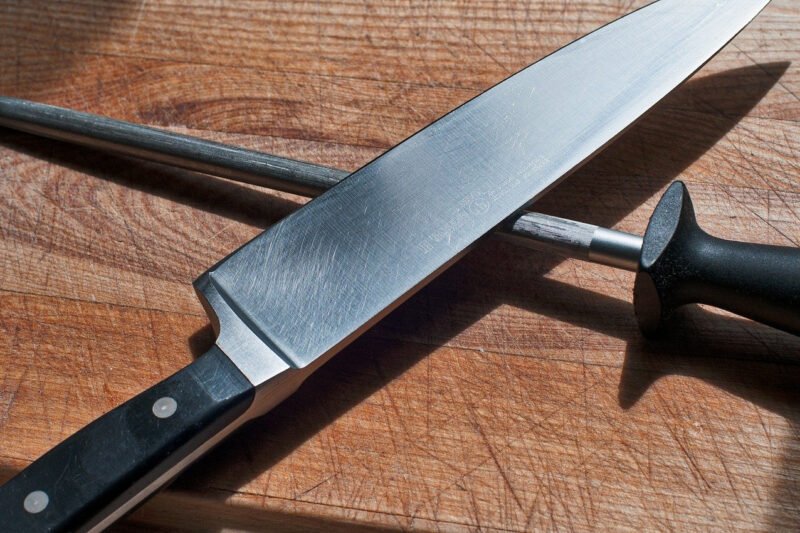
Honing Rods: Often used in conjunction with sharpening, honing rods help realign the knife’s edge and keep it sharp for longer periods. Chefs should incorporate honing into their daily routine.
Professional Sharpening Services: For chefs who prefer a hands-off approach, sending knives to a professional sharpening service ensures that they receive expert care. This often results in a sharper edge than most home methods can achieve.
Knowledge of Blade Materials
Different knives are made from various materials that react differently to sharpening. High-carbon stainless steel, for instance, holds an edge well and can be sharpened easily, while ceramic knives require specific tools and techniques due to their brittleness. Chefs should familiarize themselves with the properties of the material they’re working with to optimize care and sharpening practices. Understanding the nuances of blade materials can not only aid in proper sharpening but also influence the choice of knives based on the types of dishes they prepare.
Emotional and Psychological Benefits
The act of maintaining and sharpening knives can also have emotional and psychological repercussions. For many chefs, engaging in the sharpening process can become a form of meditation, a moment to focus and center themselves before starting the culinary day. The satisfaction derived from using a well-maintained knife can enhance a chef’s passion and love for the craft. Additionally, when chefs take pride in their tools, it often translates into greater care in their cooking, as they invest emotionally in the quality of their work.
Demand for Consistency
In professional kitchens, consistency is critical—not just in flavors and presentations but in techniques as well. Regularly sharpening knives ensures that chefs can execute their techniques uniformly, regardless of the ingredient or the complexity of the dish. This consistency is vital in upscale dining environments, where expectations are high, and even the smallest detail can significantly impact a diner’s experience.
Boosting Culinary Creativity
Using a sharp knife can open new avenues for creativity. When chefs are confident in their ability to slice, dice, and chop efficiently, they might experiment with different cuts or presentation styles that they would otherwise avoid with a dull blade. Whether it’s creating intricate vegetable garnishes or customizing slices for a signature dish, a sharp knife serves as a gateway to innovation in the kitchen.
Sustainability Considerations
The culinary world is progressively leaning toward sustainability, which extends to equipment care practices. Regular sharpening enhances the longevity of knives, reducing waste generated from discarded or worn-out tools. By maintaining their knives, chefs can lower their environmental footprint. Additionally, investing in quality, sustainable knife brands that prioritize durability and performance further solidifies a commitment to eco-friendly practices in the culinary industry.
Training the Next Generation
For novice chefs or culinary students, the importance of knife sharpening cannot be overstated. Educators should prioritize these skills in their training programs, ensuring that aspiring chefs understand the value of maintaining their tools. Instilling this knowledge early on can cultivate a culture of respect for equipment, ultimately shaping the next generation of culinary professionals who appreciate the art of knife care.
Conclusion
Regular knife sharpening is an essential practice for chefs that serves to enhance precision, safety, efficiency, and food quality, all while preserving the lifespan of the knives themselves. As a fundamental skill within the culinary arts, mastering the art of knife maintenance contributes to a chef’s overall effectiveness and passion for their craft. Engaging in this practice not only ensures that chefs can perform at their best but also creates an environment conducive to creativity and culinary excellence.