


The Essential Role of Knife Sharpening in Culinary Skill Development
Understanding Knife Sharpness
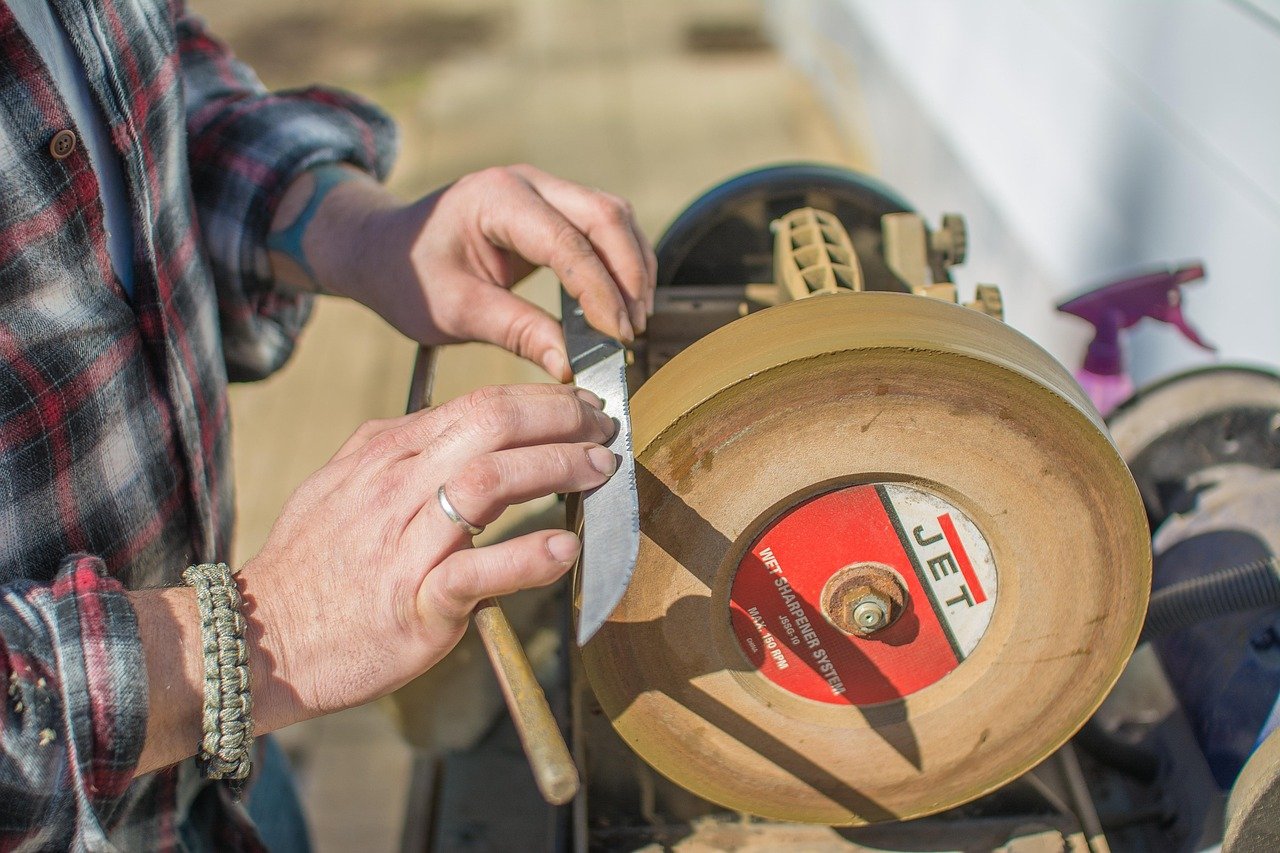
Knife sharpness is crucial for any culinary professional or home cook. A sharp knife provides clean cuts, enabling ingredients to retain their flavors and nutrients. Conversely, a dull knife can crush or tear foods, leading to undesired textures and flavors in your culinary creations. Learning the right techniques to sharpen knives not only improves performance but also enhances overall cooking skills.
Importance of Knife Maintenance
Regular knife maintenance includes more than just sharpening; it involves cleaning, proper storage, and honing. The act of honing, which realigns the knife’s edge without removing material, can be performed regularly in between sharpening sessions. This preventive care prolongs a knife’s sharpness, thereby enhancing safety and efficiency in the kitchen.
Benefits of Using Sharp Knives
Improved Precision: A sharp knife allows for precise cuts, essential for techniques like brunoise, chiffonade, and julienne. Precision contributes to even cooking, which is vital in professional cooking environments.
Enhanced Safety: While it may seem counterintuitive, dull knives are more dangerous than sharp ones. Dull blades can slip off ingredients, increasing the risk of accidents. On the other hand, sharp knives require less force, making them easier to control.
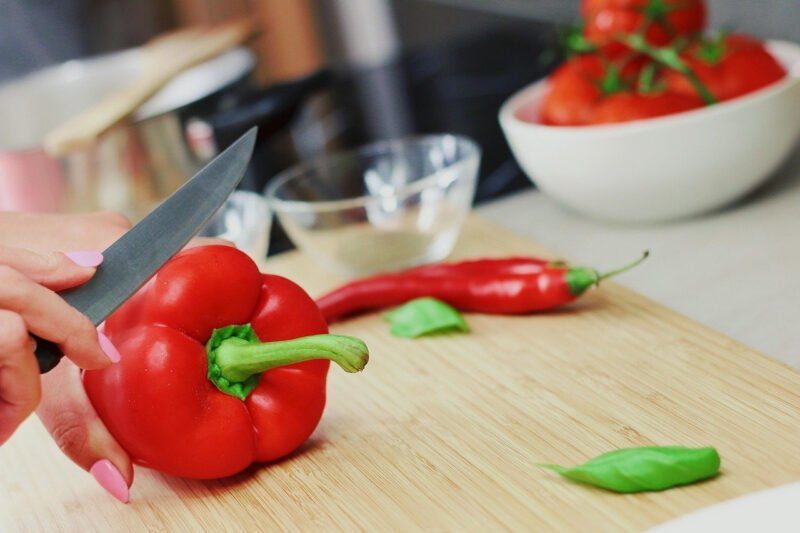
Better Texture and Flavor: A clean cut avoids bruising delicate fruits and vegetables, preserving their texture. Retaining the integrity of the ingredients allows for better flavor extraction during cooking.
Efficiency and Speed: Sharp knives speed up food preparation, making your cooking experience smoother and saving time in high-paced environments. This efficiency allows chefs to focus on creativity rather than struggling with dull blades.
Different Methods of Sharpening Knives
Numerous methods exist for sharpening knives, with each offering unique advantages. Understanding these techniques is essential for skill development:
Whetstone or Sharpening Stone: This traditional method is favored by skilled chefs for its ability to create a very sharp edge. It involves using two different grits: coarse for reshaping and fine for refining the edge. Proper technique and angles must be maintained for optimal results.
Honing Rod: Often mistaken for a sharpening tool, honing rods realign the knife’s edge. Regular use is essential to maintain sharpness and should be performed before and after use.
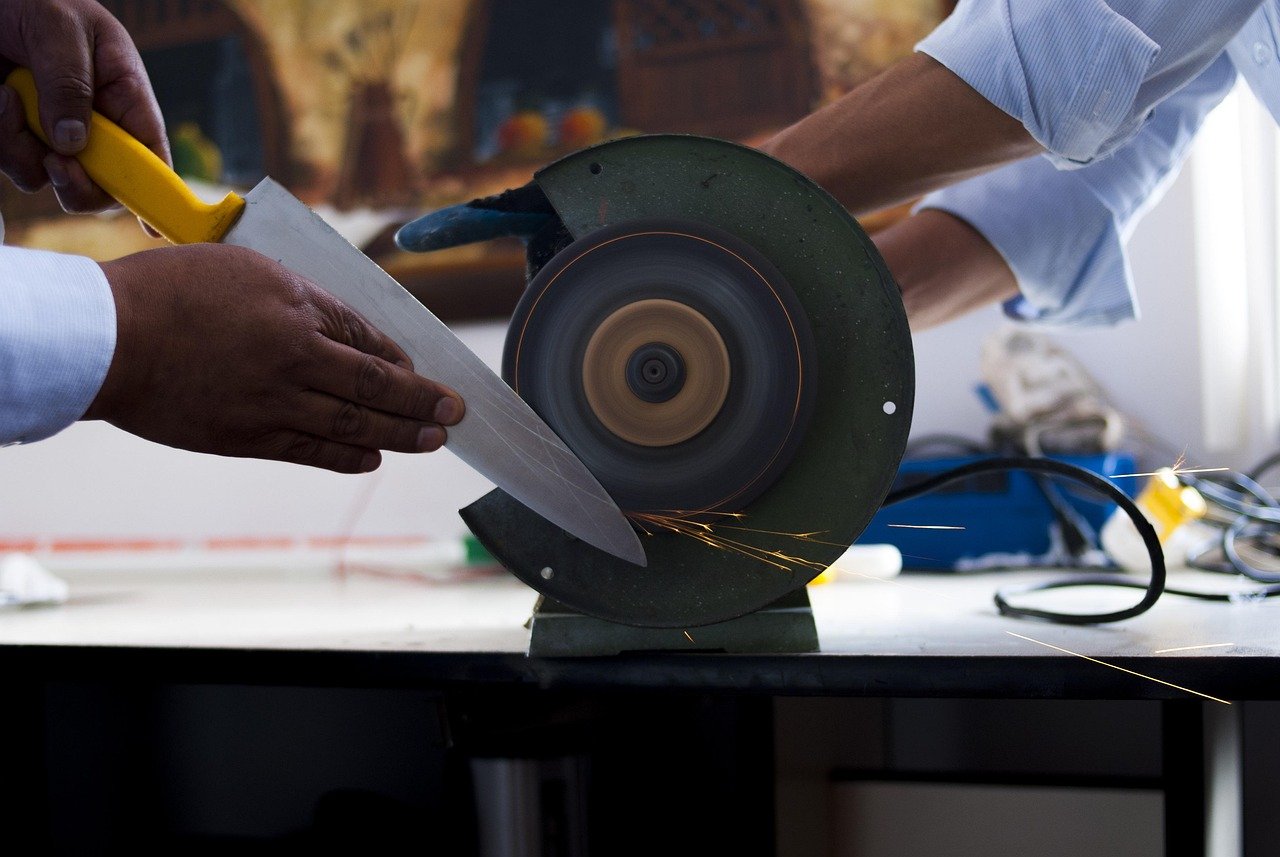
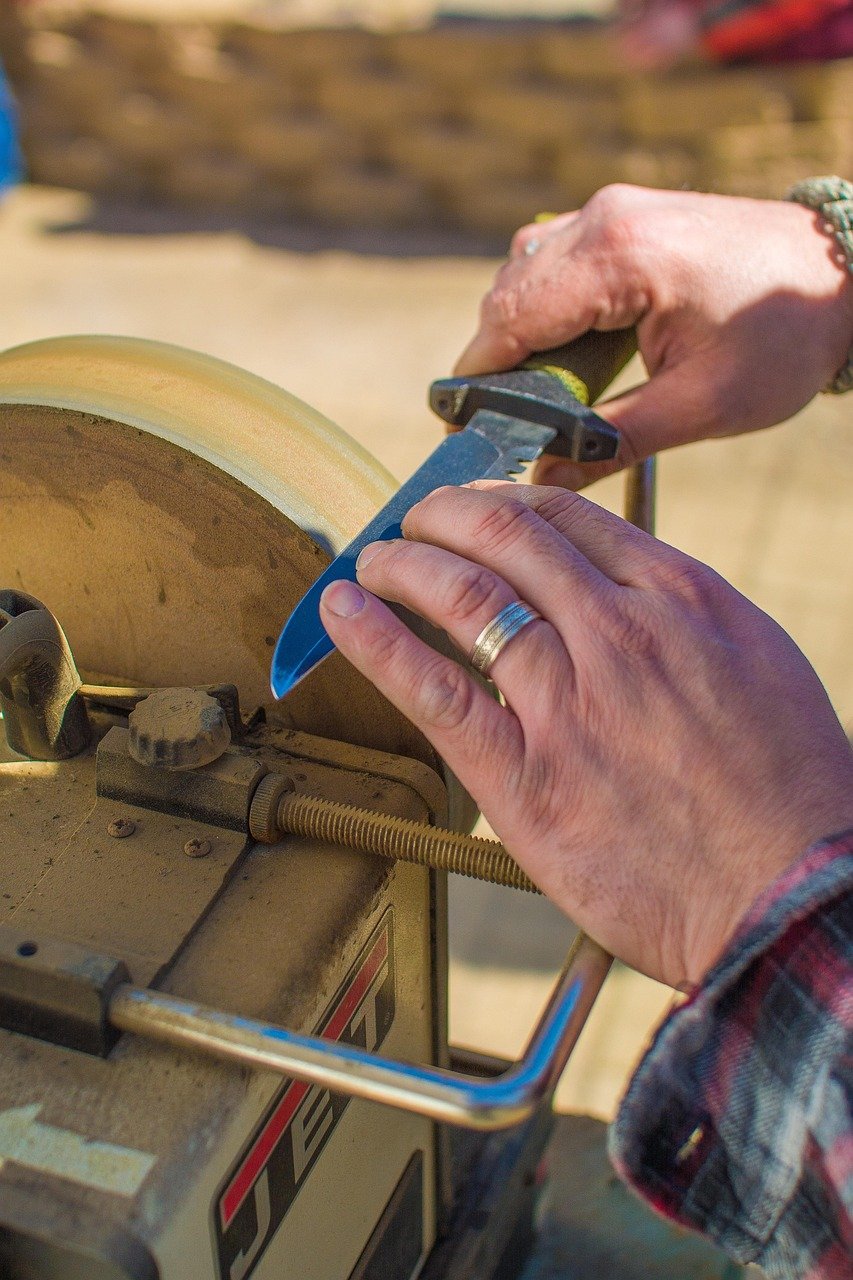
Electric Sharpeners: These devices offer ease and speed but can sometimes compromise the integrity of the blade if not used correctly. A beginner can quickly achieve acceptable results with an electric sharpener, although it may not provide the same finesse.
Professional Sharpening Services: For high-quality knives, seeking professional sharpening services can help maintain the knife’s life span. Professionals will often use specialized tools and techniques to maintain the blade’s edge without damaging it.
Choosing the Right Angle for Sharpening
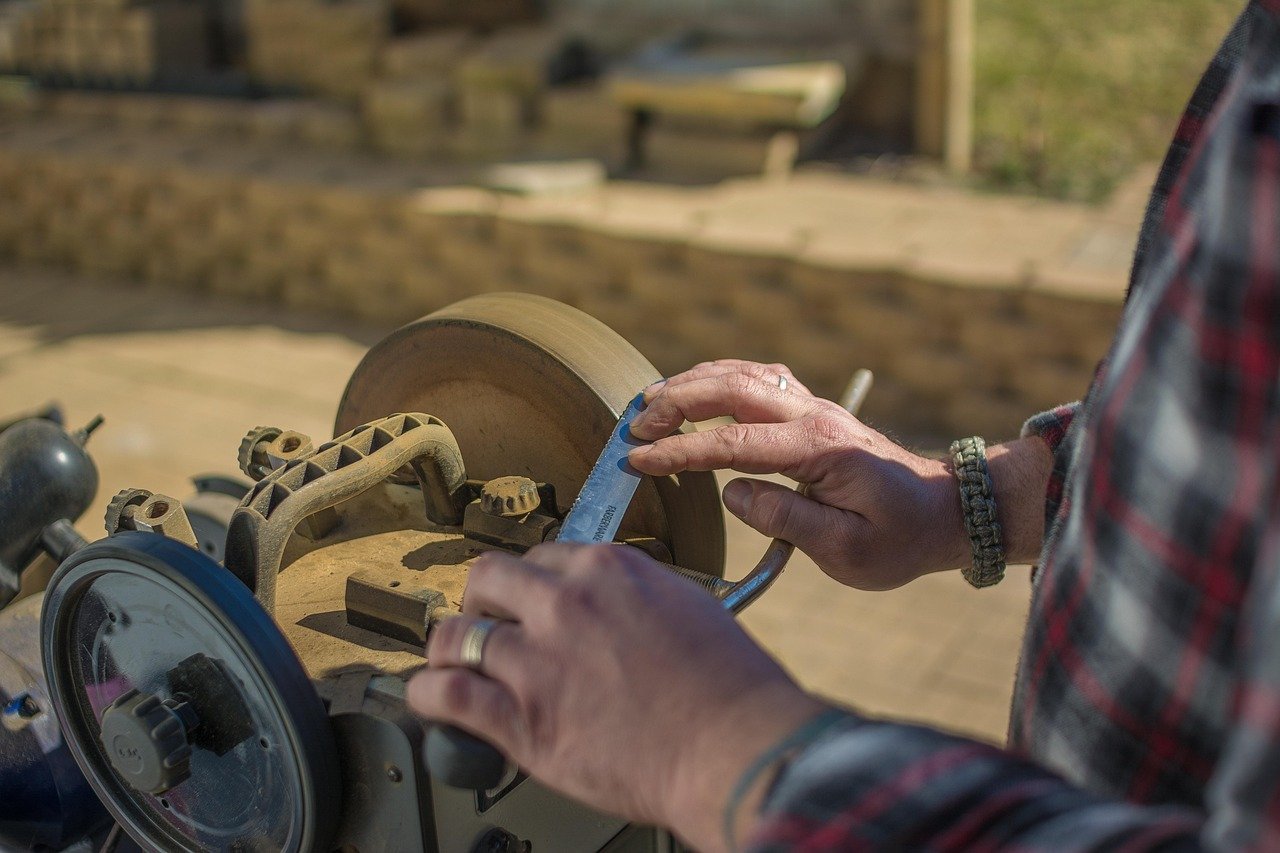
The angle at which you sharpen your knife significantly affects its performance. Most Western-style knives are sharpened at a 20-degree angle, while Japanese knives are often honed at a 15-degree angle or less for precision. Understanding and consistently replicating this angle can vastly improve results in knife sharpening and overall cutting performance.
Incorporating Knife Skills into Culinary Education
Skill development in the kitchen requires an avid focus on knife skills. Often, culinary schools include knife sharpening and cutting techniques in their curricula. Students learn how to maintain their tools, emphasizing the importance of knife care and how it impacts their cooking.
Practical Knife Skills Training
Practicing Basic Cuts: Mastering knife techniques such as dice, mince, and julienne is essential. Practicing these cuts on various ingredients can improve dexterity and confidence.
Regular Sharpening Routines: Incorporating sharpening into your routine helps develop a mentality of care for your tools. Consider scheduling specific days to sharpen your knives to build habitual practice.
Safety Training: Understanding knife safety in relation to sharpening is crucial. Learning how to safely manipulate knives during sharpening protects both user and blade.
The Psychological Aspect of Knife Skills
The act of sharpening knives can boost a cook’s confidence in the kitchen. The process of sharpening serves as a meditative practice, helping chefs learn the significance of patience and care. Developing a strong relationship with one’s tools can turn the mundane task of cooking into a more enjoyable experience.
Culinary Challenges and Knife Sharpening
As cooks advance in their culinary journey, tasks become more complex. Challenging recipes may require specialty knives or more intricate cuts. Knowing how to sharpen these knives effectively ensures that cooks can take on these challenges without fear of equipment failure.
Assessing Your Knife Sharpening Skills
Evaluating one’s knife skills goes beyond identification and execution of techniques. Regularly testing how well a knife cuts through different ingredients can serve as a benchmark for sharpening proficiency. Conducting such assessments can lead to growth and motivation for improvement.
Investing in Quality Knives
Investing in high-quality knives is essential for any serious cook. These knives are often designed for easy sharpening and longevity, ensuring that cooks have tools that can withstand rigorous use. The investment pays off in terms of performance and the resultant enhancement of culinary skills.
Finding Your Ideal Knife Maintenance Routine
Ultimately, every cook should establish a routine that works for them. This involves selecting the best sharpening method, frequencies, and understanding when professional services are necessary. Experimenting with different techniques until you find what suits your cooking style fosters personal growth in the culinary field.
Conclusion
The role of knife sharpening in culinary skill development is multifaceted, deeply linking the art of cooking with the precision of preparation. By understanding and regularly practicing knife sharpening techniques, chefs enhance their culinary capabilities significantly, enabling them to create beautiful and delicious dishes that highlight their skills.