


The Ultimate Guide to Folding Pocket Knives: Features
1. Understanding Folding Pocket Knives
Folding pocket knives are versatile tools that combine portability with utility. These knives can easily fit inside your pocket, making them ideal for everyday carry (EDC). Designed for various tasks ranging from simple cutting to intricate work, a good folding knife is essential for outdoor enthusiasts, craftsmen, and anyone in need of a reliable cutting tool.
2. Types of Folding Pocket Knives
When it comes to folding knives, there are several types tailored to different needs:
a. Traditional Lockbacks
Lockbacks utilize a locking mechanism that secures the blade in place when opened. They are known for their reliability and strength, making them excellent for heavy-duty tasks.
b. Liner Locks
A popular choice among modern pocket knives, liner locks feature a spring-loaded bar that holds the blade open. They allow for quick one-handed operation but may not be as robust as lockbacks.
c. Frame Locks
Similar to liner locks, frame locks use the knife’s handle to secure the blade. They offer enhanced durability and are often found in higher-end knives.
d. Slipjoints
These knives don’t have a locking mechanism, relying instead on spring tension to hold the blade open. Slipjoints are generally safer and simpler, ideal for casual use.
e. Assisted Opening
Assisted opening knives use a spring mechanism that engages upon partial blade opening. This allows for rapid deployment, making it a favorite among users who need quick access to their knife.
3. Materials of the Blade
The blade material significantly impacts the knife’s performance, durability, and edge retention. Common materials include:
a. Stainless Steel
Known for its corrosion resistance, stainless steel is a popular choice for folding knives. Variants like 440C and S30V offer good edge retention and have become industry standards.
b. High Carbon Steel
While more prone to rust, high carbon steels like 1095 can achieve a razor-sharp edge, making them suitable for users who prioritize sharpness over maintenance.
c. Damascus Steel
Damascus steel is known for its beautiful patterns and exceptional strength. These blades are often handcrafted and can provide both superior performance and aesthetic appeal.
4. Blade Shapes
Different blade shapes cater to various cutting tasks. The blade shape you choose affects the knife’s overall utility.
a. Drop Point
The drop-point blade features a convex curve, making it ideal for both slicing and thrusting. It is a common choice for outdoor and hunting applications.
b. Clip Point
With a pointed tip, clip-point blades excel at piercing tasks. They are prevalent in tactical and everyday carry knives due to their versatility.
c. Tanto
Originally from Japanese designs, tanto blades have a strong point and flat edge, making them suitable for piercing and tactical purposes.
d. Spear Point
Spear point blades are symmetrical and multifaceted, providing durability and a decent cutting edge. They’re efficient for piercing and slicing.
5. Handle Materials
The handle’s design and material contribute significantly to comfort, grip, and overall knife performance. Common materials include:
a. G-10
A durable fiberglass laminate, G-10 is lightweight, weather-resistant, and offers a strong grip. It is frequently used in high-end knives due to its excellent properties.
b. Micarta
Made from layers of fabric or paper set in resin, Micarta offers a unique texture and appearance. It is known for its strength and aesthetics.
c. Wood
Natural wood handles provide an excellent grip and an aesthetically pleasing look. However, they may require more maintenance compared to synthetic materials.
d. Aluminum
Aluminum handles are lightweight and durable, often found on tactical models. They can be anodized for additional durability and corrosion resistance.
6. Locking Mechanisms
The safety and reliability of folding knives are determined largely by their locking mechanisms. Understanding various lock types is essential for safe use:
a. Back Lock
Back locks utilize a spring-loaded tab in the handle. When engaged, it secures the blade in the open position, which can be released by pressing the tab down.
b. Liner Lock
This mechanism consists of a flat spring that pushes against the knife blade. It allows for easy, one-handed operation but requires care as it can accidentally disengage under heavy use.
c. Frame Lock
Similar to liner locks, frame locks use the handle to secure the blade. They are often more robust than liner locks, making them suitable for heavy-duty applications.
d. Axis Lock
A unique mechanism found in brands like Benchmade, the axis lock allows smooth one-handed operation by utilizing a pivoting bar. It’s known for its reliability and versatility.
7. Ergonomics and Design
The design of a knife significantly affects its usability. Considerations should include:
a. Grip
An ergonomic grip should reduce hand fatigue and improve control. Textures and contours should cater to varied hand sizes and preferred grips.
b. Weight
Weight is a vital consideration in everyday carry. A knife that is too heavy may hinder everyday use, while a lighter knife can be more easily carried.
c. Size
Folding knives come in mini, medium, and large sizes. The ideal size depends on the user’s preference and intended use, whether for tactical applications or light everyday tasks.
8. Pocket Clips
Many folding knives are equipped with pocket clips, adding convenience and accessibility.
a. Positioning
Clips can be adjustable, allowing users to carry the knife in different orientations, such as tip-up or tip-down.
b. Materials
Most clips are made of stainless steel or titanium for durability. The clip’s tension is important; it should securely hold the knife in place without being difficult to remove.
9. Maintenance Tips
Taking care of your folding pocket knife extends its lifespan and performance:
a. Cleaning
Regularly clean your knife with warm, soapy water or rubbing alcohol to prevent buildup. Avoid submerging, as moisture can lead to rust in metal parts.
b. Sharpening
Keep the blade sharp using either a whetstone or a specialized knife sharpener. Regular honing can maintain an edge longer, while occasional sharpening ensures optimal performance.
c. Lubrication
Apply a few drops of oil to the pivot point to keep the blade opening and closing smoothly. This reduces friction and wear over time.
10. Legal Considerations
Before purchasing or carrying a folding knife, be aware of regional laws. Knife laws vary by country, state, and sometimes even by municipality. Common regulations involve blade length, locking mechanisms, and concealed carry.
11. Making the Right Choice
Choosing the right folding pocket knife requires considering your individual needs. Prioritizing the features that matter most to you, be it blade material, handle design, or locking mechanism, ensures you’ll have a reliable tool tailored to your requirements.
12. Popular Brands
Several brands stand out in the folding knife market for their quality, innovation, and customer loyalty:
a. Benchmade
Renowned for their precision engineering, Benchmade offers a variety of folding knives equipped with innovative locking mechanisms.
b. Spyderco
Famous for their signature round hole for one-handed opening, Spyderco knives are known for their ergonomic design and high-quality materials.
c. Buck Knives
With a heritage dating back to the 1900s, Buck Knives provides a wide range of folding knives that combine traditional craftsmanship with modern technology.
13. Additional Features
Some folding knives come equipped with additional functionalities, enhancing their utility:
a. Multi-tools
Some folding knives come with added functionalities, such as screwdrivers, can openers, or pliers, making them versatile for various tasks.
b. Tanto Point Knives
These blades offer both a strong tip for piercing and additional edge space for slicing, making them useful in tactical situations and daily applications.
c. Serrated Edges
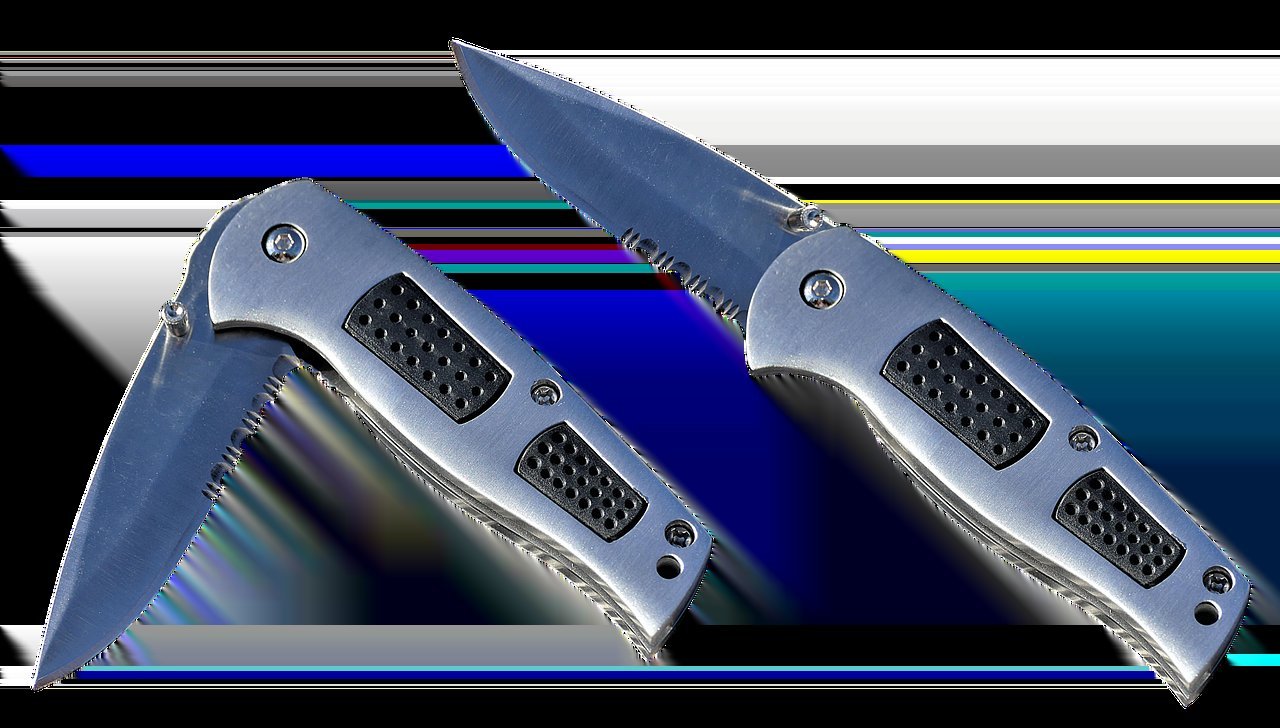
Certain folding knives incorporate serrated sections to facilitate cutting through tougher materials, such as rope or fabric.
14. Ecosystem and Community
The folding knife community is vibrant, with forums, clubs, and online resources where enthusiasts share tips, reviews, and experiences. Engaging with this community can provide valuable insights about maintenance, collecting, and customization.
15. Personalization Options
Many manufacturers offer customization options, allowing users to select unique blade finishes, handle materials, and even personalized engravings. This not only adds a personal touch but can enhance the knife’s aesthetic appeal and thematic coherence.
By understanding these key features and factors, you ensure you select a folding pocket knife that meets your needs, whether it’s for practical use, collection, or both. With the right research, you’ll make an informed decision and enjoy the benefits of this indispensable tool.