


The Ultimate Guide to Sujihiki: Understanding Japanese Slicing Knives
What is a Sujihiki?
The sujihiki is a traditional Japanese slicing knife, renowned for its ability to slice raw fish, meats, and other delicacies with precision and finesse. Recognizable by its long, slender blade, typically measuring between 240mm and 360mm, the sujihiki is a staple in both professional kitchens and culinary households around the world. Its name translates to “to slice through,” which reflects its primary function.

Anatomy of a Sujihiki
Blade Material
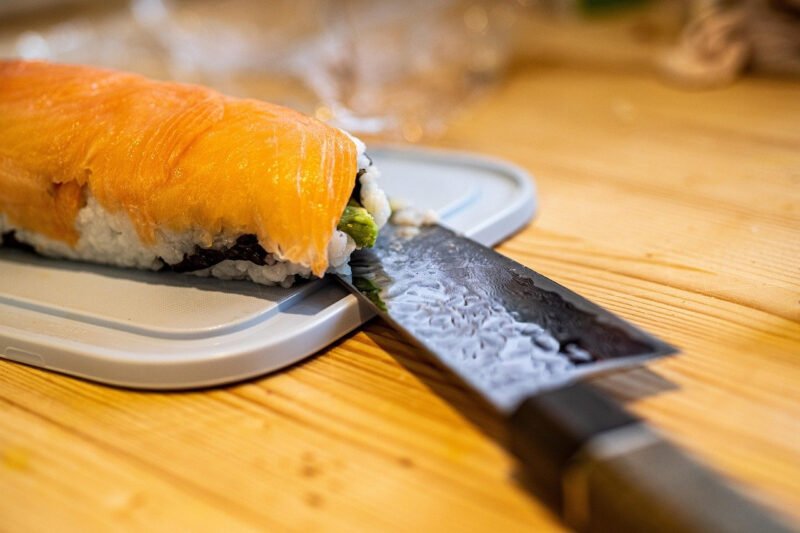
The blade of a sujihiki is typically made from high-carbon stainless steel, which offers a perfect balance between hardness and corrosion resistance. Some high-end models may utilize Damascus steel, known for its aesthetic patterns and durability. The high-quality construction allows the blade to maintain a sharp edge for a long time, essential for precision slicing.
Edge Profile
The edge profile of a sujihiki is usually double-beveled, giving it a versatile cutting ability for both right- and left-handed users. Importantly, it is often ground to an acute angle, around 15-18 degrees, allowing for extremely fine cuts. This exquisite sharpness is what makes the knife ideal for slicing sushi or sashimi, ensuring that delicate textures remain intact.
Handle Design
Sujihiki knives come with different handle designs, most commonly either wa or yo styles. Wa handles are made from wood and feature a traditional Japanese aesthetic, while yo handles, typically made from synthetic materials, are more Western in design. The choice of handle often depends on personal preference and comfort.
Uses of a Sujihiki
The sujihiki knife is exceptionally versatile. Though its primary use is for slicing fish, it can also be used for a variety of other tasks in the kitchen.
Slicing Sushi and Sashimi
One of the most common uses of a sujihiki is in the preparation of sushi and sashimi. The long, tapered design allows chefs to create clean, paper-thin slices of fish like tuna, salmon, or mackerel without tearing the flesh. This is particularly important for sashimi, where presentation is key, and the delicate texture of the fish must be preserved.
Carving Meat
Beyond seafood, the sujihiki is also perfect for carving cooked meats. Due to its length, the blade can cut evenly through large roasts or breasts of poultry. The tension in the blade helps in making precise, clean slices, making it easier for chefs to serve beautiful portions.
Cutting Fruit and Vegetables
The sharpness and finesse of the sujihiki allow it to handle fruits and vegetables with similar care. Be it for garnishing dishes or preparing salads, the knife excels at cutting tomatoes, melons, and other delicate produce.
Choosing the Right Sujihiki
When investing in a sujihiki knife, several factors should be considered to select the perfect one for your culinary needs.
Blade Length
The blade length affects both usability and comfort. A longer blade will allow for slicing larger items or longer strokes, while a shorter blade may offer more control for intricate cuts. A common length for home use is around 270mm, while professional chefs might lean towards 300mm or longer.
Weight and Balance
Weight plays a significant role in how the knife feels during use. A heavier knife can provide more force, while a lighter knife may offer easier maneuverability. Balance is also crucial; a well-balanced knife will feel effortless in hand, and slicing will become a more fluid motion.
Brand and Craftsmanship
Selecting a reputable brand ensures you are investing in quality. Many renowned Japanese knife makers produce sujihiki, including Shun, Global, and Masamoto. Each brand brings its unique techniques, materials, and craftsmanship to the table, impacting the overall performance of the knife.
Maintenance of Your Sujihiki
Proper maintenance is key to preserving the lifespan and performance of a sujihiki knife.
Sharpening
Regular sharpening maintains the knife’s sharp edge. Using whetstone sharpening is the preferred method among chefs, allowing for better control over the sharpening angle. It is advisable to sharpen the knife only when necessary to prevent loss of material over time.
Cleaning
After each use, it’s important to clean the sujihiki properly. Hand washing with mild soap and a gentle cloth is recommended. Avoid submerging the knife in water for extended periods or placing it in a dishwasher, as these methods can damage the blade and handle.
Storage
Proper storage is crucial for maintaining a sujihiki. Using a knife block, magnetic strip, or blade guard can help prevent accidental damage and keep the edge sharp. Storing knives in drawers can expose them to nicks and dullness.
Mastering the Technique
Holding the Knife
To hold a sujihiki properly, place your dominant hand on the handle, and position your thumb on one side of the blade, with your index finger on the other. This grip allows for better control and precision during slicing. Your other hand may rest on the item being sliced, guiding the motion.
Slicing Motion
The key to effective slicing is employing a smooth, gliding motion, rather than applying excessive force. Start at the top of the item and let the blade do the work as you slide it down. For larger pieces, it’s helpful to begin with a saw-like motion to create a starting point, then gradually shift to a more fluid slice.
Cultural Significance
The sujihiki is not only a kitchen tool but also a part of the deep-rooted culinary tradition in Japan. The attention to aesthetics in preparing food is a culturally significant aspect of Japanese cuisine; thus, proper knife techniques and equipment are paramount.
Sujihiki knives can be passed down through generations, often becoming heirloom pieces valued not just for their utility but for their sentimental worth.
Conclusion
Understanding the nuances of a sujihiki can greatly enhance your culinary skills, offering you the power to create beautiful, thin slices of your favorite ingredients. Whether you’re preparing sushi, filleting a fish, or carving a roast, mastering the sujihiki brings both artistry and precision to your kitchen. Choosing the right knife, maintaining it properly, and honing your techniques will ensure that you enjoy the full benefits this exceptional tool has to offer.