



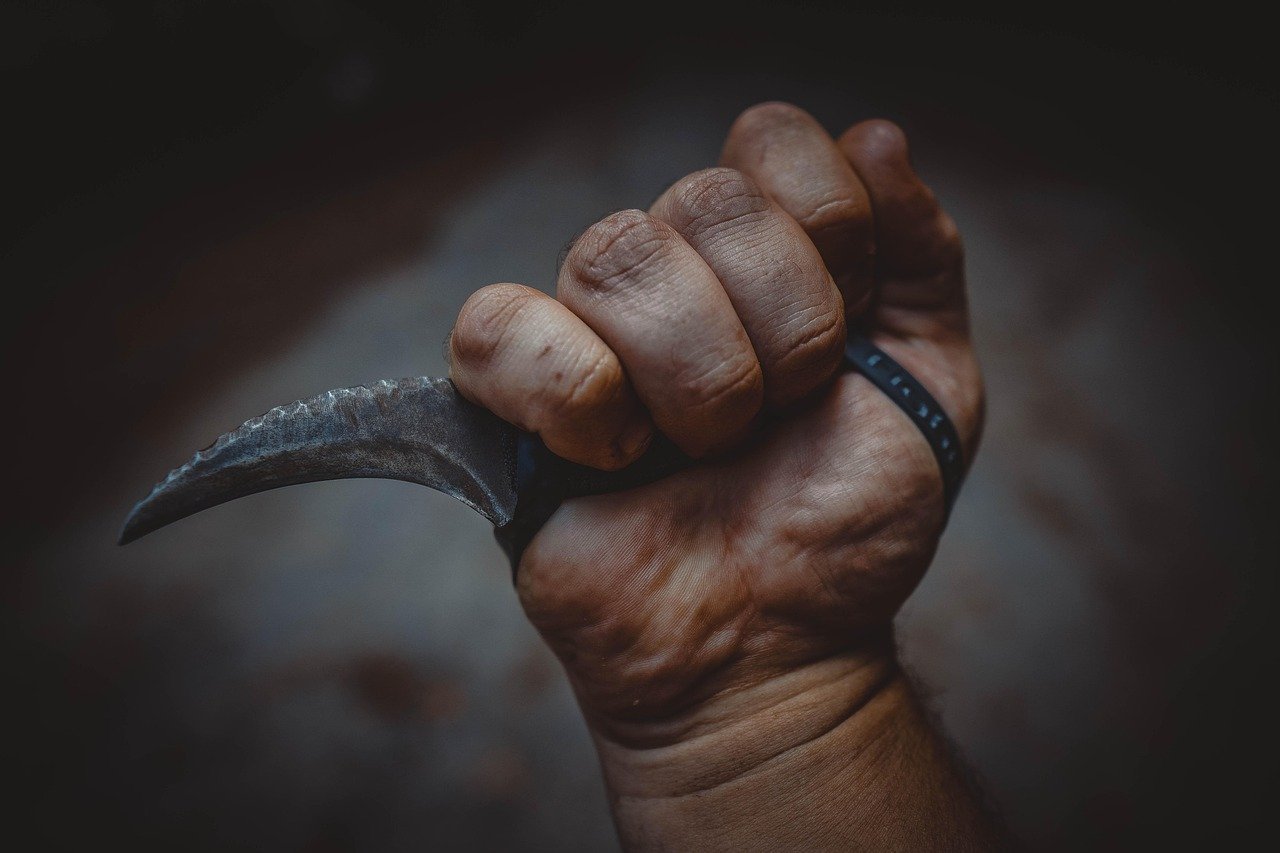
Understanding Tactical Combat Knives
Tactical combat knives serve an essential purpose in modern combat scenarios, and selecting the right knife can mean the difference between life and death. A tactical knife is designed for versatility, durability, and practical application in a wide range of environments. When discussing tactical knives, several key features must be understood: blade type, material, handle design, weight, and additional functionalities.
Blade Types
The blade is the heart of any tactical knife, and it comes in various shapes and designs. Each blade type caters to specific functionalities:
Drop Point Blades: Characterized by a convex curve on the spine, drop point blades offer a strong tip and a large straight cutting edge, making them excellent for slicing and piercing tasks. These blades are highly regarded for their versatility.
Tanto Blades: Known for their strong, angular point, tanto blades were originally influenced by Japanese sword-making. They provide excellent piercing capabilities and can withstand severe stress, making them ideal for tactical combat.
Clip Point Blades: Featuring a concave back, clip point blades allow for an incredible amount of control. They are good for detail work and offer a combination of slicing and piercing ability, making them valuable in close-combat scenarios.
Serrated Blades: These blades contain scalloped edges designed for cutting through tough materials or rope. While they can be harder to sharpen, their cutting power can be highly beneficial in specific circumstances.
Blade Material
The composition of the blade determines its strength, sharpness, and resistance to corrosion:
Stainless Steel: This is one of the most common materials used for tactical knives. Stainless steel is often favored for its corrosion resistance and ease of maintenance. It generally retains its edge well, but the quality can vary significantly among manufacturers.
High Carbon Steel: Known for exceptional hardness and edge retention, high carbon steel blades are frequently used in tactical knives. However, they are more susceptible to rust and staining, necessitating regular maintenance.
Titanium: While less common in tactical knives, titanium offers exceptional strength-to-weight ratios and corrosion resistance. Some high-end models incorporate titanium for specialized tasks.
Ceramic: Known for its extreme hardness and lightweight properties, ceramic blades don’t rust or corrode, but they can be brittle and prone to chipping during heavy use.
Handle Design
A tactical knife’s handle is vital for grip and ergonomics. The design influences comfort, control, and maneuverability:
Material Choices: Handles can be made from various materials including G-10 (a fiberglass laminate), rubber, and aluminum. G-10 offers great grip and durability, while rubber provides a non-slip design even in wet conditions. Aluminum adds structural integrity but can be less forgiving in high-stress situations.
Grip Texture: Textured or contoured grips improve handling, allowing the user to maintain control during use. Some handles come with anti-slip features, ensuring a secure grip even in adverse conditions.
Ergonomics: The shape of the handle should align with the natural grip of the hand. Options with finger grooves or thumb ramps enhance comfort and reduce fatigue during extended usage.
Weight and Balance
The weight and balance of a tactical knife are critical for effective usage. A well-balanced knife allows for better control, ensuring precision during tactical operations. Heavier knives typically offer durability and the capability to withstand more force, while lighter models are ideal for those requiring quick, agile movements.
- Weight Distribution: Generally, a tactical knife should feel stable in hand, allowing for fluid movements without tedium. A weighty tip can enhance slicing abilities, while a balanced knife provides better control for thrusting or stabbing operations.
Blade Finish
The finish of a blade can affect not only aesthetics but also functionality:
Coatings: Many tactical knives come with coatings like DLC (Diamond-Like Carbon) or Teflon, enhancing wear resistance and reducing friction. Coatings can also provide a non-reflective surface, ideal for stealth operations.
Polished vs. Matte: Polished finishes may look more appealing but are less effective for stealth, while matte finishes can minimize glare and enhance tactical performance.
Sheath and Carry Options
A good tactical knife isn’t just about the blade; it also involves how you store and carry it. A durable sheath is essential for safe transportation. Many tactical knives come with MOLLE (Modular Lightweight Load-carrying Equipment) compatible sheathes, enabling effective attachment to tactical gear.
- Types of Sheaths: Kydex or nylon are popular materials for sheaths due to their durability and water resistance. Some sheaths feature retention systems that secure the blade while allowing swift deployment in emergencies.
Additional Features
Tactical knives are often equipped with additional tools and functionalities catered to specific missions:
Multi-functional Knives: Some knives feature built-in tools such as screwdrivers, can openers, or even flashlights, adding versatility to their core functionality.
Assisted Opening Mechanisms: Mechanisms allow for rapid deployment, enabling users to access their knives quickly in high-stress situations.
Survival Features: Certain tactical knives may include survival essentials like fire starters, whistle tools, or paracord, making them multifunctional assets for outdoor survival scenarios.
Legal Considerations
When purchasing a tactical combat knife, understanding local laws and regulations is crucial. Some regions have restrictions on blade length, lock types, and concealed carry. Always verify the legality of carrying a tactical knife in your area to avoid potential legal issues.
Maintenance and Care
To ensure longevity and maintain functionality, proper maintenance of a tactical knife is vital. Regularly clean both the blade and handle to remove dirt, grime, and moisture that can lead to corrosion. Lubricate pivot points if your knife includes moving parts. Sharpen the blade using appropriate tools to keep it in peak condition, ready for action.
Final Thoughts
Investing in a tactical combat knife means considering various features and functionalities. Assess your needs and select a knife that aligns with your specific application. With the right tactical combat knife in hand, you’re not just armed; you’re equipped with a reliable extension of yourself, ready to face whatever challenges lie ahead.


