




Understanding Different Types of Knife Sharpeners: Which Is Right for You?
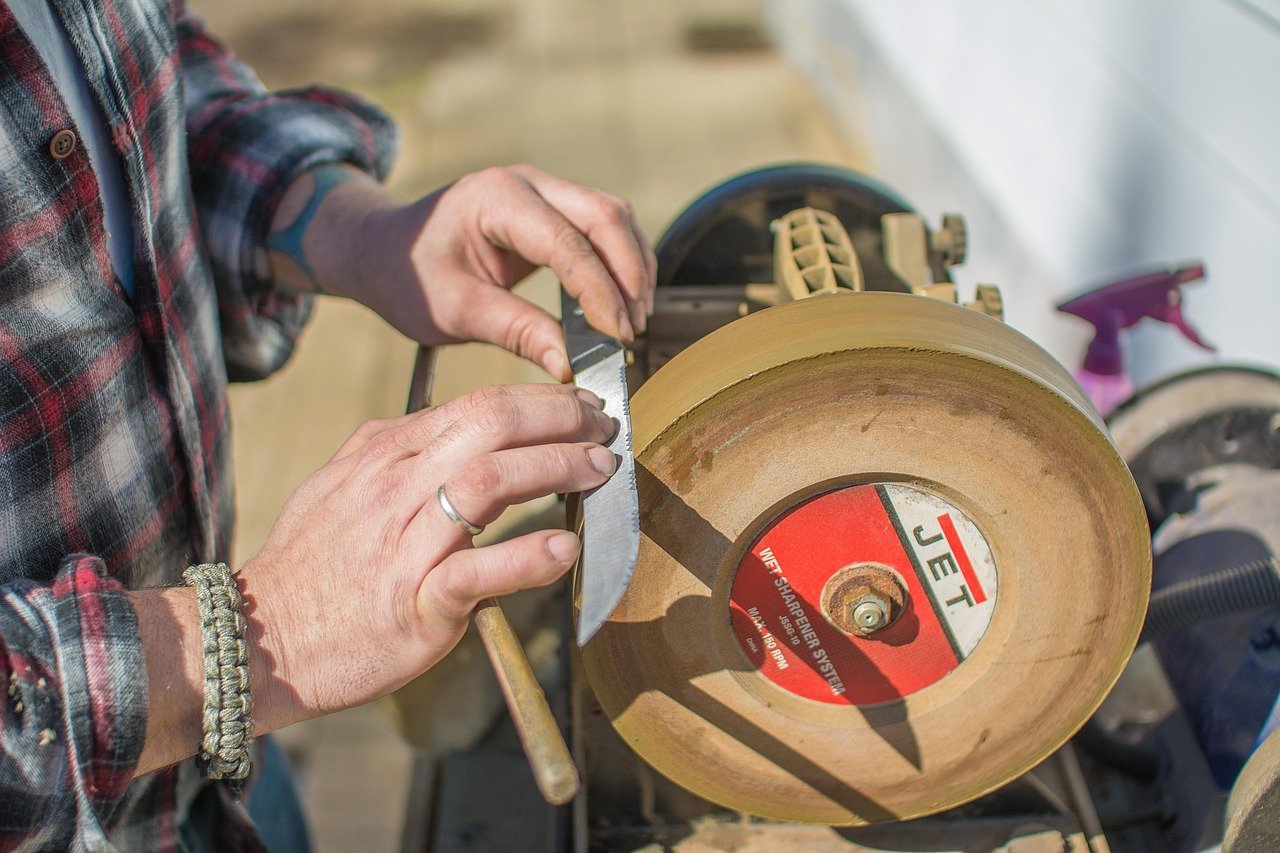
The Importance of Knife Sharpening

A sharp knife is an essential tool in any kitchen, enhancing both safety and efficiency. Dull knives require more force, leading to slips and accidents. Therefore, understanding the various types of knife sharpeners available on the market is vital for maintaining your kitchen arsenal.

Types of Knife Sharpeners
While there are numerous methods for sharpening knives, they primarily fall into three categories: manual sharpeners, electric sharpeners, and whetstones. Each type offers unique benefits and is suited for different skill levels and preferences.
1. Manual Sharpeners
Manual sharpeners typically use a handheld design, offering a simple way to sharpen your knives at home. They can be further categorized into various types:
a) Rod (Honing) Sharpeners
Rod sharpeners, often referred to as honing steels, are cylindrical tools typically made of steel, ceramic, or diamond-coated materials. They are designed to realign the knife’s edge rather than actually sharpen it.
Pros:
- Easy to use and portable.
- Increases the knife’s longevity.
- Affordable.
Cons:
- Does not remove material, thus not suitable for significantly dull knives.
b) Pull-Through Sharpeners
These sharpeners employ a two-slot design—one for coarse and one for fine sharpening. Knives are drawn through the appropriate slot to reshape the blade.
Pros:
- User-friendly and requires minimal skill.
- Affordable and compact for storage.
Cons:
- Can damage the blade if used improperly.
- Limited to certain knife styles.
c) Diamond Paste or Stone Sharpeners
These sharpeners utilize various grits of diamond particles embedded in a flat surface. Users carefully slide the blade across the surface to refine the edge.
Pros:
- Highly effective for restoring dull knives.
- Various grits allow for multiple sharpening stages.
Cons:
- Requires practice for best results.
- Typically more expensive than other manual options.
2. Electric Sharpeners
Electric sharpeners streamline the sharpening process by using automated grinding wheels to hone the blade. They often feature multiple slots for progressive sharpening.
Pros:
- Fast and efficient for quick sharpening.
- Consistent results with minimal effort.
Cons:
- Higher cost compared to manual sharpeners.
- Can be bulky and less portable.
- Risk of overheating the blade if used incorrectly.
3. Whetstones
Whetstones, or sharpening stones, are a traditional yet highly effective way to sharpen knives. They come in various grits, from coarse to ultra-fine, allowing for precise edge refinement.
Pros:
- Exceptional control over sharpening angle.
- Harmonizes both edge restoration and honing in one tool.
- Long-lasting if properly maintained.
Cons:
- Requires a skillful hand and practice.
- Time-consuming compared to electric options.
Factors to Consider When Choosing a Knife Sharpener
When deciding on a knife sharpener, several factors should be taken into account to ensure you choose the best tool for your needs:
1. Skill Level
Your experience with knife sharpening significantly influences the type of sharpener you should choose. Beginners may prefer the ease of pull-through or electric sharpeners, while experienced cooks might enjoy the precision offered by whetstones.
2. Knife Collection
Consider the types and quality of knives you own. High-quality, Japanese-style knives often require more delicate sharpening methods, such as whetstones, to avoid damaging the edge. Conversely, Western-style knives may work well with various sharpeners.
3. Frequency of Use
If you use your knives daily, investing in a high-quality sharpener may save you money and time in the long run. Infrequent users may opt for affordable, user-friendly sharpeners that can be stored away easily.
4. Budget
Knife sharpeners range from budget-friendly options to high-end devices. While you don’t need to break the bank, investing in a reliable sharpener can offer better results and long-term savings on knife replacements.
Maintenance and Care for Sharpeners
Regardless of the type of sharpener you choose, proper maintenance and care are crucial:
Clean After Use: Rinse or wipe down your sharpener after each use to avoid contamination and buildup of metal shavings.
Store Properly: Store sharpeners in a dry environment to prevent rust or damage.
Follow Guidelines: Always adhere to manufacturer instructions to ensure optimal performance and longevity of your sharpener.
Common Mistakes to Avoid
When sharpening knives, several common mistakes can hinder achieving a superb edge:
Incorrect Angle: Maintaining the wrong angle while sharpening can damage the blade. Aim for about 15-20 degrees for optimal results.
Skipping Grits: When using whetstones, transitioning directly from coarse to fine without gradually working through the grits can lead to suboptimal sharpening.
Overusing Electric Sharpeners: Using electric sharpeners too frequently can overheat the blade and affect its edge, leading to premature wear.
Conclusion: Finding Your Perfect Match
Choosing the right knife sharpener depends on a myriad of factors, including your skill level, knife collection, and how often you need to sharpen. By understanding the various options available and their specific advantages and disadvantages, you can find the ideal sharpener that meets your unique needs.
Regular maintenance of your knife collection, paired with the right sharpening technique, will keep your knives performing at their very best, significantly enhancing your culinary experience.

