



Understanding the Different Types of Japanese Knives
Understanding Japanese knives involves delving into a rich tradition characterized by craftsmanship, precision, and cultural significance. Each type of Japanese knife serves specific culinary purposes, making it essential for both professional chefs and cooking enthusiasts to comprehend their unique features and intended uses.
1. Santoku Knife
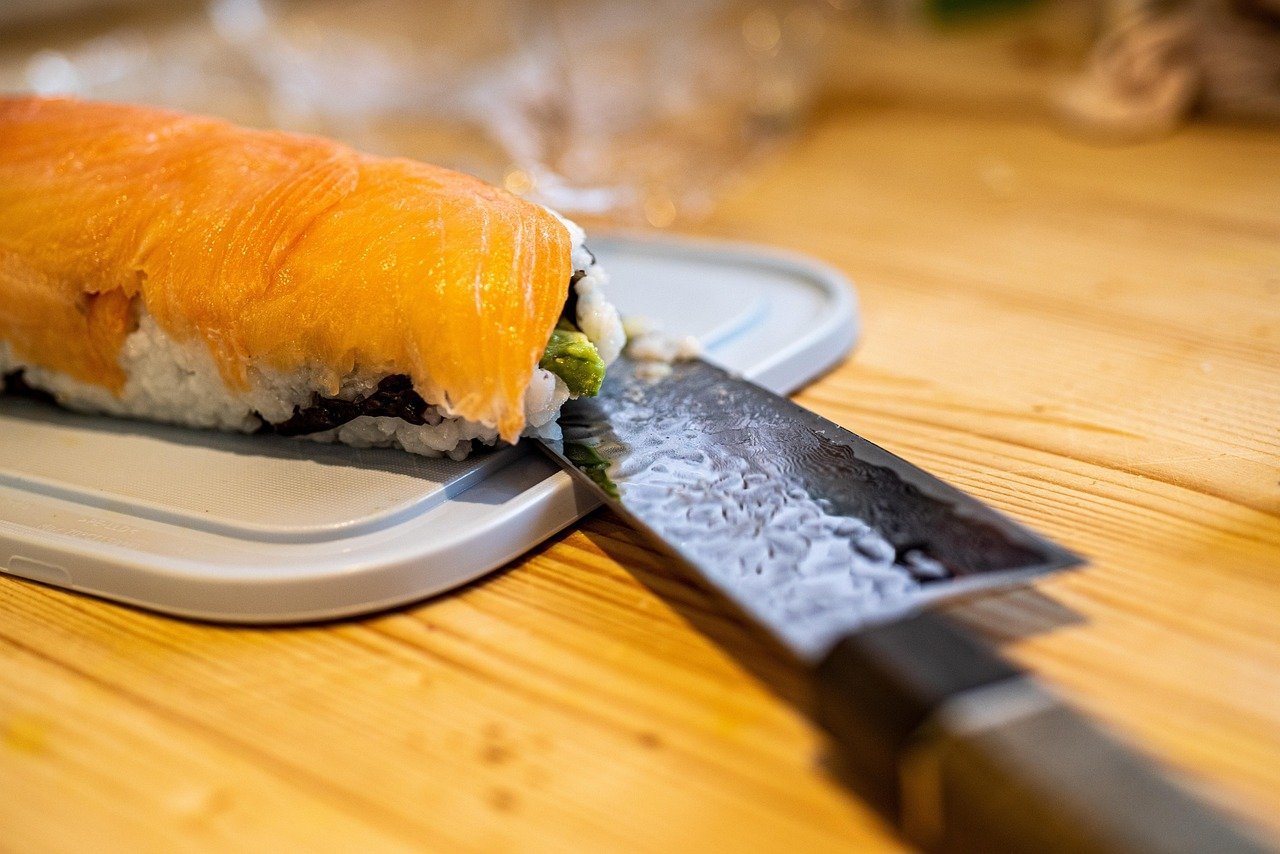
The Santoku knife is a versatile kitchen tool known for its triple virtues: slicing, dicing, and mincing. Typically measuring between 5 to 7 inches, its shorter blade allows for more controlled movements, appealing to home cooks and professionals alike.
Blade Design
The blade‘s flat edge and rounded tip enable efficient food preparation, particularly when dealing with vegetables and proteins. Many Santoku knives feature a Granton edge, which includes dimples along the blade, preventing food from sticking during slicing.
Usage
The Santoku excels in chopping and finer work, making it a preferred choice for Asian cuisine, though it seamlessly adapts to various cooking styles.
2. Gyuto Knife
The Gyuto knife translates to “beef sword” but serves far more than just meat. With a length ranging from 8 to 12 inches, this knife is akin to the Western chef’s knife, versatile enough for various tasks.
Blade Characteristics
Featuring a tapered blade that allows for a smooth rocking motion while cutting, Gyuto knives have a thin profile that enhances their cutting precision. They can be forged from various types of steel, influencing sharpness and edge retention.
Applications
The Gyuto is particularly effective for slicing, dicing, and mincing, suitable for meats, fish, and vegetables. Adaptable in both Asian and Western cooking, it has become a staple in global kitchens.
3. Nakiri Knife
The Nakiri knife specializes in vegetable preparation, characterized by its rectangular blade and straight edge.
Blade Functionality
Typically 5 to 7 inches wide, the Nakiri boasts a flat profile that offers clean, precise cuts. This design minimizes the overall rocking motion experienced with other knives, which helps achieve uniform slices, particularly for leafy vegetables.
Culinary Use
This knife is ideal for chopping, slicing, and julienning vegetables, making it indispensable for plant-based diets and Asian culinary techniques.
4. Petty Knife
The Petty knife, or paring knife, is a small but exceptionally useful tool with a blade length ranging from 3.5 to 6 inches.
Design and Features
Its petite size provides excellent control for delicate tasks, such as peeling fruits and vegetables, deveining shrimp, and intricate garnishing.
Versatility
The Petty knife can perform various tasks, making it suitable for both professional and home cooks when precision is paramount.
5. Deba Knife
The Deba knife is a heavy-duty, Japanese-style filleting knife primarily used for preparing fish.
Blade Structure
Typically 6 to 10 inches long, the Deba features a thick spine and a sharp edge that allows for cutting through bone and fish with ease. The traditional craftsmanship often involves forging with high-carbon steel, providing a durable cutting edge.
Usage in Kitchen
Ideal for filleting fish, the Deba can also be used for poultry or small game, offering an excellent balance of weight and sharpness.
6. Yanagiba Knife
The Yanagiba knife is a long, slender knife perfect for sushi and sashimi preparation.
Blade Characteristics
With its thin and sharp blade measuring 8 to 12 inches, the Yanagiba is designed for single-direction slicing. This feature is crucial for achieving perfectly clean cuts of raw fish, preserving the texture and aesthetic.
Culinary Application
While predominantly used in Japanese cuisine, its precision makes it valuable for any culinary application requiring thin and even slices.
7. Usuba Knife
The Usuba knife is similar to the Nakiri but sharper, often used by professional chefs for more intricate vegetable work.
Blade Profile
With a straight, single-beveled edge, the Usuba is specifically designed for preparing fine vegetable cuts, allowing for precise, delicate maneuvers.
Ideal Usage
This knife is essential for creating delicate garnishes, kooten, or intricate vegetable presentations required in high-end Japanese dining experiences.
8. Sujihiki Knife
The Sujihiki knife is a long, thin slicing knife designed for cutting meat and fish.
Design Features
Available in various lengths from 8 to 12 inches, the Sujihiki’s dual-edged blade facilitates easy slicing. This knife is often used by chefs for carving cooked meat, ensuring clean and uniform slices.
Application
This knife works brilliantly for both meat and fish, making it a fantastic tool for those who enjoy grilling or serving whole roasted meats.
9. Kiritsuke Knife
The Kiritsuke knife is a hybrid between the Gyuto and Usuba, intended for multi-purpose use, including slicing and vegetable preparation.
Blade Overview
Typically longer, ranging from 8 to 12 inches with a unique point shape, the Kiritsuke stands out for its versatility and aesthetic appeal.
Cuisines and Techniques
While this knife often graces the kitchens of professional chefs, its design allows proficient home cooks to explore a range of cutting techniques.
10. Kuro-Shita and Shiro-Shita Knives
Kuro-Shita refers to knives that utilize traditional blacksmithing processes, often distinguished by their blackened blade. Conversely, Shiro-Shita knives exhibit a shiny, polished finish.
Craft Characteristics
Both styles embody unique craftsmanship; Kuro-Shita knives typically focus on durability and rustic charm, while Shiro-Shita emphasizes elegance and detailed workmanship.
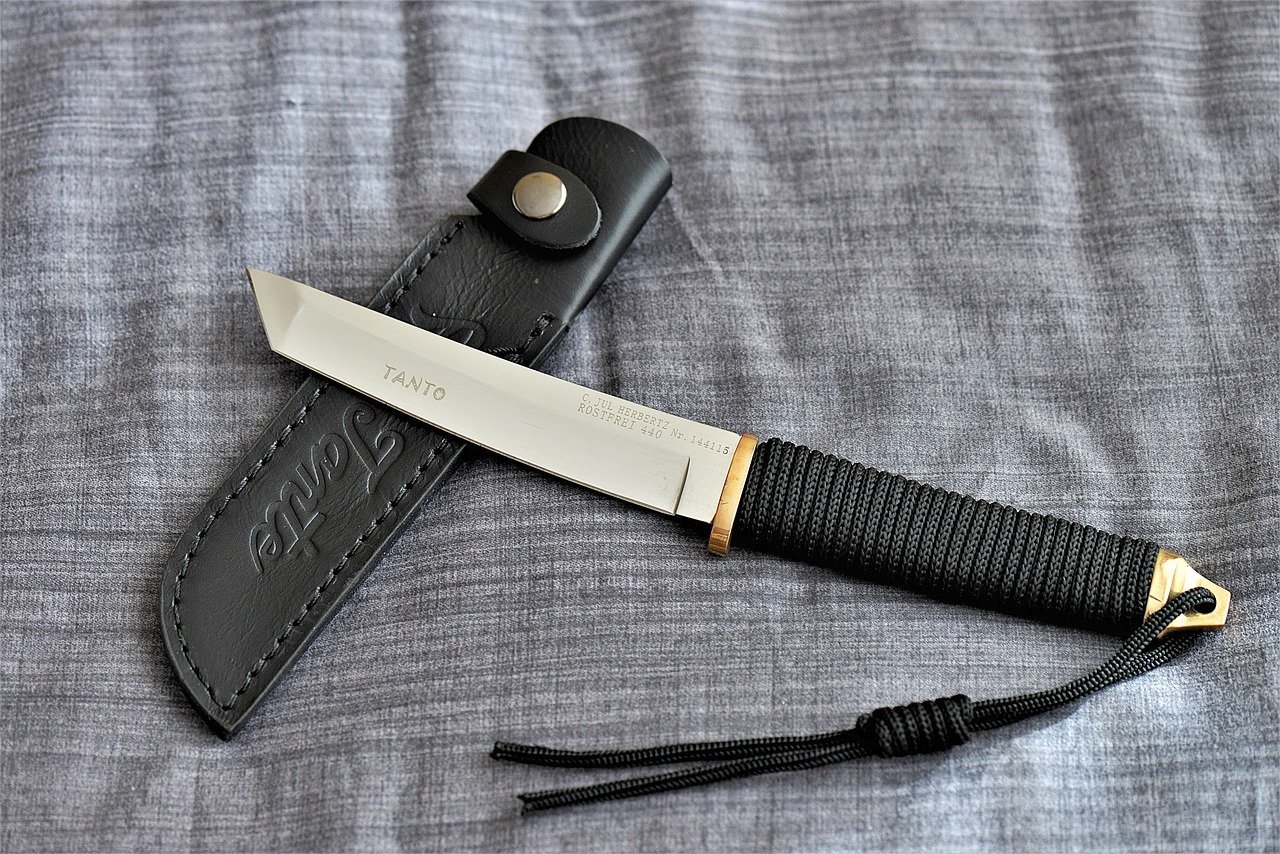
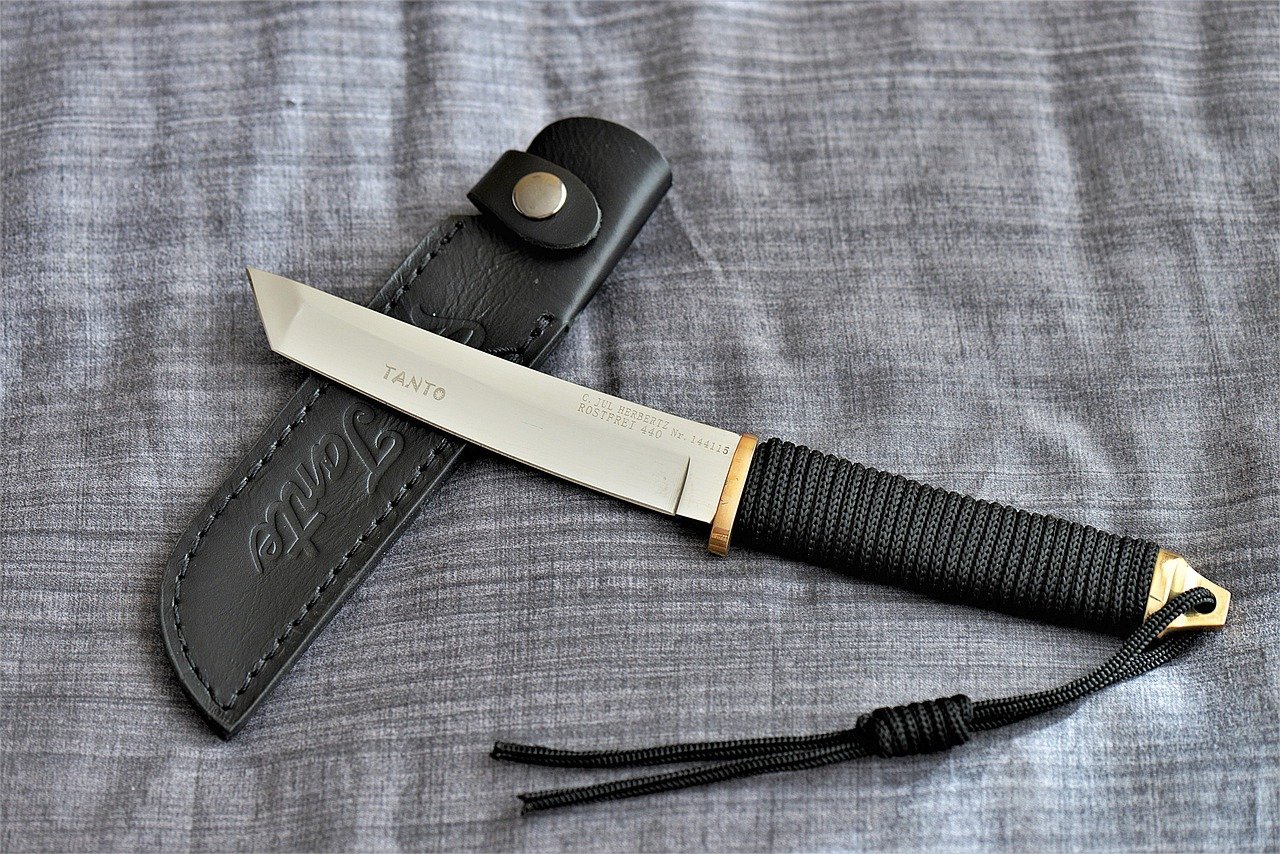
11. Tanto Knife
The Tanto knife combines the functionality of a paring knife and a utility knife, distinguished by its pointed blade.
Features
Typically shorter and featuring a straight edge, the Tanto is designed for precise cuts, ideal for detailed culinary tasks.
Usage in Culinary Arts
Useful for intricate preparations and carving, its compact design makes it a favorite among chefs who require accuracy.
12. Honesuki Knife
The Honesuki knife is a specialized poultry preparation knife, designed with rigidity to handle bones efficiently.
Blade Design
Typically featuring a triangular shape, the Honesuki has a sharp point and typically comes in sizes of about 5 to 7 inches.
Culinary Purposes
Beyond poultry, the Honesuki can assist in various butchery tasks, making it a versatile addition to a knife collection.
13. Gyutoi Knife
The Gyutoi knife is a modern Japanese adaptation of Western chef’s knives with a thinner profile for precise cutting.
Blade Features
Characterized by its sharp edge and elongated body, it allows for smoother cutting motions when tackling intricate cuisines.
Utilization
The Gyutoi is excellent for various cutting tasks, bridging the gap between Japanese and Western culinary techniques.
Conclusion
The diverse types of Japanese knives reflect centuries of tradition, expertise, and cultural significance across culinary practices. Understanding their unique features and applications enables cooks to optimize their kitchen experiences, enhancing food preparation efficiency and artistry. Whether you are a passionate home cook or a professional chef, the right Japanese knife can elevate your culinary craft to new heights.
