


The Importance of a Quality Blade Sharpener in Every Kitchen
Understanding Knife Sharpness
Every culinary endeavor begins with the basic tool of the trade: the kitchen knife. Sharp knives are not only essential for efficiency; they also contribute significantly to safety in the kitchen. A quality blade sharpener is an indispensable tool that ensures knives maintain their sharp edge, reducing the risk of accidents commonly associated with dull blades. When knives are sharp, they cut through ingredients with precision, resulting in cleaner cuts and enhanced presentation.
Types of Blade Sharpeners
Manual Sharpeners
Manual sharpeners provide a hands-on approach to maintaining knife edges. They typically feature ceramic rods or diamond-coated surfaces. Users slide the blade through designated slots, which can take a few minutes but allow for greater control. These sharpeners generally claim to preserve the knife’s original profile.Electric Sharpeners
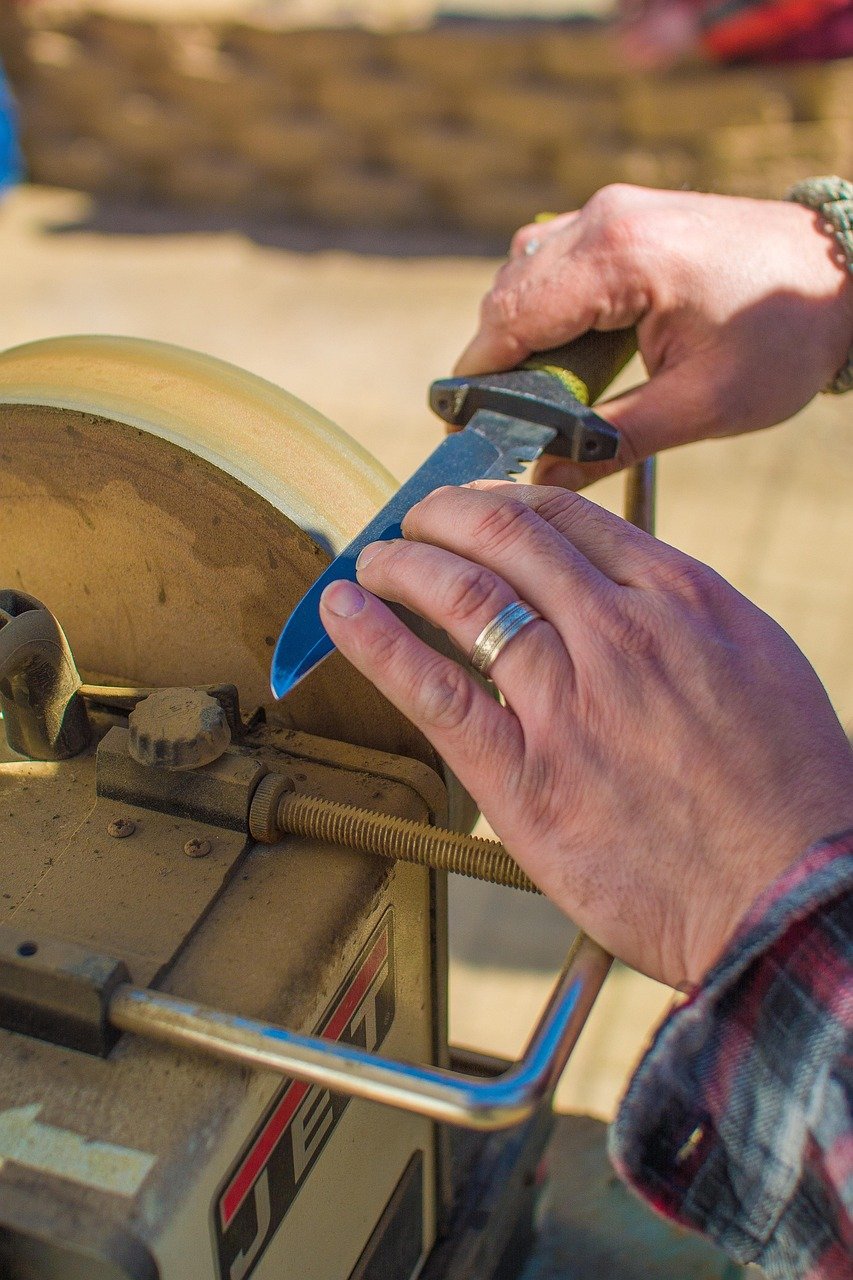
Electric sharpeners are designed for speed and convenience. They come with built-in motorized systems that automatically sharpen blades to specific angles. This makes them ideal for those who sharpen knives frequently or lack confidence in manual sharpening. However, they can remove more material from the blade, potentially reducing its lifespan.Honing Rods
Though not technically sharpeners, honing rods are critical for keeping knife edges aligned. Regular use helps maintain sharpness between sharpening sessions. A honing rod straightens misaligned edges, preventing the need for more intensive sharpening procedures.Whetstones
For those who appreciate the craftsmanship of knife sharpening, whetstones provide a traditional method suited for serious chefs. These stones come in various grits, allowing users to refine edges with meticulous attention. Mastery of this technique requires practice but offers unparalleled results.
Benefits of a Quality Blade Sharpener
Enhanced Safety
One might think that a dull knife is safer, but the opposite is true. Dull blades can slip off the ingredient, causing accidents. Sharp knives, combined with a quality sharpener, ensure cleaner cuts, reducing the likelihood of slip-related injuries.Precise Cuts
Sharp knives yield better precision in cutting vegetables, meats, and fish. This precision not only affects the visual aspect of the dish but also influences cooking time and texture. Consistent thickness in cuts leads to even cooking, enhancing the overall flavor experience.Time Efficiency
A well-maintained blade can cut through ingredients quickly, saving valuable time in the kitchen. With a quality blade sharpener, busy home cooks and professionals alike can minimize preparation times while still achieving high-quality results.Longer Lifespan of Knives
Regular sharpening prolongs the life of kitchen knives. By maintaining their edges, users can prevent damage that occurs from excessive pressure applied to dull blades. This leads to fewer replacements over time, ultimately saving money.Versatility Across Knives
A quality sharpener can cater to a variety of knives, from chef’s knives to paring knives and even serrated varieties. This versatility means having a single tool capable of maintaining multiple blades, streamlining kitchen maintenance routines.Cost-Effectiveness
Investing in a quality blade sharpener reduces the likelihood of purchasing new knives. Instead of discarding a dull blade, proper sharpening can restore it to its original functionality. This consideration is especially vital for gourmet chefs who rely on high-end knives.
Choosing the Right Blade Sharpener
Consider Your Knife Collection
Determine the type and size of knives you own. Whether you primarily use straight-edged or serrated blades will dictate the type of sharpener needed.Sharpening Method
Personal preference plays a pivotal role. Are you comfortable using a whetstone or do you favor the convenience of an electric or manual sharpener?Quality and Durability
Always opt for high-quality materials in any sharpener. Stainless steel and high-grade ceramics are preferable for durability.Ease of Use and Maintenance
Look for features that simplify the sharpening process. Products that are easy to clean and maintain will extend the lifespan of the sharpener itself.Price Point
While cheaper options exist, investing in a higher-quality sharpener may provide better results and longevity. Consider it an investment in your kitchen skill set.
How to Maintain Your Blade Sharpener
Regular Cleaning
Sharpeners can accumulate metal shavings and debris. Cleaning them after each use will ensure optimal performance. For manual and whetstone sharpeners, a simple wipe with a damp cloth can suffice.Store Properly
When not in use, store sharpeners in a safe place. This prevents damage to the sharpener and keeps the blades clear of accidental contact.Periodic Replacement
Stone sharpeners may wear down over time, requiring replacement to maintain effective sharpening. Electric sharpeners may also need servicing as the motor and sharpening components wear.Sharpening Technique
Following the manufacturer’s instructions for the sharpening technique can enhance efficiency and blade longevity. Take time to improve your skills, especially with manual and whetstone sharpeners.Frequent Honing
Encourage periodic honing with a honing rod between sharpening sessions. This keeps edges aligned and reduces the need for frequent sharpening.
Conclusion
A quality blade sharpener is an essential component of any kitchen, optimizing both performance and safety. With various options available, the right choice tailored to individual culinary needs can dramatically influence your cooking experience. Embracing sharpness leads to enhanced precision, greater efficiency, and ultimately a more enjoyable cooking journey.