


Importance of Regular Knife Sharpening in Food Preparation
When it comes to culinary arts, the quality of tools you use can significantly impact the final dish. A key component of any kitchen arsenal is the knife. However, simply owning a knife is not sufficient; regular maintenance, particularly sharpening, plays a crucial role in food safety and preparation efficiency.
Understanding Knife Sharpness
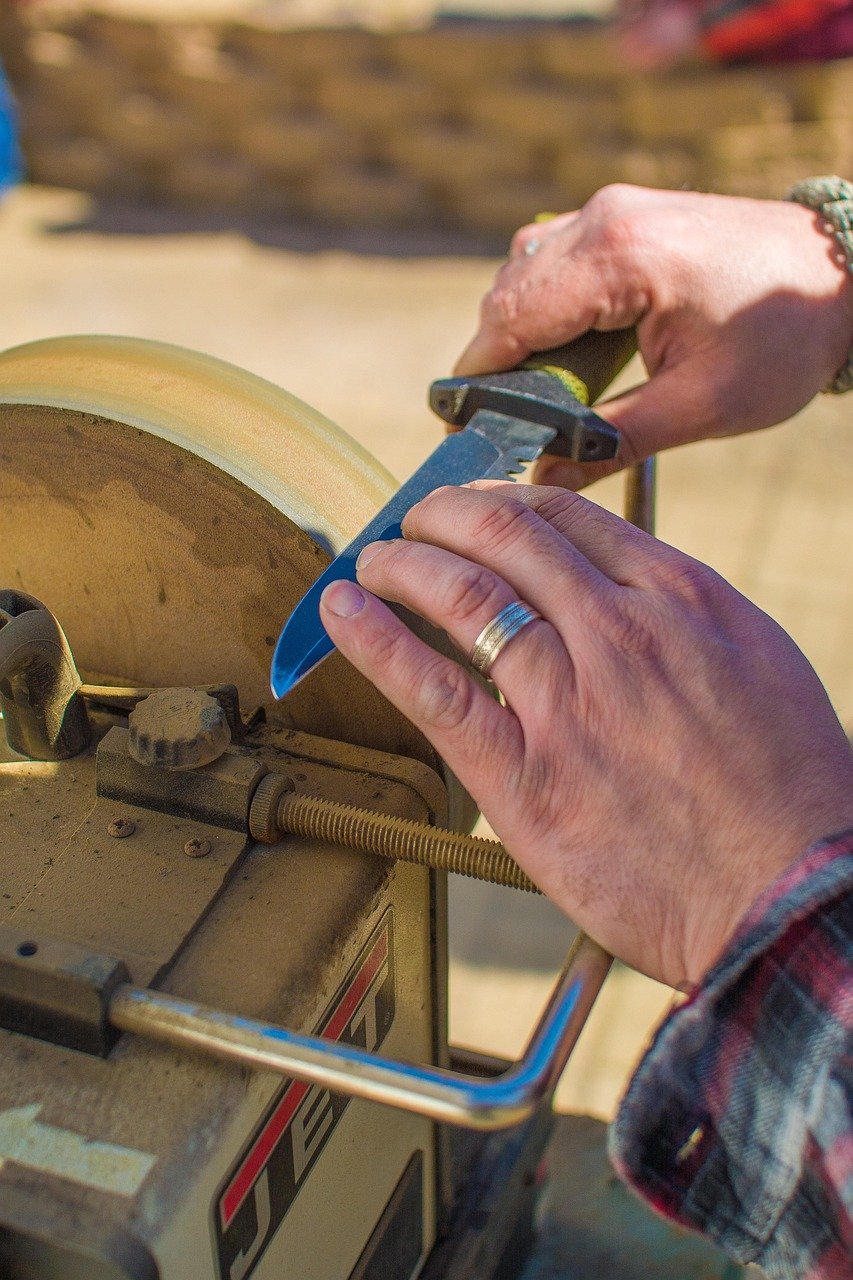
A sharp knife is characterized by a fine edge that cleanly slices through food with minimal force. In contrast, a dull knife requires excessive pressure to cut, leading to uneven slices or the tearing of food fibers. This difference in performance is not just a matter of convenience; it plays a critical role in food safety.
The Connection Between Dull Knives and Food Safety
Increased Risk of Accidents
Dull knives can lead to accidents in the kitchen. The user often applies more force than necessary, which can cause slips and cuts. According to various kitchen safety studies, dull knives are responsible for a significant number of kitchen injuries. A sharp knife allows for controlled slicing and reduces the likelihood of the knife slipping off the food, thus minimizing injury risks.Improper Food Cuts
Using a dull knife can result in irregular cuts, which affects cooking times and food safety. For example, a dull knife might tear meat fibers instead of slicing through them cleanly, which can lead to uneven cooking. Under-cooked sections can harbor harmful bacteria, potentially leading to foodborne illnesses. Proper knife efficiency ensures even cooking, reducing the risk of bacterial growth.Bacterial Transfer
A dull knife can create more surface area on a cut, allowing bacteria to thrive. When you cut vegetables or meat with a dull knife, the crushed cells create juices that can harbor bacteria. In contrast, a sharp knife cleanly separates the cells, minimizing the likelihood of spreading harmful microbes. Maintaining a sharp blade thus directly contributes to a lower risk of bacterial contamination.
Knife Maintenance as a Safety Protocol
Routine Sharpening
Chefs and culinary experts recommend sharpening knives every few uses or at least once per week, depending on the frequency of use. A consistent sharpening schedule guarantees that the knife remains in optimal condition and ready for the next culinary task without compromising safety.Using the Right Sharpening Techniques
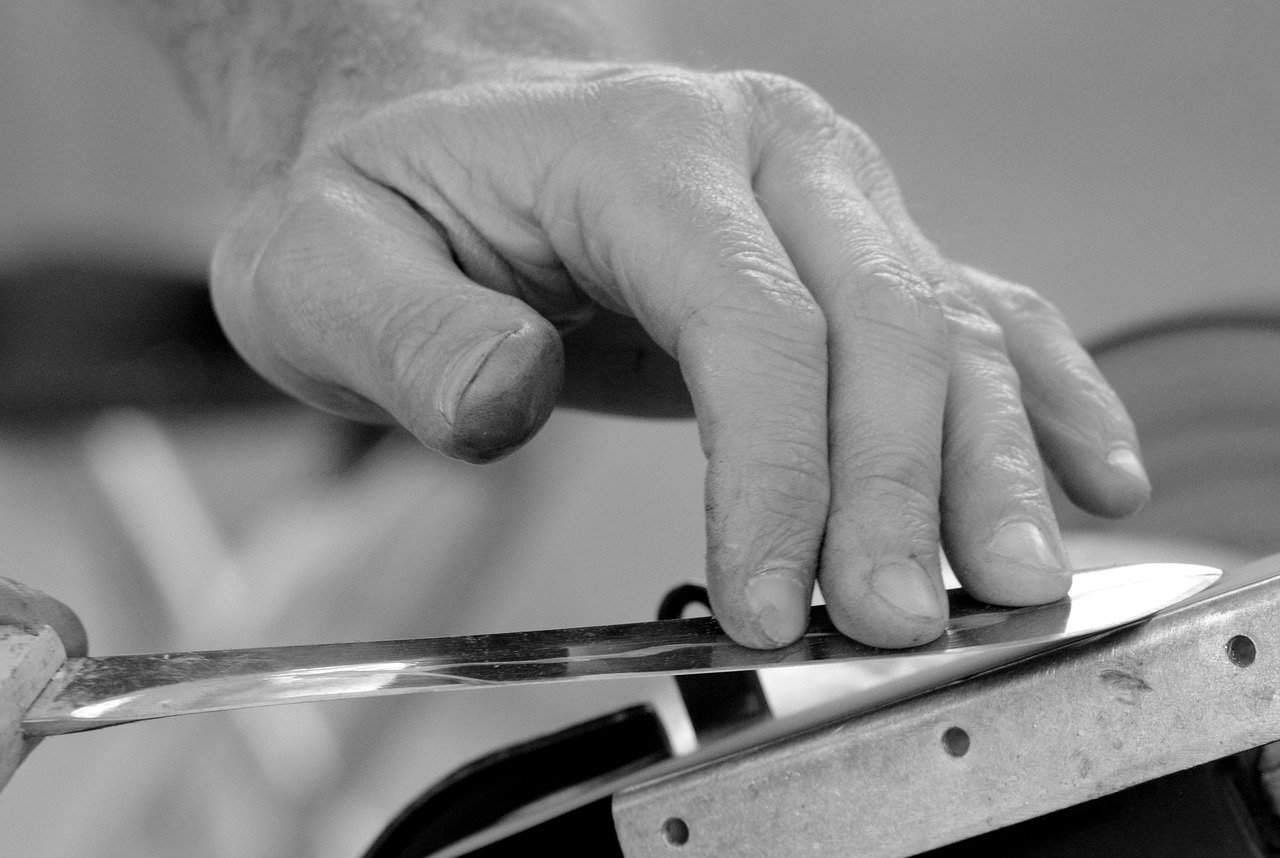
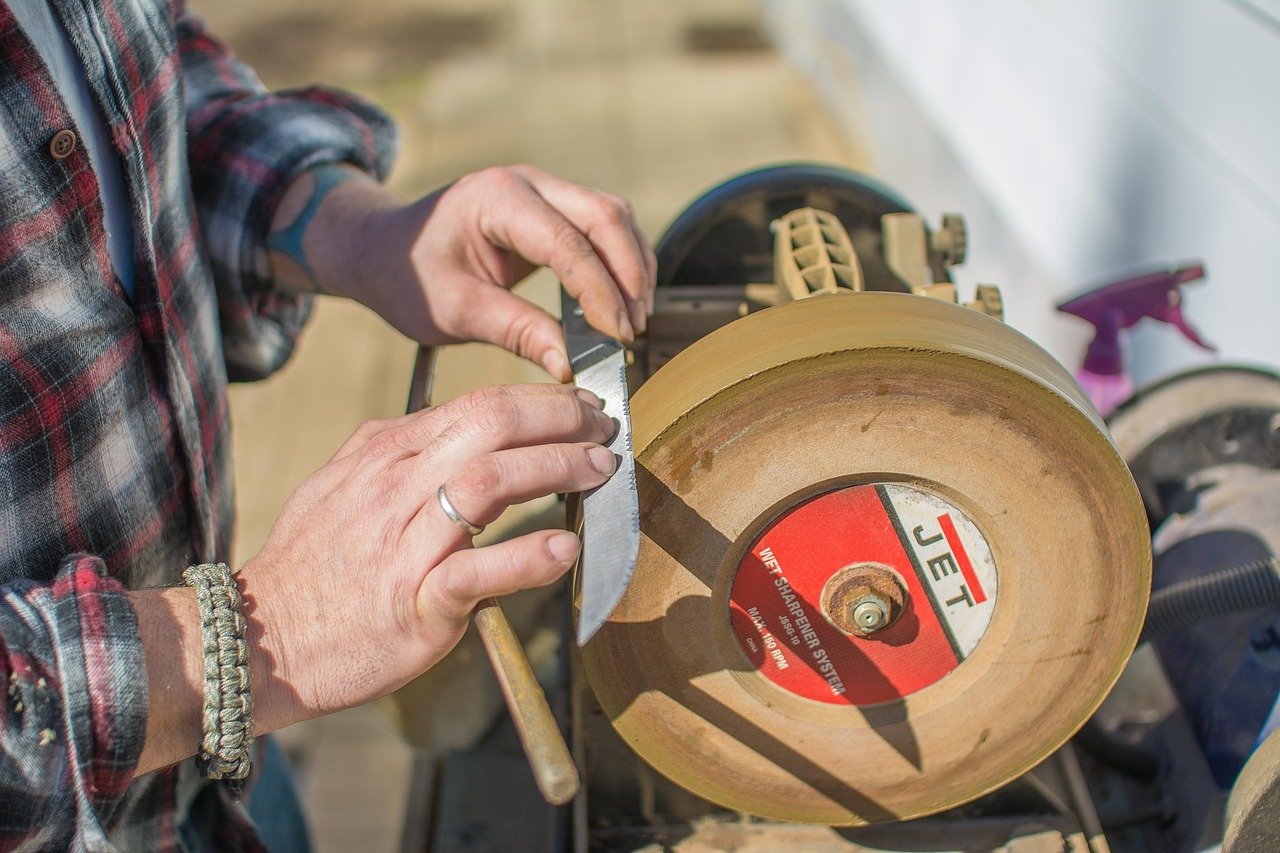
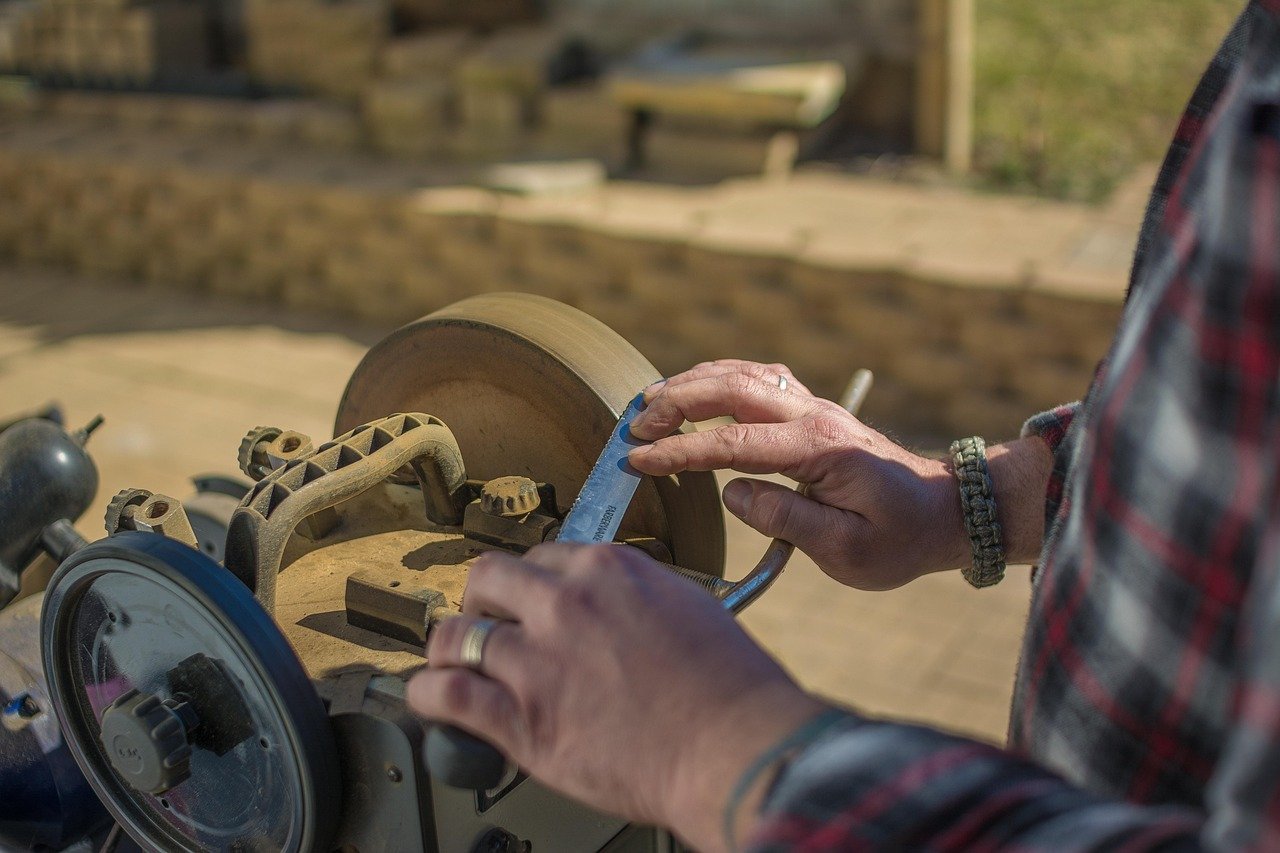
There are various methods to sharpen a knife, including whetstones, sharpening rods, and electric sharpeners. Each method has its own advantages and should be chosen based on knife type and personal preference. Learning the correct technique for sharpening is vital, as improper sharpening can lead to micro-damages on the blade, further affecting its performance and safety.Professional Sharpening Services
In addition to home sharpening, chefs often send their knives to professionals for honing and sharpening. This practice ensures that the knives receive expert care, enhancing their lifespan and maintaining safety standards.
The Economic Angle of Keeping Knives Sharp
Maintaining sharp knives may seem like an added expense, but it can save money in the long run. Dull knives often lead to more wastage; for instance, torn vegetables or mishandled meats can result in portions that cannot be used. Additionally, purchasing cheaper, disposable knives can lead to a cycle of ongoing expense, while a high-quality knife, when properly maintained, can serve a chef for years.
Enhancing Kitchen Efficiency
Speed in Food Preparation
Sharp knives significantly increase efficiency in the kitchen. Chefs can quickly prepare ingredients without excessive effort, allowing them to focus on cooking rather than battling with dull tools. A sharper knife not only quickens the cutting process but also enhances the overall cooking experience, leading to better meal outcomes.Presentation and Quality
A sharp knife creates cleaner cuts, which improve the overall presentation of a dish. Whether preparing meats, fruits, or vegetables, the appearance of the food can significantly influence a diner’s perception. Better presentation often leads to higher customer satisfaction in dining establishments, reinforcing the importance of knife maintenance.
Specific Considerations for Different Types of Knives
Chef’s Knives
As the workhorse of any kitchen, chef’s knives bear the brunt of daily tasks. Regular sharpening is vital to maintain their multi-functional capabilities, from slicing and dicing to chopping.Paring Knives
Even small knives require attention. Paring knives are often used for intricate tasks such as peeling and garnish preparation. A dull paring knife can easily lead to slips and cuts, mirroring the safety risks of larger knives.Specialty Knives
Specialty knives, such as fillet or bread knives, also benefit from regular sharpening. Because these knives are specifically designed for particular tasks, maintaining their sharp edges ensures that they perform to their capabilities while keeping food safety a priority.
Conclusion: The Overarching Necessity of Knife Sharpening
Regular sharpening of kitchen knives is a crucial aspect of food safety that cannot be overlooked. It minimizes the risk of accidents, enhances food preparation efficiency, and promotes better hygiene through reduced bacterial transfer. By being diligent about knife maintenance, chefs can ensure a safer, more efficient kitchen environment where food quality is paramount.