


Understanding the Bowie Knife
The Bowie knife is an iconic American knife known for its distinctive design and rich history. Named after the famous frontiersman Jim Bowie, this knife boasts a long, wide blade traditionally ranging from 5 to 12 inches in length, a clip point for enhanced piercing capability, and a cross-guard that provides protection for the user’s hand.
The Bowie knife serves multiple functions, making it popular among hunters, campers, and survival enthusiasts. Its balanced design allows for both slicing and chopping, and it can even be utilized in self-defense scenarios. The knife’s robust construction often features high-carbon steel, which increases durability and sharpness retention.
Blade Design
One of the most defining characteristics of the Bowie knife is its blade design. The wide blade, characterized by a distinctive “clip point” at the tip, enhances its piercing ability. The clip-point design tapers down to a sharp point, which is ideal for thrusting and stabbing motions, making it effective in both utility and combat. This aspect sets the Bowie knife apart from other knife types that may prioritize a specific function, such as slicing or chopping.
In contrast, many kitchen knives, such as chef’s knives, boast a slightly curved blade designed for effective rocking motions while chopping. Similarly, hunting knives often feature straight edge blades that facilitate skinning and gutting tasks, rather than the versatile profile of a Bowie knife.
Handle and Grip
The handle of a Bowie knife contributes significantly to its usability. Made from materials like wood, bone, or synthetic compounds, the grip is often ergonomically designed to enhance control and reduce slipping, even in wet conditions. The presence of a cross-guard is also noteworthy, as it prevents the user’s hand from slipping onto the blade during vigorous use.
Other knife types may not prioritize the cross-guard feature. For instance, pocket knives and folding knives often have simplistic designs for compactness and portability. While these types certainly serve their purpose, they may lack the robust handling capabilities exhibited by the Bowie knife, particularly in a survival or combat situation.
Weight and Balance
The weight and balance of the Bowie knife lend it an advantageous position for various applications. Typically heavier than many hunting or fishing knives, the weight allows for powerful chopping motions, while strategic balance enhances maneuverability. When wielded correctly, the Bowie knife can be just as effective for precision tasks as it is for powerful strikes.
In comparison, many light-duty knives, such as Paring knives or light-duty camping knives, prioritize quick, nimble movements over power. This may make them ideal for certain types of cutting but limits their effectiveness in self-defense or heavy-duty tasks. The balanced weight distribution of the Bowie knife allows it to excel in diverse settings, whether in the field or in combat scenarios.
Versatility
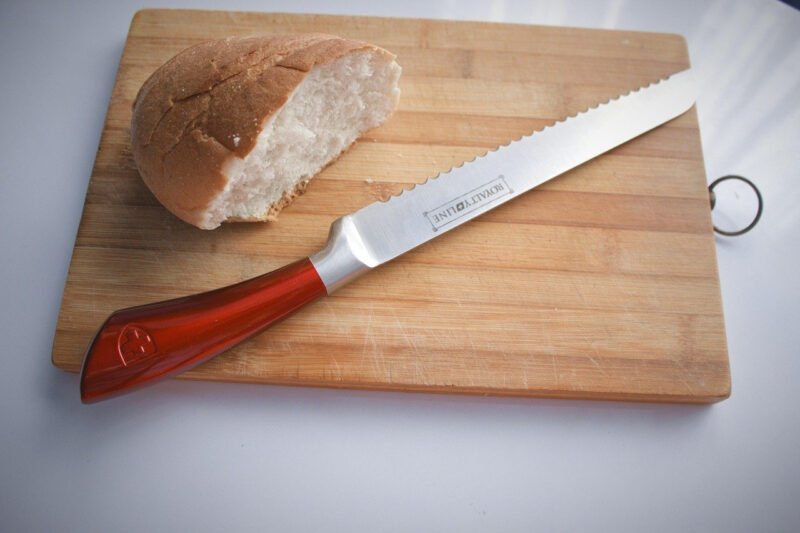
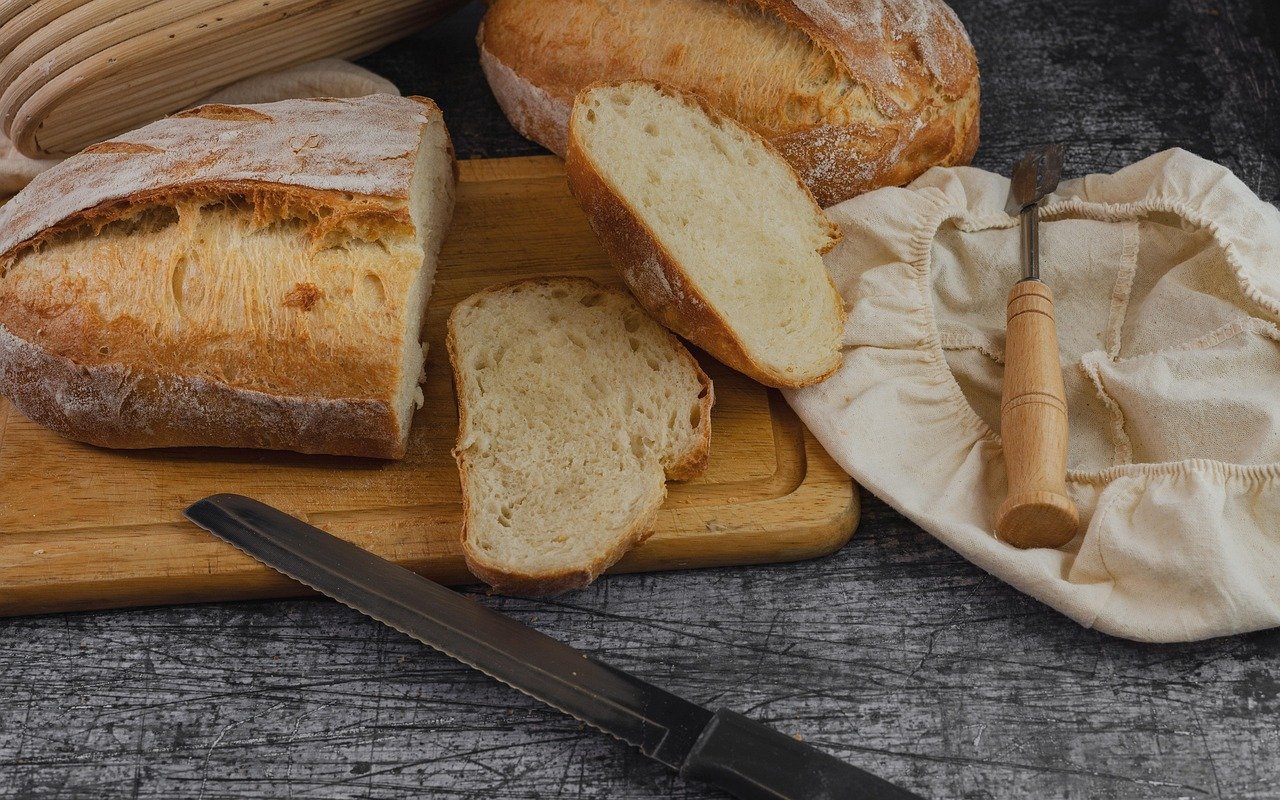
Versatility is one of the trademarks of the Bowie knife. Its design makes it suitable for numerous activities, including hunting, camping, self-defense, and even tactical situations. The ability to perform well in various functions sets it apart from specialized knives, such as fillet knives designed solely for cleaning fish or serrated bread knives dedicated to slicing through crusty loaves.
The Bowie knife can act as a multi-tool, performing tasks from slicing rope and chopping wood to preparing food. In survival situations, its usefulness becomes even clearer, as one knife can perform the roles of multiple tools, thanks to its robust blade design and superior grip.
Cultural Significance and Heritage
The Bowie knife carries with it a rich cultural significance that transcends mere functionality. Evolving through the history of America, it has become emblematic, associated with the ruggedness of frontier life and the spirit of exploration. This cultural heritage is absent in many contemporary knives, which focus nearly exclusively on the utilitarian.
For enthusiasts and collectors, the heritage of the Bowie knife can raise its value significantly. Many Bowie knives are hand-crafted by skilled artisans, often making them unique pieces, revered not only for their functionality but also for their craftsmanship and artistry. Other knife types, while functional, may lack the same cultural significance or personal touch.
Durability and Maintenance
The durability of the Bowie knife is a topic of much discussion. Typically made from high-carbon steel or stainless steel, both of which offer longevity and resilience, a well-made Bowie knife can last generations if maintained properly. The high-carbon blades are easier to sharpen and can achieve a razor-sharp edge, although they require more maintenance to prevent rust.
In contrast, many modern knives use advanced materials like ceramic or specialized stainless steel alloys designed for minimal maintenance. While these materials indeed resist corrosion effectively, they can lose their edge faster and can be more challenging to sharpen when necessary. The maintenance aspect emphasizes one of the significant differences: Bowie knife users often take pride in their ability to keep their knives sharp and functional, instilling a level of bond between user and tool that different knife types may not foster.
Legal Considerations
When discussing the Bowie knife, one must also consider legal factors. In many regions, the Bowie knife may be classified differently due to its size and design, making it subject to specific laws regarding carry and use. Different countries and states have varied laws about the legality of carrying large fixed-blade knives, which can affect Bowie knife enthusiasts.
In contrast, smaller utility knives or pocket knives are often more universally permitted, allowing for easy everyday carry without the fear of legal repercussions. For Bowie knife owners, understanding local laws is critical to ensuring responsible and legal ownership.
Conclusion
The Bowie knife stands out from other hunting and utility knives due to its unique design, versatility, durability, and cultural significance. While other knives excel in specific tasks or modern innovations, the traditional Bowie knife offers a well-rounded tool that embodies historical relevance and practical application.