


Understanding Cimeter Knives
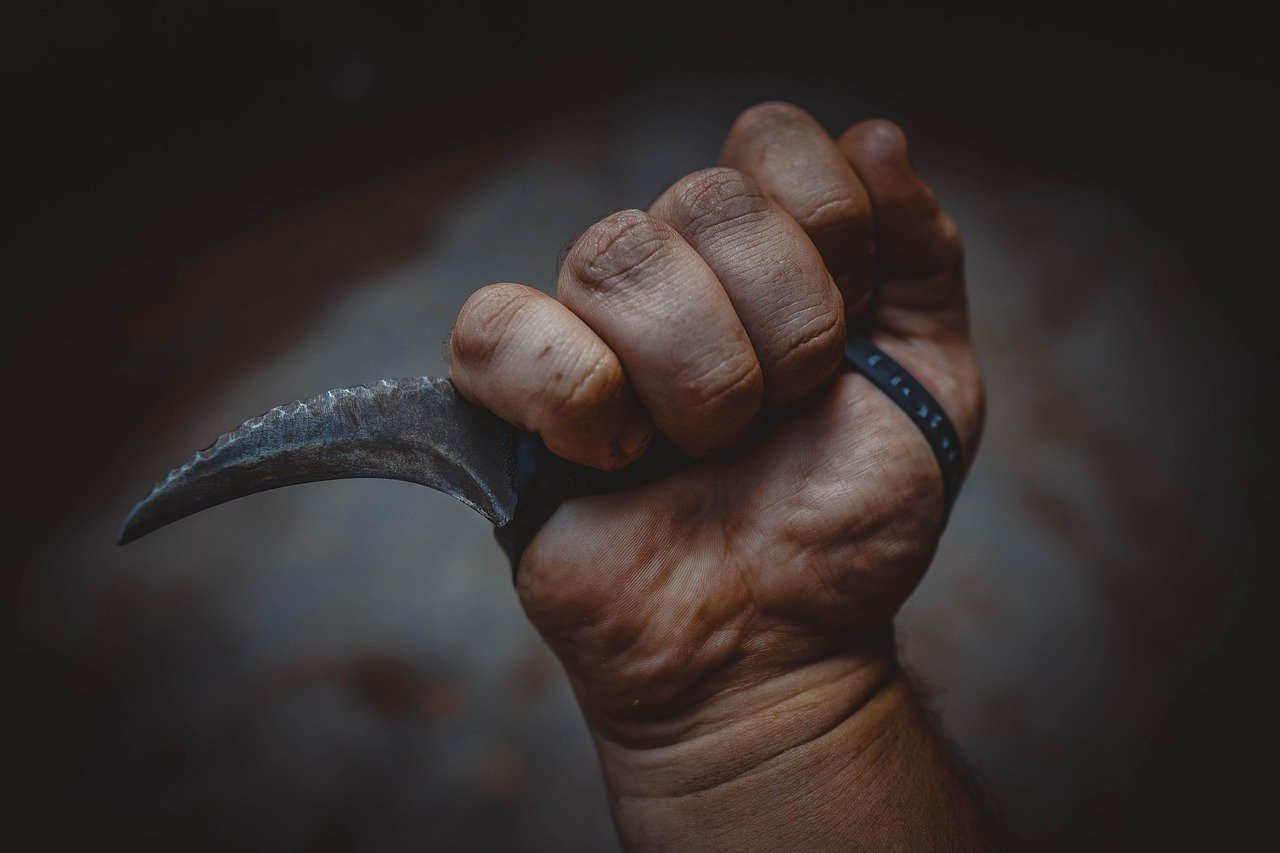
Cimeter knives, renowned in the culinary world for their unique design, possess a long, curved blade primarily used for slicing and trimming meat. Their distinct shape allows for clean, precise cuts, making them a favorite among butchers and chefs. To maintain optimal performance, proper maintenance is key. This article delves into effective techniques and practices for the care of cimeter knives, ensuring they remain sharp and reliable for years to come.
Why Sharpness Matters
A sharp knife is not only safer but also improves efficiency in the kitchen. Dull blades can slip, increase the risk of accidents, and result in jagged cuts, which may compromise the presentation of dishes. Cimeter knives, with their specialized design, are particularly dependent on sharpness for effective use. It’s essential to commit to a routine of maintenance to safeguard their sharpness.
Regular Cleaning Practices
Maintaining cimeter knives begins with proper cleaning practices. After each use, it’s crucial to wash the blade with hot, soapy water. Here’s a step-by-step guide:
- Rinse Immediately: Rinse the knife under warm water to remove any surface residue.
- Use Mild Detergent: Apply a few drops of mild detergent on a damp sponge. Avoid abrasive scrubbers which can scratch the blade.
- Gently Clean the Blade: Wipe the blade from the handle to the tip, following the blade’s natural curve. This ensures you remove debris without risking dullness.
- Dry Thoroughly: After washing, dry the knife promptly with a soft cloth to prevent corrosion, especially if your blade is made of high-carbon stainless steel.
Proper Storage Techniques
How you store your cimeter knife greatly influences its longevity and sharpness. Here are some methods to consider:
- Knife Blocks: Use a knife block specifically designed for cimeter knives. This prevents blade dulling caused by contact with other utensils.
- Magnetic Strips: These offer a stylish way to display and store your knife while keeping the edge protected.
- Sheaths or Guards: If you must store your knife in a drawer, using a sheath or a blade guard can safeguard the edge from nicks and dulling.
Sharpening Techniques
Regular sharpening is crucial for maintaining the edge of your cimeter knife. There are several methods to sharpen your knife, each suitable for different skill levels:
Whetstone: The most traditional method, using a whetstone, allows for precision sharpening. Choose a medium (1000 grit) stone for regular maintenance and a fine (3000-8000 grit) stone for polishing.
- Technique: Soak the stone for 10-15 minutes. Hold the knife at a 20-degree angle and push it across the stone from heel to tip. Repeat this process on both sides.
Honing Rod: A honing rod won’t sharpen but will align the edge. Use it between sharpens to maintain the blade’s sharpness.
- Technique: Hold the honing rod vertically. Slide the blade down the rod at a 15-20 degree angle, alternating sides.
Electric Sharpeners: For those seeking convenience, electric sharpeners simplify the process. Ensure the sharpener is suited for the thickness of your cimeter knife blade.
Frequency of Sharpening
How often you sharpen your knife depends on usage. For professional chefs, daily sharpening may be necessary, while home cooks may find weekly or monthly sharpening sufficient. Always assess the blade’s sharpness before use by gently slicing through paper or a soft tomato. If the blade struggles, it’s time to sharpen.
Avoiding Common Mistakes
Even seasoned cooks can make mistakes that compromise a knife’s integrity. Here are some common pitfalls to avoid:
- Using Glass or Stone Cutting Boards: These surfaces can rapidly dull the blade. Opt for wood or plastic boards instead.
- Dishwashers: The harsh environment of dishwashers can damage both the blade and handle. Hand wash instead.
- Cutting Frozen Foods: This strains the blade and can lead to chipping or breakage. Thaw items before cutting.
Professional Sharpening Services
If you’re uncomfortable sharpening your cimeter knife yourself, professional services exist that specialize in knife sharpening. Utilizing these experts can be particularly beneficial for costly or high-quality blades, as they employ advanced techniques and machinery to ensure optimal sharpening.
Recognizing When to Retire a Knife
Despite meticulous care, there comes a time when even the best-maintained cimeter knife may need to be replaced. Signs include:
- Significant Nicks: Frequent nicks or chips in the blade may render it ineffective.
- Corrosion: Rust or significant discoloration can are indicators that the integrity of the blade is compromised.
- Handle Damage: A cracked or loose handle can be a safety hazard and compromise the effectiveness of your knife.
Chemical Care Products
While simple soap and water are effective for regular cleaning, specific chemical products can enhance the longevity of your knife. Look for:
- Blade Oil: A light mineral oil can prevent rust formation on high-carbon steel blades.
- Polish: A gentle metal polish can rejuvenate the surface of your knife, enhancing its appearance and protecting it against corrosion.
Understanding Blade Materials
Cimeter knives are frequently made from various types of stainless steel or high carbon steel, each with distinct needs for maintenance. Most high-carbon blades offer better edge retention but require more vigilant care against rust. Understanding the material helps tailor your maintenance routine.
Habits for Long-lasting Sharpness
Creating and maintaining consistent knife care habits is essential. Here are some recommended practices:
- Knife Specificity: Use your cimeter knife only for its intended purpose – primarily meats. Avoid cutting through bones or frozen foods to preserve edge integrity.
- Routine Checks: Establish a habit of visually inspecting your knife before use to identify potential issues and assess sharpness.
- Training and Education: If you cook regularly, consider taking a knife skills class to boost your comprehension of proper techniques and care.
Conclusion of Maintenance Practices
With intentional care and attention, your cimeter knife can provide exceptional results in the kitchen for many years. Implementing these maintenance tips will ensure that the knife remains sharp, safe, and a reliable tool in your cooking arsenal. Whether you’re a professional or a dedicated home cook, proper maintenance reflects both your commitment to quality and the respect you have for your culinary craft.