


Understanding Your Clam Knife
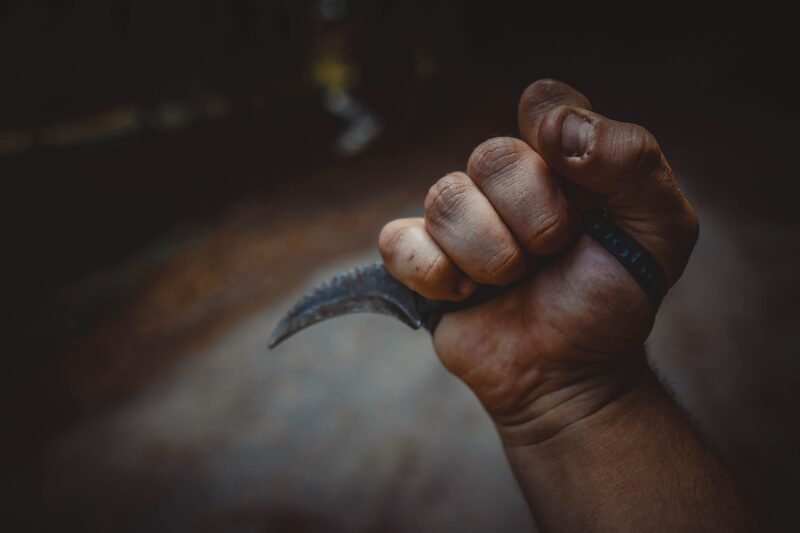
A clam knife is an essential tool for shellfish enthusiasts and professional harvesters alike. The design typically features a sturdy handle and a tapered blade, allowing for easy shucking of clams and other shellfish. However, to maximize its lifespan and performance, proper maintenance is crucial.
Types of Clam Knives
Before diving into maintenance, it’s important to understand that not all clam knives are created equal. There are several types, including:
Traditional Clam Knife: Features a short, blunt blade designed for opening tough shells without damaging the meat inside.
Long Blade Clam Knife: This version often has a longer blade for more reach, popular among those who shuck large quantities of clams.
Flexible Clam Knife: Designed for versatility, this knife features a blade with a slight bend for superior maneuverability.
Each knife type may require slightly different maintenance methods, so it’s essential to identify your specific model.
Cleaning Your Clam Knife
Regular Cleaning After Use
Rinse Immediately: After using your clam knife, rinse it under warm water to remove any residual clam juice or debris.
Mild Soap: Use a mild dish soap and a soft sponge to clean the knife thoroughly. Avoid abrasive pads that can scratch the blade and handle.
Drying: Ensure you dry the knife completely with a soft cloth to prevent rust, particularly on stainless steel models. Rust can compromise performance and lead to corrosion.
Avoid Soaking: Never soak your clam knife in water, as prolonged exposure can weaken the handle material or damage the blade design.
Storing Your Clam Knife
Proper storage of your clam knife is essential for maintaining its condition.
Knife Sheath: Use a knife sheath or wrap the knife in a cloth to protect the blade and handle from dust and damage.
Cool, Dry Place: Store the knife in a cool, dry environment. Avoid areas with high humidity which can promote rust.
Avoid Contact with Other Metal Items: If storing in a drawer, use a dedicated space to prevent the blade from contacting other metal objects, which could dull the edge.
Sharpening Your Clam Knife
A sharp blade is vital for effective clam shucking.
Frequency: Regularly inspect your knife for dullness. A good rule of thumb is to sharpen it after every few uses or when you notice it has become less effective.
Whetstone: Use a whetstone for sharpening. Soak the stone in water for about 10 minutes before use, then hold the blade at a 20-degree angle and move it across the stone in a careful motion.
Honing Rod: A honing rod can be used between sharpenings to realign the edge. Run the blade gently against the rod about 10 times per side.
Test for Sharpness: To test sharpness, carefully slice through a piece of paper. A clean cut indicates the knife is sharp enough for clam shucking.
Inspecting for Damage
Regular inspections are beneficial for prolonging the life of your clam knife.
Check the Blade: Look for any nicks, chips, or bends. If any damage is found, it may require professional sharpening or replacement.
Examine the Handle: Ensure the handle is secure. Any wobbling or loose parts can lead to accidents. Using epoxy or wood glue can fix minor handle issues.
Blade Alignment: Make sure the blade is aligned properly with the handle. A misaligned blade can lead to ineffective shucking and may be dangerous.
Rust Prevention
Even stainless steel knives can rust if not maintained properly.
Oil Application: To prevent rust, lightly oil the blade with food-safe mineral oil after cleaning and drying. This protective layer helps safeguard against moisture.
Climate Control: Keep your tools in a stable temperature environment to minimize the risk of condensation and rust formation.
Check Regularly: Regular maintenance checks will allow you to catch rust spots early, which can be easily removed with a rust eraser or fine steel wool.
Maintaining the Finish
Maintaining the aesthetic of your clam knife can also contribute to its longevity.
Polishing: Apply a mild metal polish to restore shine and remove tarnish. Use a soft cloth to buff the blade carefully.
Avoid Harsh Chemicals: Never use bleach or harsh chemicals that can damage both the blade and the handle materials.
Upgrading Clam Knife Hardware
Even the best knife can sometimes benefit from upgrades.
Replacement Handles: If the handle becomes damaged, consider replacing it with a new one made from durable materials such as plastic or rubberized grips for better traction.
Custom Blades: For enthusiasts, exploring custom blade options with specialized designs may enhance performance.
Educating Yourself on Best Practices
Understanding the science behind your clam knife can lead to better maintenance.
Material Research: Different materials react differently to maintenance techniques. Research and adapt your care to the specific type of steel or composite material in your clam knife.
Follow Manufacturer’s Instructions: Always refer to the manufacturer’s guidelines for specific care and maintenance instructions tailored to your clam knife.
Enhancing Your Clam Shucking Skills
Sharp and well-maintained tools provide the best foundation for improving your clam shucking technique.
Practice: The more you practice, the better you’ll become at using your clam knife efficiently.
Workshops and Classes: Consider attending local workshops or classes on shellfish harvesting. Many provide tips on not only maintenance but also effective shucking techniques.
Joining Communities: Engage with online forums or local shellfishing clubs to share best practices and learn from experienced clam enthusiasts.
Final Insights
When it comes to clam knife maintenance, adopting a proactive approach to cleaning, sharpening, and inspecting your knife will ensure a reliable and effective shellfishing experience. By understanding the nuances of your specific tool and following best practices, you can keep your clam knife in optimal condition for years to come. Regular attention to its upkeep not only enhances performance but also contributes to a safer and more enjoyable clam harvesting journey.