



Comprehensive Guide to Combat Knives
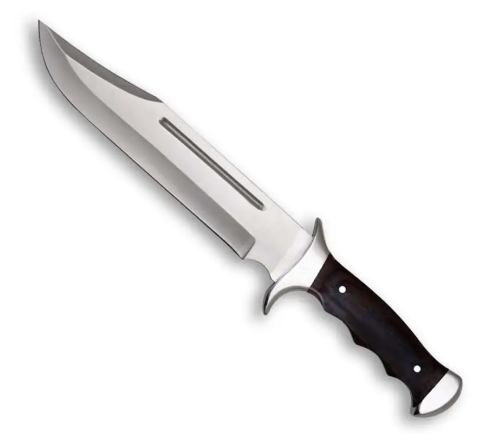
Combat knives are purpose-built instruments crafted specifically for close-range confrontations. Unlike everyday utility knives, these blades are optimized for self-defense and tactical engagements. Gaining insight into the key components of a combat knife—such as blade geometry, handle ergonomics, and construction materials—can greatly enhance your proficiency in tactical scenarios.
Varieties of Combat Knife Blades
Plain Edge Blade: Known for its clean, smooth cutting ability, this blade excels in precision slicing and general versatility.
Serrated Edge Blade: Featuring saw-like teeth, serrated blades are adept at slicing through fibrous or tough materials, making them formidable in combat for inflicting severe wounds.
Clip Point Blade: Characterized by a concave curve near the tip, this blade type offers superior piercing capability and fine control for detailed tasks.
Tanto Blade: Renowned for its reinforced tip, the tanto blade is favored by tactical professionals for powerful thrusting and durability.
Drop Point Blade: This blade design balances a robust tip with a wide cutting edge, suitable for a broad range of cutting and piercing applications.
Effective Knife Grips for Combat
How you hold your knife directly impacts your control and reaction speed during an encounter.
Hammer Grip: This grip mimics holding a hammer, providing strong downward force ideal for stabbing and slashing.
Reverse Grip: Holding the knife with the blade pointing backward can catch opponents off guard and offers protective advantages for your forearm.
Edge-In Grip: Positioned with the blade edge facing inward, this grip is excellent for defensive moves and quick counterattacks.
Blade-Up Grip: Holding the knife with the blade pointing upward allows for deceptive movements and precise targeting of vital points.
Mastering Defensive Maneuvers
Building a solid foundation in defensive tactics is essential for anyone carrying a combat knife.
Deflecting Strikes: Use your blade to parry and redirect incoming attacks, creating openings for counterattacks.
Blocking Techniques: Employ firm blocks with your forearm and knife to absorb and neutralize strikes effectively.
Dynamic Footwork: Maintain constant movement to evade attacks, using lateral steps and angles to reduce your exposure.
Evasive Actions: Incorporate tactical maneuvers such as rolls, drops, and lunges to avoid strikes and reposition advantageously.
Offensive Strategies with a Combat Knife
Proficiency in offensive techniques is key to gaining the upper hand in confrontations.
Targeted Stabbing: Focus thrusts on critical areas like the torso or neck, leveraging body weight to maximize impact.
Slashing Attacks: Execute broad, sweeping cuts aimed at disabling or deterring an adversary.
Switching Grips: Seamlessly alternate between grips such as hammer and reverse to confuse opponents and create attack opportunities.
Varied Attack Angles: Strike from unexpected high or low angles to break through defenses and maintain unpredictability.
Techniques for Controlling an Opponent
Control tactics allow you to dominate your adversary while maintaining effective use of your knife.
Wrist Manipulation: Secure your opponent’s wrist to restrict their movements and set up precise strikes.
Choke Applications: Use the knife’s position near the throat to enforce compliance without resorting to stabbing.
Weapon Disarmament: Apply leverage and body mechanics to wrest weapons away from attackers.
Joint Locking: Employ joint locks to immobilize opponents while retaining control of your blade.
Optimizing Tactical Training
Structured and consistent training is vital for mastering combat knife skills.
Repetitive Drills: Regular practice builds muscle memory and prepares you for real-life encounters.
Partner Sparring: Training with others simulates unpredictable combat conditions, enhancing adaptability.
Disarm Practice: Frequent drills on disarming techniques boost confidence against armed adversaries.
Environmental Awareness: Cultivate keen situational awareness to anticipate threats and respond effectively.
Legal and Moral Responsibilities
Being informed about the legal and ethical aspects of carrying and using a combat knife is crucial.
Local Legislation: Knife laws differ widely; ensure you understand the regulations in your jurisdiction regarding possession and use.
Self-Defense Laws: Familiarize yourself with what legally constitutes self-defense to avoid complications.
Ethical Use: Reserve knife use for last-resort self-defense situations, prioritizing peaceful conflict resolution whenever possible.
Professional Instruction: Train under certified experts to learn techniques that comply with legal and ethical standards.
Maintaining Your Combat Knife
Proper upkeep ensures your knife remains reliable and effective over time.
Consistent Sharpening: Use quality sharpening tools or services to keep the blade razor-sharp.
Thorough Cleaning: After use, clean your knife to remove dirt and prevent corrosion.
Lubrication: Apply suitable oils to hinges and moving parts, especially on folding knives, to maintain smooth operation.
Safe Storage: Store knives securely to prevent accidents, particularly in homes with children.
Building Mental Fortitude
Psychological readiness is as important as physical skill in combat situations.
Visualization Techniques: Mentally rehearse successful outcomes to boost confidence and preparedness.
Managing Stress: Develop strategies like controlled breathing to stay calm under pressure.
Realistic Scenario Training: Engage in drills that simulate high-stress encounters to condition your responses.
Consistent Commitment: Maintain a regular training routine that balances physical and mental conditioning.
Further Educational Resources
Expand your knowledge and skills through diverse learning platforms.
Specialized Literature: Explore authoritative books and manuals on knife combat and self-defense tactics.
Virtual Training Programs: Enroll in online courses taught by experienced instructors covering both technical and strategic aspects.
Instructional Videos: Study demonstrations from martial arts experts on platforms like YouTube to diversify your techniques.
Workshops and Seminars: Participate in live sessions for hands-on learning and immediate feedback.
Community Involvement: Join local martial arts or self-defense groups to practice and learn collaboratively.
Advanced Tips and Strategies
Flexibility in Approach: Adapt your tactics dynamically to suit evolving combat situations, keeping opponents off balance.
Continuous Research: Stay informed about new combat methodologies that integrate knife skills with other martial disciplines.
Analyzing Real Encounters: Review footage of actual knife engagements or martial arts exhibitions to glean practical insights.
Ongoing Self-Assessment: Regularly evaluate your abilities and adjust your training to address weaknesses and enhance strengths.
Arming yourself with both the physical techniques and mental strategies outlined here will empower you to wield a combat knife with skill, confidence, and responsibility.