


Electric Knife Sharpeners
Overview and Functionality
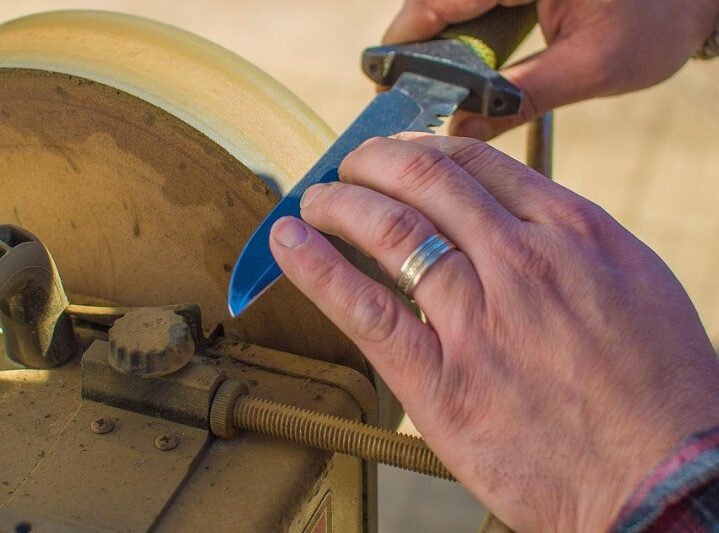
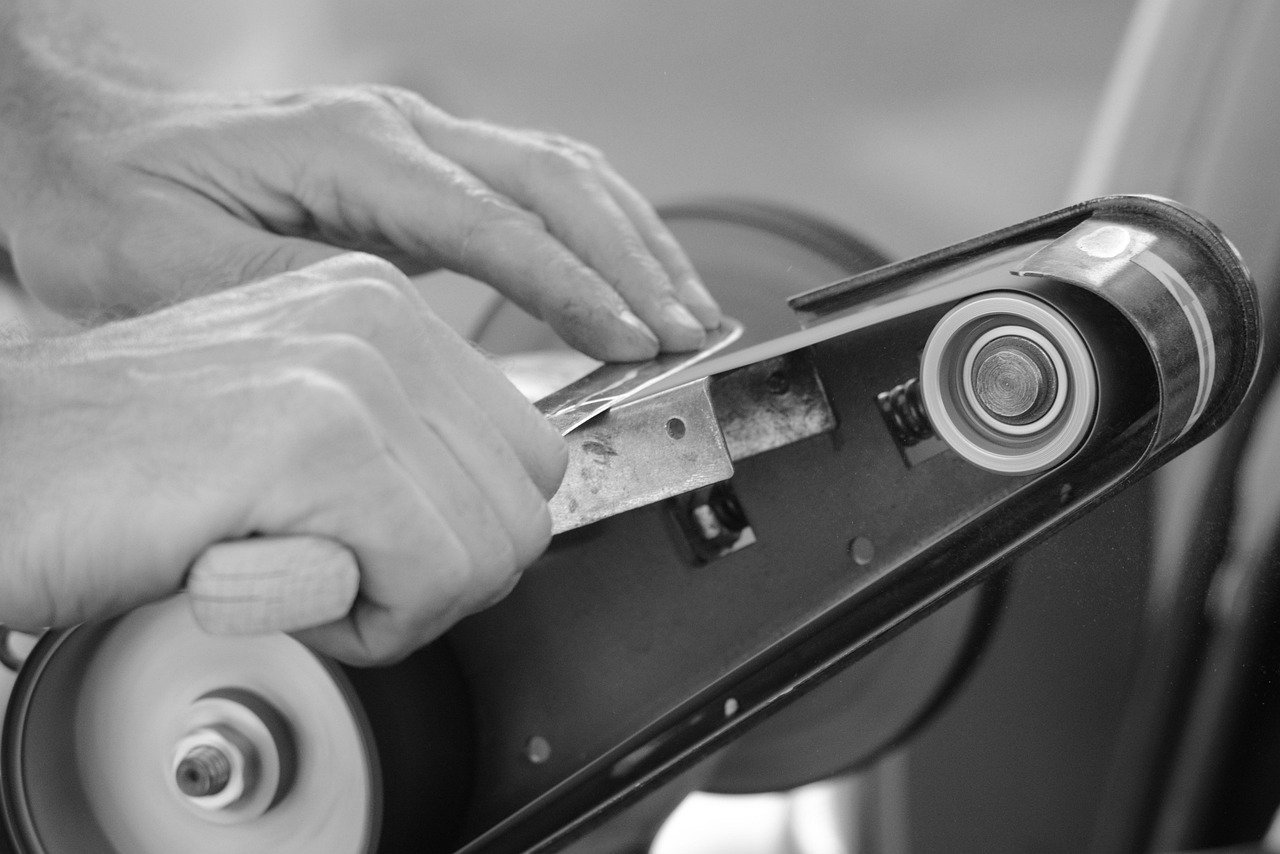
Electric knife sharpeners utilize motorized systems to sharpen blades quickly and efficiently. They are designed with multiple abrasive stages, typically consisting of coarser materials for grinding and finer materials for honing. This tiered approach allows users to achieve a sharp edge with minimal effort.
Advantages
- Speed and Efficiency: Electric sharpeners can sharpen knives in just a few minutes, making them ideal for busy kitchens.
- Ease of Use: With little manual effort, even novice users can achieve satisfactory results.
- Consistent Results: Electric sharpeners provide a uniform sharpening angle, which can be challenging to achieve manually.
Disadvantages
- Cost: Electric models are often more expensive than manual sharpeners.
- Portability: The need for an electrical outlet can limit where they can be used.
- Potential for Damage: Improper use can lead to over-sharpening and damage to blades, especially if the device lacks quality mechanisms to limit pressure.
Types of Electric Knife Sharpeners
- Straight Edge Sharpeners: Designed specifically for traditional chef knives, offering guided sharpening angles.
- Multi-Purpose Sharpeners: Suitable for serrated blades and various types of knives, although specialized sharpeners often yield better results.
- Professional Models: Higher-end options provide multiple stages and customizable sharpening angles, catering to culinary professionals.
Manual Knife Sharpeners
Overview and Functionality
Manual knife sharpeners come in various types, including handheld sharpeners, sharpening stones, and honing rods. They require user input to maintain the desired sharpening angle and pressure, which allows for more personalized control over the sharpening process.
Advantages
- Cost-Effective: Generally, manual sharpeners are more affordable than electric options, making them accessible for budget-conscious consumers.
- Portability: No need for electrical outlets, making them easy to use everywhere, including outdoor settings.
- Precision Control: Users have the freedom to adjust pressure and angles based on their familiarity with their knives.
Disadvantages
- Time-Consuming: Sharpening by hand can take longer than electric methods.
- Skill Required: Achieving a consistently sharp edge requires practice and knowledge of proper technique.
- Inconsistent Results: Without experience, it’s easy to apply incorrect angles or pressure, resulting in uneven sharpening.
Types of Manual Knife Sharpeners
- Honing Rods: Used primarily to maintain blade sharpness rather than to sharpen dulled knives, honing rods re-align the edge of the blade.
- Sharpening Stones: Available in various grits, these require skill and technique but offer excellent precision and versatility.
- Pull-Through Sharpeners: Easy to use, these consist of two ceramic or metal rods inside a guided slot to sharpen knives.
Factors to Consider When Choosing Between Electric and Manual Sharpeners
1. Skill Level
- Novices may prefer electric sharpeners for their ease of use, while experienced cooks might opt for manual sharpeners for the control they afford.
2. Type of Knives
- If you predominantly use traditional chef knives, both types can work well. However, specialized knives like serrated or filleting knives may benefit from electric models or dedicated manual sharpeners.
3. Frequency of Use
- For those who regularly utilize their knives, an electric sharpener can save time in the long run. Conversely, occasional users might find manual sharpeners sufficient.
4. Budget
- Electric sharpeners generally come at a higher price point. If finances are tight, manual options provide effectiveness without a significant investment.
5. Maintenance and Care
- Electric sharpeners may require more maintenance due to their mechanical parts. Manual sharpeners, particularly stones, can last a long time if properly cared for, requiring only cleaning and occasional replacement.
Safety Considerations
When using any type of knife sharpener, safety should be a priority. Electric sharpeners should come with guards to prevent injury during operation. Manual sharpeners can lead to cuts if the user isn’t cautious with the blade. Proper technique and careful handling are crucial to prevent accidents and maintain the integrity of the knife and sharpener.
Maintenance Tips for Electric and Manual Sharpeners
- Electric Sharpeners: Regularly check for wear on the grinding wheels. Clean debris from the device after each use, and ensure it is switched off and unplugged during maintenance.
- Manual Sharpeners: Clean sharpening stones with water and a soft brush; let them dry to avoid mold. Honing rods should be wiped down to maintain surface integrity.
Conclusion: Which is Right for You?
While this guide doesn’t explicitly conclude, weighing the preferences for sharpening knives involves considering factors such as ease of use, knife types, and personal skill level. Electric sharpeners provide quick, uniform edges, while manual sharpeners offer precision and control. Ultimately, the choice depends on individual needs, budgets, and lifestyle demands. It’s always a good idea to experiment with different types to find what works best for your culinary experience.