


The Origins of the Swiss Army Knife
The Swiss Army Knife, a multifaceted tool revered worldwide, has roots tracing back to the late 19th century. The initial concept emerged in 1891 when a Swiss company, Victorinox, began producing a “soldier’s knife” for the Swiss Army. This multi-tool was designed to equip soldiers with a compact device capable of performing various tasks, from opening cans to repairing firearms.
Initially, the soldier’s knife consisted of a simple blade, a screwdriver, and a can opener. The need for a reliable, all-in-one tool became evident as Swiss soldiers required effective solutions in the field. The term “Swiss Army Knife” is believed to have originated in the United States during World War II, though it was already widely known in Switzerland as the “offiziersmesser” or officer’s knife.
Evolution Through War
The Swiss Army Knife gained prominence during the two World Wars, cementing its place in military history. In World War I, the knife’s design was refined, introducing additional tools such as reamers and corkscrews. These adaptations were crucial for soldiers whose duties went beyond combat to include cooking and general maintenance.
World War II further propelled the Swiss Army knife’s evolution. The United States military adopted the knife for troops, leading to increased visibility. The design underwent various improvements, resulting in multiple models that catered to diverse needs. As soldiers returned home post-war, the knife transitioned from a military tool to a popular everyday item.
Victorinox vs. Wenger: The Competitors
Two significant players in the Swiss Army knife world are Victorinox and Wenger. Founded in 1884, Victorinox began as a small cutlery workshop run by Karl Elsener. The company’s commitment to producing high-quality knives earned it a timeless reputation. The incorporation of the Swiss cross logo in 1909 distinguished Victorinox products, marking them as emblematic of Swiss craftsmanship.
Wenger, established in 1893, also produced Swiss Army knives alongside Victorinox. Known for their innovative designs and features, Wenger introduced models that complemented Victorinox’s offerings. The rivalry led to intense competition, culminating in a merger in 2005. Post-merger, Victorinox maintained the Wenger brand, capitalizing on their collective legacy.
Design and Features
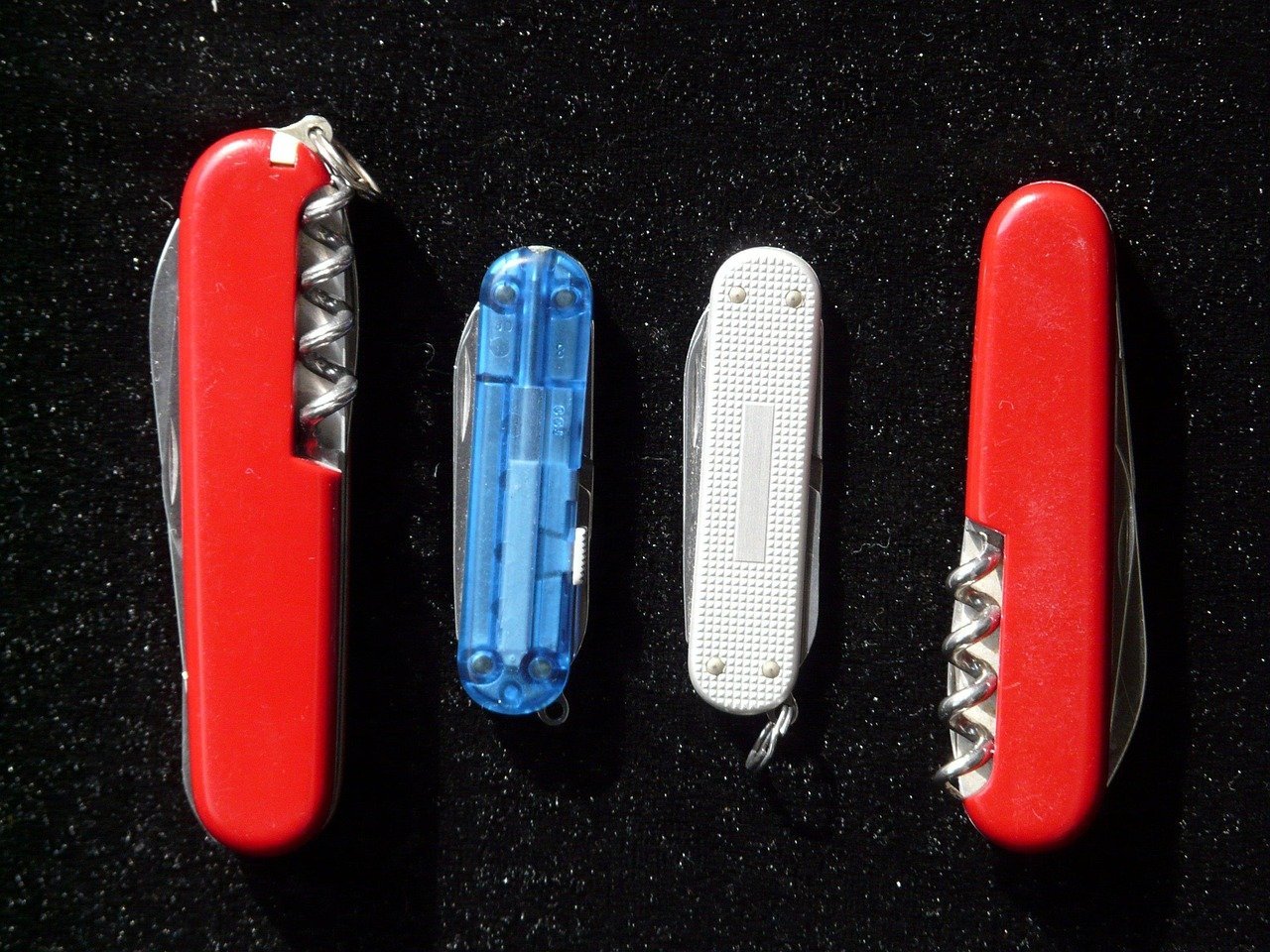
The Swiss Army Knife is defined by its ingenuity in design. A typical model hosts numerous tools, including blades, scissors, screwdrivers, and a multitude of attachments catering to outdoor enthusiasts, electricians, and everyday users alike. The tools are ingeniously tucked within the knife’s handles, which are often made from high-quality materials like stainless steel and durable synthetic fibers.
The classic model features a large blade, a small blade, a can opener, a bottle opener, a screwdriver, and various tools suitable for numerous tasks. Over time, specialized versions have emerged, such as the Fisherman’s Knife featuring fish-specific tools, or the Pioneer model tailored for outdoor adventurers.
Cultural Impact and Popularity
The Swiss Army Knife has evolved from a practical tool into a cultural icon. It symbolizes adventure, preparedness, and Swiss precision. Popularity surged in the late 20th century, as outdoor activities gained momentum. Hikers, campers, and emergency responders embraced the knife due to its versatility.
Movies and media have further immortalized the Swiss Army Knife. Its appearance in iconic films and television shows has helped cement its association with ingenuity and survival. Popular figures, including explorers and celebrities, have endorsed the knife, adding to its allure as a must-have accessory.
Technological Innovations
As technology progressed, so too did the Swiss Army knife. Traditional materials were supplemented with advanced composites, leading to lighter and more durable tools. Victorinox’s introduction of the Swiss Army Knife with integrated USB flash drive exemplifies the intersection of traditional craftsmanship and modern technology.
The growing trend of customization allowed consumers to personalize their knives. Users can add features like engraved names or logos, creating a unique tool that reflects individual identity. This aspect enhanced the knife’s appeal as a thoughtful gift and a collector’s item.
Environmental Considerations
Reflecting contemporary values, Victorinox has adopted sustainable practices in knife production. The company emphasizes eco-friendly methods, from sourcing materials to waste management. Using recycled materials and conscientious energy practices aligns Swiss Army Knife production with a broader commitment to environmental stewardship.
Victorinox’s “Green” collection showcases specially designed knives that incorporate sustainable practices without compromising quality. This initiative reflects a growing trend among manufacturers to prioritize environmental health while offering high-quality products.
Maintenance and Care
Keeping your Swiss Army Knife in optimal condition is essential to ensure its longevity. Regular cleaning involves using mild soap and water, ensuring no debris remains in the joints or mechanisms. Occasionally applying lubricant to moving parts enhances performance and extends the knife’s lifespan.
Proper storage is equally key; users should keep their knives in a dry, cool environment, free from substantial temperature fluctuations. Many users opt for a protective case to prevent wear and tear, ensuring their trusty companion remains pristine.
Collectibles and Community
The Swiss Army Knife has cultivated a vibrant community of collectors and enthusiasts. Various models, particularly limited editions or those featuring unique colors and designs, attract collectors worldwide. Online forums and social media platforms have emerged, allowing aficionados to share their experiences and showcase their collections.
Special edition knives, created for commemorative events or collaborations, often hold significant value among collectors. These models can fetch impressive sums at auctions, highlighting their desirability beyond mere functionality.
The Future of the Swiss Army Knife
As the Swiss Army Knife looks toward the future, its principles remain rooted in quality, functionality, and innovation. The continued integration of technology paves the way for new models that cater to a evolving world. Innovations might include smart tools equipped with digital interfaces or enhanced safety features.
While maintaining traditional craftsmanship, companies like Victorinox and Wenger are exploring new design avenues. Collaborations with outdoor brands or tech companies could lead to fresh interpretations of the timeless Swiss Army Knife, appealing to a new generation of users.
In an ever-changing landscape, the Swiss Army Knife remains a testament to ingenuity and practicality. Its legacy, built on the foundation of quality and functionality, continues to thrive, capturing the hearts of outdoor enthusiasts, soldiers, and everyday users around the globe.