



FAQ About Blade Sharpeners: Expert Answers
1. What are blade sharpeners?
Blade sharpeners are tools designed to restore the edge of a cutting blade, making it sharper and more effective. They come in various forms, including manual sharpeners, electric sharpeners, and sharpening stones.
2. What types of blade sharpeners are available?
There are several types of blade sharpeners, including:
- Whetstones: These are flat stones used for hand sharpening. They require water or oil for lubrication.
- Honing rods: Often made of ceramic or steel, these tools realign the blade rather than sharpen it.
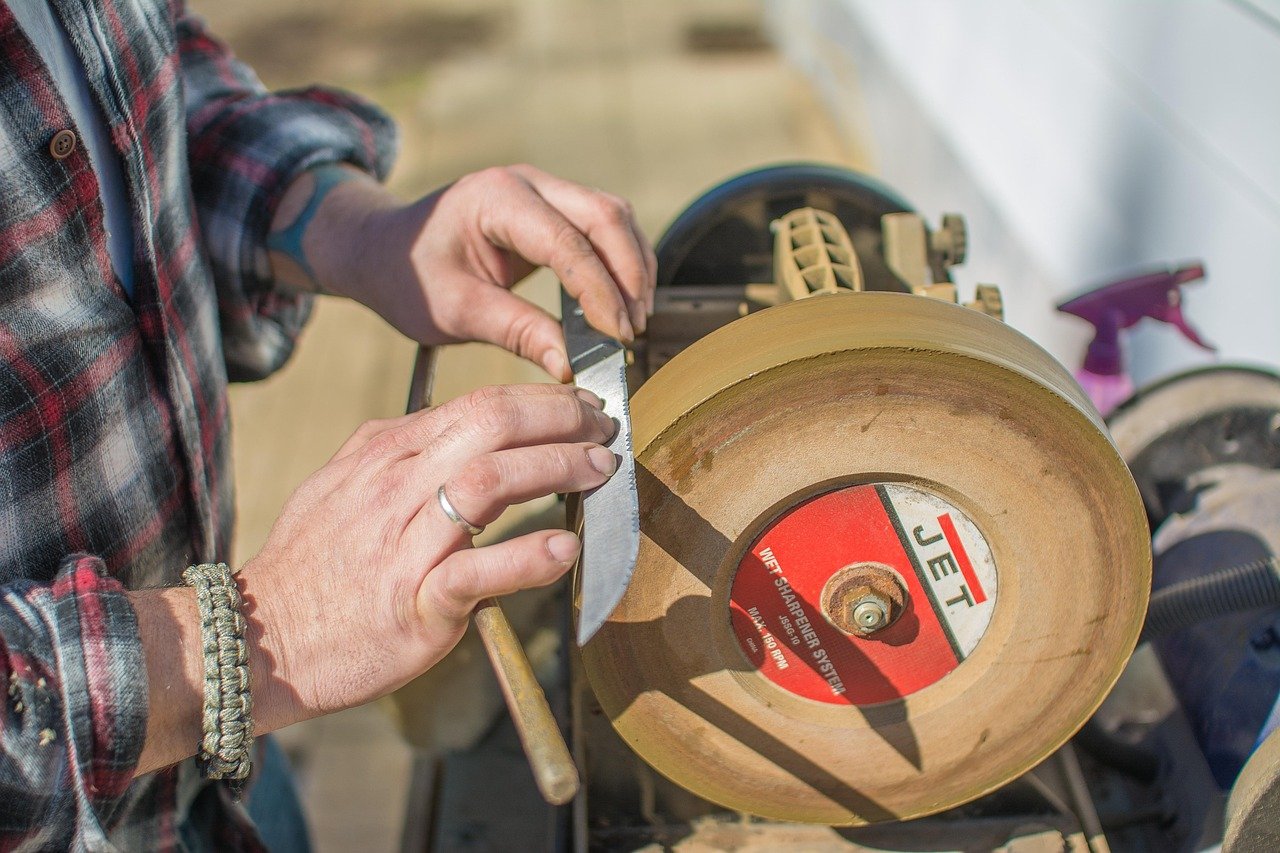
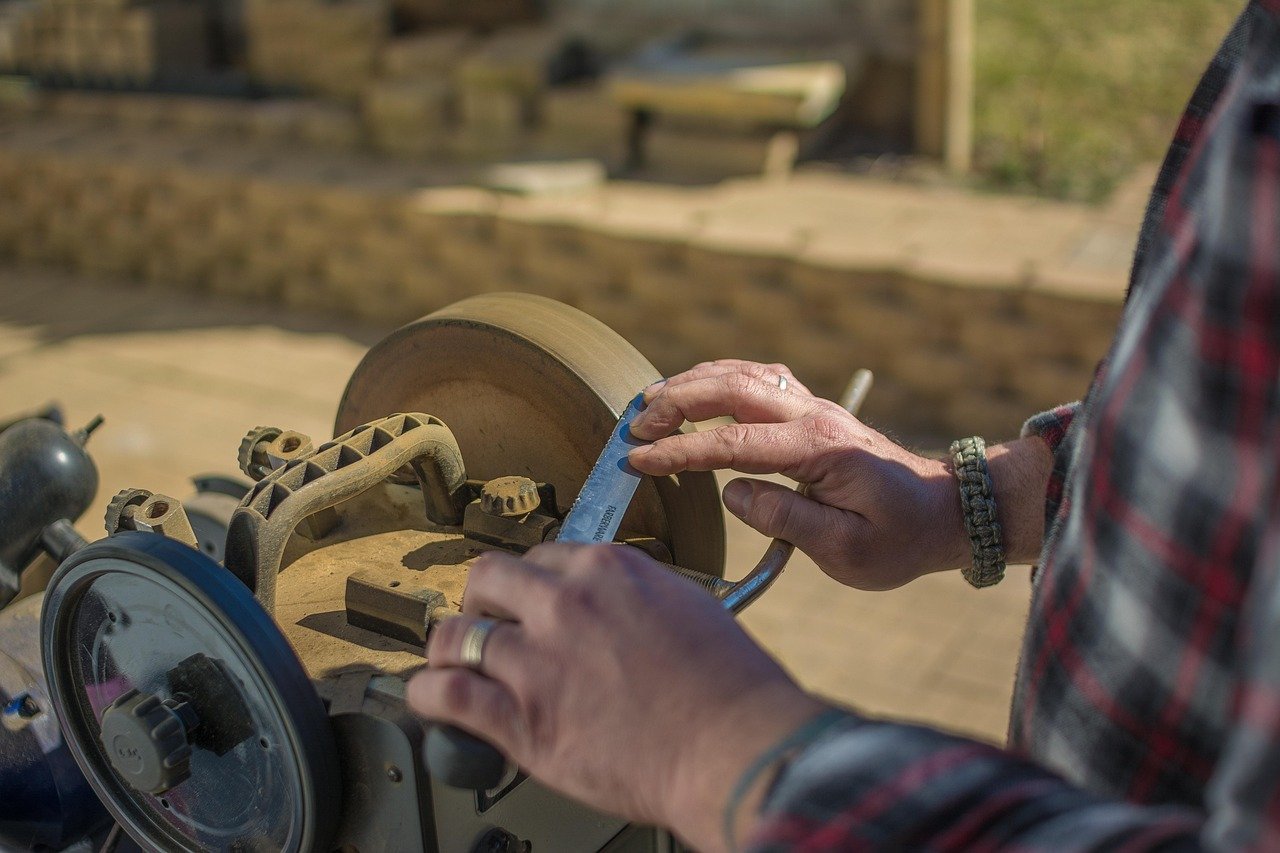
- Electric sharpeners: Automated machines that use rotating abrasive wheels to sharpen blades quickly.
- Manual pull-through sharpeners: Compact devices that require you to pull the blade through a slot with abrasive surfaces to sharpen.
- Diamond sharpeners: These sharpeners use a diamond-coated surface to grind the edge of the blade effectively.
3. How do I choose the right sharpener for my needs?
Selection depends on the type of knife and your sharpening skill level. For instance,:
- Beginners may prefer manual pull-through sharpeners for ease.
- Experienced users might opt for whetstones for precision sharpening.
- Chefs often use honing rods to maintain their knife edges in between sharpenings.
4. How often should I sharpen my blades?
Sharpening frequency varies based on usage. Regular home cooks might sharpen their kitchen knives every few months, while professional chefs may do it weekly or even daily. Honing can be done more frequently to maintain edge sharpness.
5. Can I damage my knife using a sharpener?
Yes, improper use can damage a blade. It’s essential to select the right sharpener and technique. Using a very coarse sharpener on a fine blade can lead to losing material and compromising its edge.
6. Is it better to use a whetstone or an electric sharpener?
Both have advantages. Whetstones offer more control and are ideal for achieving a specific angle, while electric sharpeners require less time and effort. Your choice should reflect your comfort level and desired outcome.
7. How do I use a whetstone correctly?
To use a whetstone:
- Soak the stone in water for about 10-15 minutes or apply honing oil.
- Hold the knife at a consistent angle (typically 15-20 degrees).
- Push the blade across the stone in a sweeping motion, then pull.
- Repeat this motion on both sides of the blade until sharp.
- Clean the blade and stone after use.
8. What’s the difference between sharpening and honing?
Sharpening changes the blade’s actual edge by grinding material away, while honing aligns the blade’s edge without removing material. Honing should be done more frequently as part of routine maintenance.
9. Can I use the same sharpener for different types of blades?
While it’s generally acceptable, it’s best practice to use specific sharpeners for specific blades. For example, ceramic or high-carbon stainless steel knives benefit from finer sharpeners, while heavy-duty tools might require coarser ones.
10. How can I tell if my knife needs sharpening?
Signs include difficulty cutting, the blade dragging instead of slicing, or visible nicks in the edge. If these issues arise, it’s time to sharpen your knives.
11. How do I maintain my blade sharpness?
Regular honing, proper cleaning, and safe storage (like using blade guards or magnetic strips) can help maintain sharpness. Avoiding cutting on hard surfaces like glass or stone also prolongs the edge’s integrity.
12. Are there portable sharpening options available?
Yes, many brands offer compact, portable sharpeners that are excellent for travel. Look for lightweight, multi-functional devices that can sharpen various blade types.
13. Is it necessary to clean my knife after sharpening?
Yes, cleaning is essential as it removes metal shavings and debris that can affect performance. Use warm, soapy water or a damp cloth, ensuring the blade is thoroughly dried afterward.
14. How do I care for my sharpener?
Keep your sharpener clean and dry. For whetstones, ensure they’re stored in a moisture-free environment. Regularly check your electric sharpeners for debris buildup and clean them according to the manufacturer’s instructions.
15. What safety measures should I take while sharpening?
Always sharpen knives on a stable surface and use a non-slip mat beneath the sharpener. Use a knife guard when handling blades, and keep your fingers clear of the cutting edge.
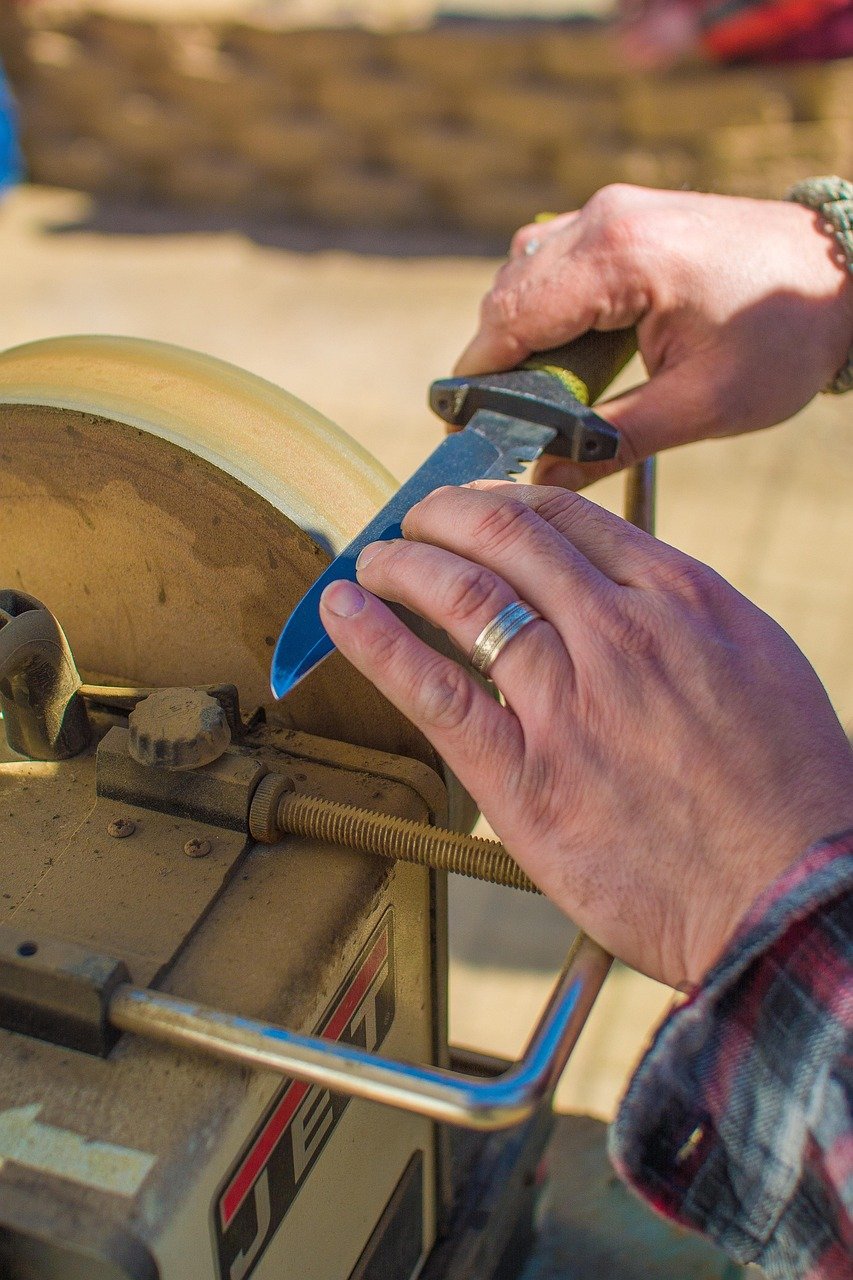
16. How do I sharpen serrated knives?
Use a tapered sharpening rod specifically designed for serrated edges. Insert the rod into the serration and gently pull it toward the blade base, repeating until all serrations are sharp.
17. Can I sharpen scissors with a blade sharpener?
Some sharpeners can be adapted for scissors; however, specific scissor sharpeners often yield better results. Ensure there’s an option for scissor sharpening if you prefer using a general sharpener.
18. Are there any best brands for blade sharpeners?
Notable brands include:
- Wüsthof: Known for high-quality whetstones.
- AccuSharp: Renowned for effective pull-through sharpeners.
- Work Sharp: Offers innovative electric sharpeners.
- DMT: Popular for diamond sharpeners.
19. Should I invest in a professional sharpener?
If you own high-quality knives or use them frequently, investing in a professional sharpener is worthwhile. Professionals can sharpen knives at the proper angles and ensure they maintain their integrity.
20. What should I consider when buying an electric sharpener?
Look for features like multiple sharpening stages, adjustable angles, and safety mechanisms. Reading reviews and comparing warranty options can also be beneficial to find a sharpener that suits your needs.
When selecting and using blade sharpeners, understanding different tools, maintenance practices, and sharpening techniques can significantly improve your experience and efficiency in keeping blades sharp.