


Understanding Blade Sharpeners
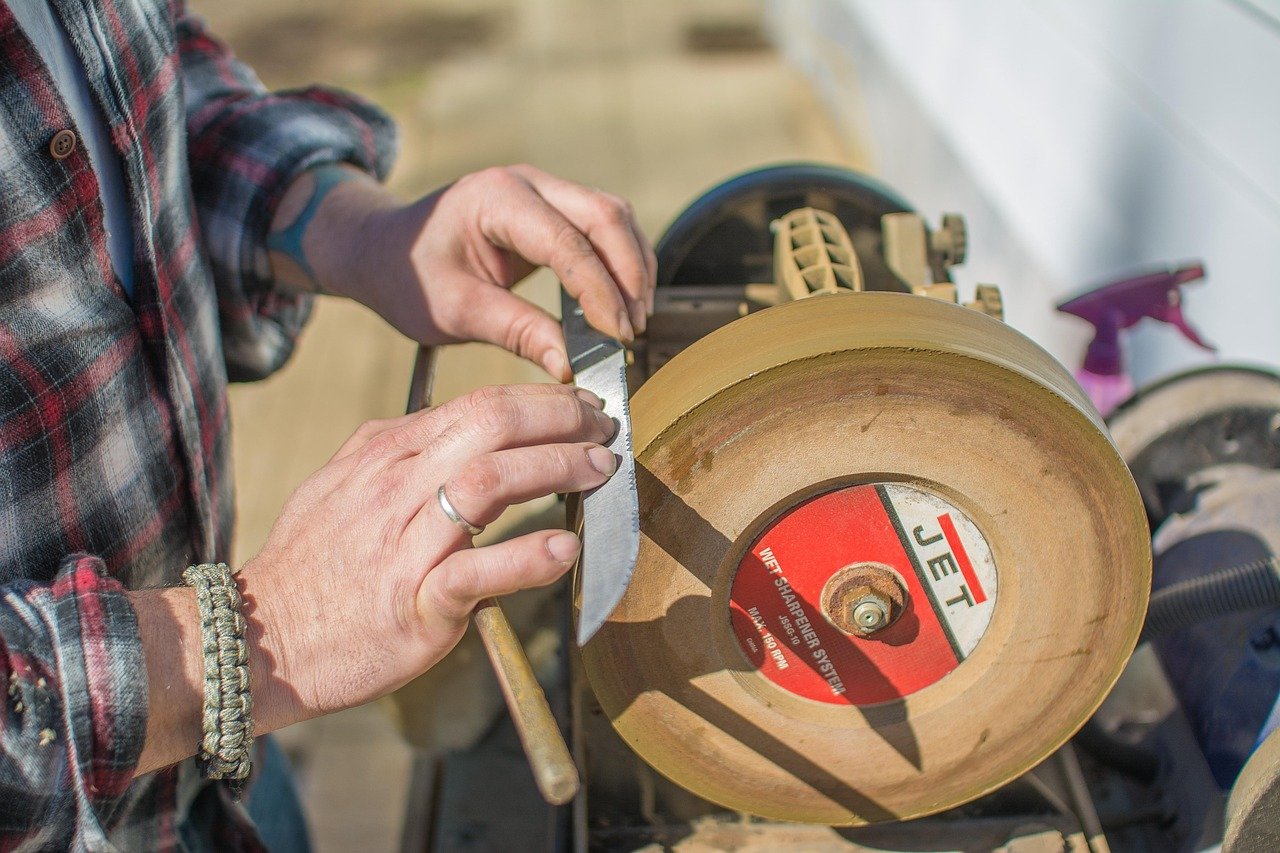
Blade sharpeners are essential tools that enhance the longevity and efficiency of kitchen knives. A sharp knife not only ensures safe and precise cutting but also optimizes meal preparation. The art of sharpening blades is often underestimated. Regular maintenance of your kitchen knives will save you money in the long run, and understanding the various types of sharpeners can help you make an informed decision.
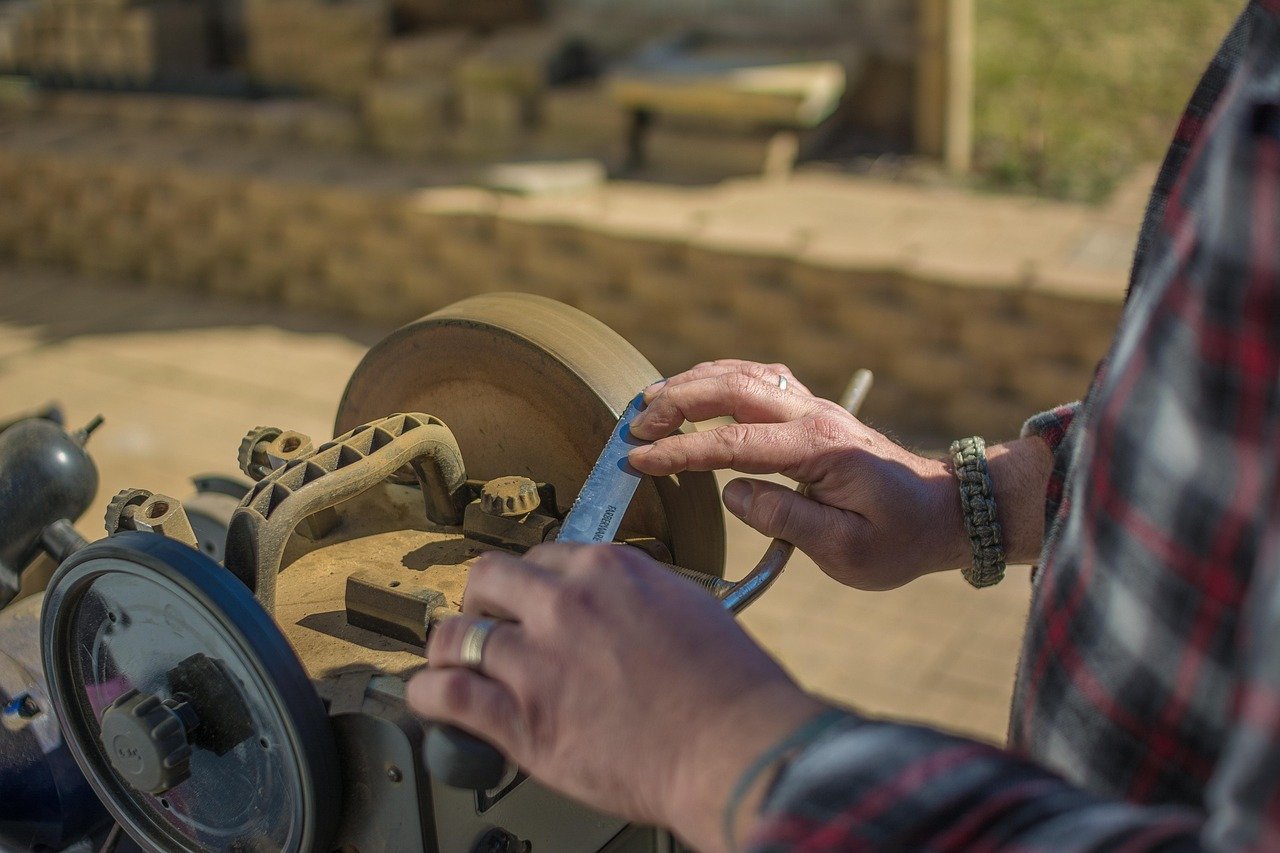
Types of Blade Sharpeners
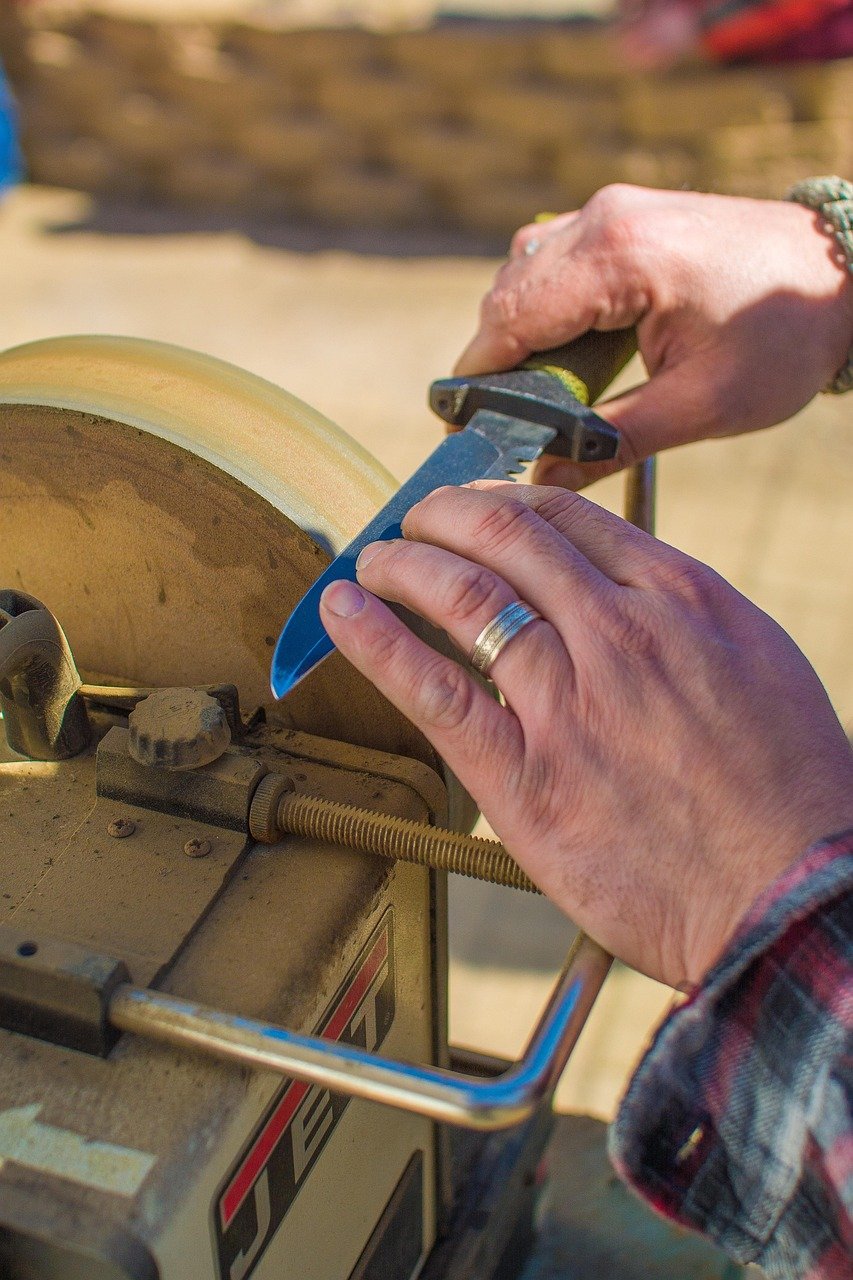
Manual Sharpeners: These sharpeners typically use a handheld format and are perfect for those who want more control over the sharpening process. They require some skill and practice but often offer superior results. Common types include whetstones, honing rods, and pull-through sharpeners.
Electric Sharpeners: These are fast and easy to use, making them a popular choice for busy kitchens. They usually feature built-in guides that align the blade at the correct angle. While they are more expensive than manual options, they offer rapid results and are perfect for individuals who frequently use their knives.
Honing Steel: Though not actually a sharpener, honing steels help maintain the edge of a knife. Regular honing realigns the blade’s edge, preventing the need for extensive sharpening sessions. This tool is particularly beneficial for high-quality kitchen knives.
Professional Sharpening Services: For those with a collection of expensive knives, professional sharpening services can be an excellent option. However, this can become costly over time, making at-home solutions more appealing for long-term savings.
Benefits of Using Blade Sharpeners
1. Extended Lifespan of Knives
A well-maintained knife will last years, if not decades. Investing in a quality sharpener means you can avoid the cost of replacing knives due to dullness. Kitchen knives are not cheap, so ensuring they remain in good condition is vital for your budget.
2. Cost-Effectiveness
The initial investment in a good blade sharpener pays off quickly. Regular sharpening can significantly extend the life of your knives, reducing the frequency and need for new purchases. Compared to the substantial cost of acquiring new knives, sharpening is much more economical.
3. Improved Cooking Efficiency
Dull knives can lead to safety hazards—they can slip and cause injuries. They also require more pressure to cut through ingredients, leading to fatigue and time consumption. A sharp knife enhances efficiency, allowing for faster meal preparation and less strain during use.
4. Better Cooking Results
The difference between a sharp and a dull knife is immense. A sharp knife yields cleaner cuts, which means food retains its natural juices and flavors. This can significantly improve the overall quality of your dishes, ultimately enhancing your culinary experience.
How to Choose the Right Blade Sharpener
When selecting a sharpener, consider the following factors:
Knife Type: Different knives may require various sharpening methods. For example, Japanese knives typically require specific techniques and finer grits compared to Western styles.
User Skill Level: If you are a beginner, an electric sharpener might be ideal due to its ease of use. More experienced home cooks might prefer the control of whetstones.
Budget: While high-end sharpeners can be an investment, many affordable options still provide excellent sharpening capabilities.
Space and Portability: Manual sharpeners are often more space-efficient and portable than electric models. If you have limited kitchen storage, consider how often you will use the sharpener.
Tips for Sharpening Your Knives
1. Know the Angle
Most kitchen knives should be sharpened at an angle between 15-20 degrees. Consult the manufacturer’s guidelines if you’re unsure about the correct angle.
2. Maintain Consistent Pressure
When sharpening, maintaining consistent pressure and applying an even stroke will yield better results.
3. Clean Your Knives
Always clean your knives before sharpening. Residue from previous uses can interfere with the sharpening process.
4. Use a Fluid
For whetstones, using water or oil can enhance the sharpening process, reduce friction, and prolong the life of your stone.
5. Regular Maintenance
Incorporating honing into your knife care routine will minimize the need for extensive sharpening, prolonging the lifetime of your kitchen tools.
The Environmental Impact
Using sharpeners also contributes positively to environmental sustainability. By prolonging the lifespan of your kitchen knives, you reduce waste. Less frequent disposal of kitchen tools means fewer manufacturing demands, leading to decreased resource consumption and pollution.
Conclusion
Investing in a blade sharpener is not just a cost-effective choice; it’s also essential for proficient cooking. Sharp knives lead to safer kitchen practices, improved culinary outcomes, and satisfaction in meal preparation. By understanding the importance of blade maintenance and selecting the right sharpener, you’ll find that the savings on kitchen tools are substantial. Plus, you contribute positively to the environment by reducing waste through responsible knife care.