


Understanding the Importance of Proper Knife Storage
Preserving the longevity of your sharp knives begins with proper storage techniques. Sharp knives are not only a kitchen essential but also a significant investment in culinary tools. By ensuring they are stored correctly, you help maintain their sharpness, prevent accidents, and prolong their lifespan.
Knife Storage Options
1. Knife Blocks
Pros:
- Knife blocks offer a dedicated space for your knives, keeping them protected and organized.
- Many blocks are designed with specific slots for different knife types, promoting the best fit.
Cons:
- Knife blocks can take up considerable counter space.
- If not cleaned regularly, they can harbor bacteria in their slots.
Usage Tips:
- Choose a block made of hardwood or bamboo to prevent dulling.
- Regularly clean the block and ensure knives are dry before inserting them.
2. Magnetic Knife Strips
Pros:
- Magnetic strips save space and allow for easy access to knives.
- They keep knives visible, helping you pick the right one quickly.
Cons:
- If the magnets are too strong, they can cause damage to the knife’s edge when removing.
- If knives are not placed evenly, they may fall.
Usage Tips:
- Install the strip securely on a wall, preferably near your workstation.
- Ensure that knives are securely held by placing them flat against the strip.
3. Knife Sheaths
Pros:
- Sheaths are a compact storage solution, great for travelers and for storing knives in drawers.
- They protect the blade edges from dulling when stored among other kitchen tools.
Cons:
- They take more time to put on and remove than other storage options.
- They require careful handling to avoid slicing oneself during removal.
Usage Tips:
- Choose sheaths made from durable materials like plastic or leather.
- Clean blades before sheathing to prevent moisture buildup.
4. Drawer Inserts
Pros:
- Drawer inserts keep knives organized and safely stored away, creating a clean countertop.
- Specific compartments can prevent knives from clanging against each other, which helps maintain sharpness.
Cons:
- Drawers can become cluttered, making it hard to find the desired knife.
- Knives in drawers may still be susceptible to damage if not stored properly.
Usage Tips:
- Choose inserts that can accommodate the full length and width of your knives.
- Ensure knives are wiped clean and dried before being stored in the drawer.
5. Knife Cases
Pros:
- Knife cases are ideal for transporting knives, protecting them from damage.
- They can hold multiple knives securely, allocated in individual slots.
Cons:
- Cases are not ideal for everyday use if you prefer immediate access.
- Quality cases can be expensive compared to other storage options.
Usage Tips:
- Opt for a case with reinforced padding and durable materials for better protection.
- Make sure to clean the knives thoroughly before storage to prevent moisture problems.
Best Practices for Knife Storage
Regular Maintenance
Correct storage goes hand-in-hand with regular maintenance for longevity. This includes sharpening, honing, and cleaning your knives.
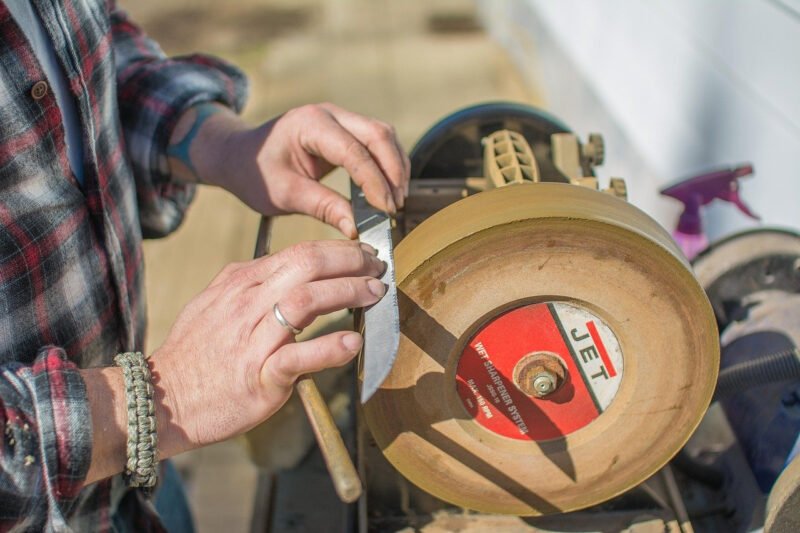
- Sharpening: Use a whetstone or a professional sharpening service to maintain that razor-edge.
- Honing: Regular honing aligns the knife’s edge and prolongs sharpness.
- Cleaning: Hand wash your knives instead of using a dishwasher, which can dull edges and cause damage.
Avoiding Common Mistakes
To improve knife longevity, you should avoid placing knives in inappropriate storage areas.
- Avoid Clutter: Ensure that knives are stored separately from other utensils to reduce the risk of dulling or damaging blade edges.
- Do Not Let Blades Touch Metal: Metal against metal can lead to nicks and dulling. Always choose a soft storage solution.
Temperature and Environment Control
The environment where you store your knives is as crucial as the method chosen.
- Humidity Control: High humidity can lead to rust. Therefore, knives should be stored in a dry environment.
- Proper Airflow: Avoid tightly closed areas without ventilation to minimize moisture build-up.
Additional Tips for Long-Lasting Knives
Invest in Quality Knives
The longevity and performance of your knives correlate directly with their quality. While it’s tempting to opt for cheaper alternatives, high-quality knives typically have better materials and craftsmanship, leading to longer lifespans. Brand reputation, blade material, and handle construction should all guide your purchasing decisions.
Regular Inspections
Taking time to inspect your knives periodically ensures any issues are caught early. Look for:
- Expanding blade edges: A change can signal damage or dullness.
- Loose handles: Ensure the handle is firmly attached to prevent accidents during use.
Use Knives Appropriately
How you use your knives has a direct impact on their longevity:
- Cutting Surface: Always use a wooden or plastic cutting board. Metal or glass surfaces can dull or damage the knife edge.
- Right Knife for the Right Task: Avoid using a chef’s knife for tasks suited to a serrated or paring knife.
Conclusion
Maintaining sharp knives necessitates consistent effort, from proper storage techniques and regular maintenance to suitable usage practices. By implementing these tips and choosing the right storage method, you can greatly enhance the longevity and performance of your beloved kitchen tools. Embrace these best practices, and enjoy the benefits of having sharp knives that serve you well in the kitchen.