



Innovative Blade Sharpeners You Need to Try Today
1. Electric Knife Sharpeners

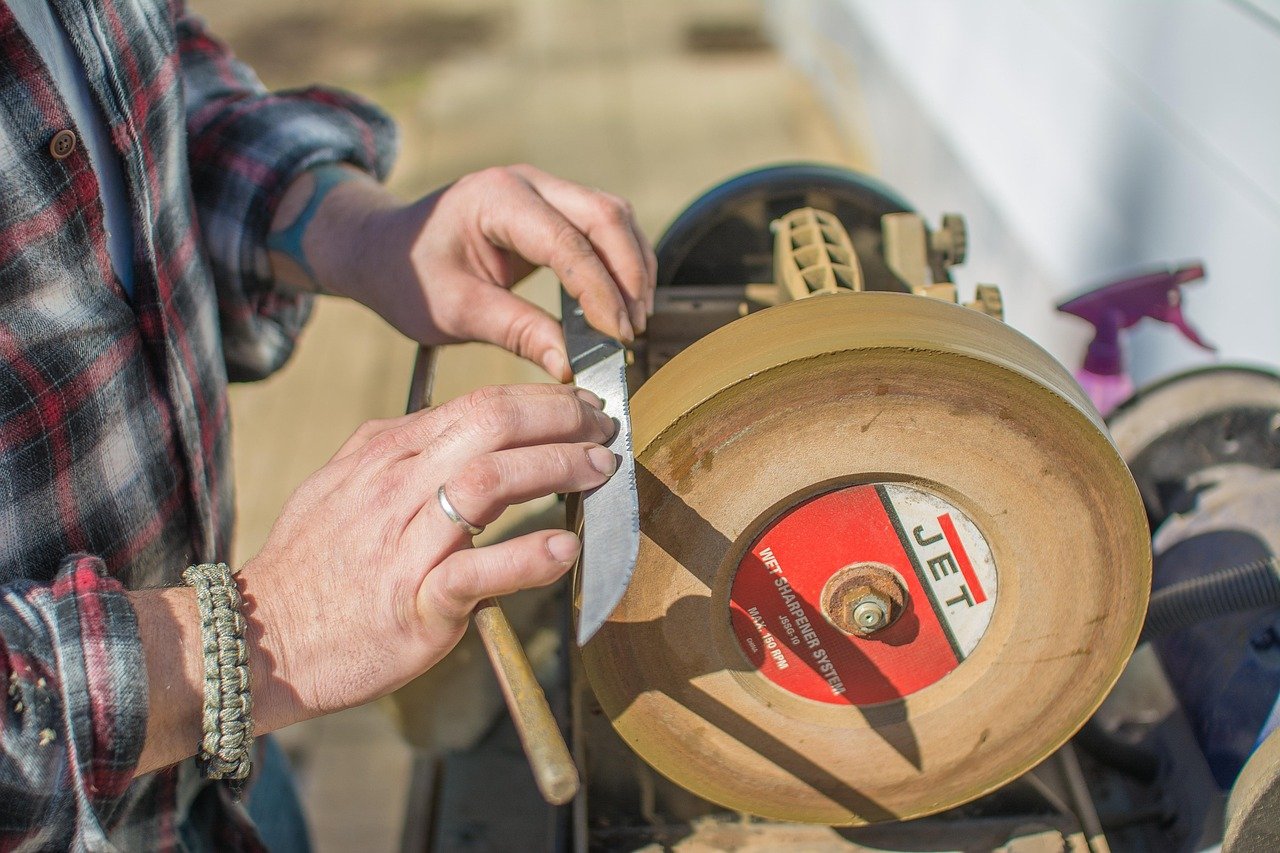
Electric knife sharpeners have revolutionized the way cooks maintain their knives. Unlike manual sharpeners, these devices can restore a dull blade to its former glory in mere seconds with minimal effort. Popular models, such as the Chef’sChoice Trizor XV and Work Sharp Knife & Tool Sharpener, utilize a three-stage sharpening process. The first stage refines the edge, while the second stage hones it to a razor-sharp finish. The final stage polishes the blade, ensuring superior performance. These sharpeners often include built-in guides that maintain the correct angle, allowing even novice users to sharpen like professionals.
2. Diamond Sharpening Plates
For those who appreciate precision, diamond sharpening plates are a game-changer. Made from durable diamond particles embedded in a metal plate, these sharpeners provide a consistent sharpening surface. Brands like DMT (Diamond Machining Technology) offer a range of grit sizes, catering to various sharpening needs – from coarse grinding to fine honing. The flat surface allows users to sharpen not just knives but also tools and scissors, making these plates versatile in any household or workshop. Furthermore, the non-loading surface ensures long-lasting performance without the need for constant cleaning.
3. Oilstone and Whetstone Combinations
Combining the best of both worlds, oilstones and whetstones have gained popularity for their ability to create a fine edge while allowing for user preference in sharpening mediums. Traditional oilstones, such as Arkansas stones, provide a range of grits suitable for different tasks, while synthetic whetstones like those from Naniwa offer unparalleled consistency. The pairing of these stones allows users to refine and polish blades effectively. Techniques such as the “Japanese water stone method” emphasize the importance of soaking stones before use, ensuring that knives can be sharpened without damaging the blade integrity.
4. Lansky Controlled Angle System
Precision is paramount when sharpening a knife, which is why systems like the Lansky Controlled Angle System are widely recommended. This tool features a series of angle guides that ensure each swipe is consistent. The Lansky system is particularly suited for those who want to maintain a specific angle throughout the sharpening process. Users can select angles ranging from 17 to 30 degrees depending on their knife type. Coupled with ultra-fine hones, this system can produce an edge comparable to professional-grade knives. The ease of use combined with adaptability makes it an impressive innovation for knife enthusiasts.
5. Ceramic Sharpeners
Ceramic sharpeners have emerged as a popular choice for fine-tuning the edge of knives. Unlike traditional metal sharpeners, these devices provide a gentler touch that maintains the blade’s integrity while effectively honing the edge. Many chefs recommend ceramic rods for maintaining kitchen knives in a ready state for use. Brands like Spyderco offer portable ceramic sharpeners that are compact and easy to use. This innovation is perfect for quick touch-ups while cooking, as these sharpeners can quickly align the blade edge without removing excessive material.
6. Portable Pocket Knife Sharpeners
For outdoor enthusiasts and avid campers, having a reliable pocket knife sharpener is essential. Innovations like the Work Sharp Guided Field Sharpener are designed for portability while maintaining effectiveness. This compact tool features multiple sharpening elements, including ceramic rods and diamond plates, all in one lightweight package. The easy-to-use design allows for quick maintenance of outdoor knives and tools, making it indispensable for survivalists and adventurers. Its weather-resistant construction ensures durability in various environments.
7. Honing Steel
Often overlooked, honing steels play a critical role in maintaining sharpness between sharpening sessions. A honing steel, like those from Wüsthof or Victorinox, realigns the blade edge that has become misaligned due to use. While honing doesn’t sharpen a blade per se, it prolongs the time between necessary sharpenings – a valuable feature for busy chefs. Regular use of a honing steel can keep knives sharper for longer, ensuring efficiency during food preparation.
8. Pull-Through Sharpeners
Pull-through sharpeners, such as the KitchenIQ Edge Grip models, have gained popularity for their ease of use, especially among home cooks. Made with two angled slots, these sharpeners allow users to quickly and safely sharpen their knives in a matter of seconds. The coarse slot is for damaged or dull blades, while the fine slot polishes and hones the edge. While they may not provide the same level of sharpness as a whetstone or diamond plate, their convenience makes them a friendly option for everyday users.
9. Custom Knife Sharpening Services
In an era of personalization, custom knife sharpening services have made their way into the culinary scene. Professional services like those offered by local artisans or reputable online platforms allow users to send in their knives for a bespoke sharpening experience. The advantage of professional sharpening lies in the expertise and experience of the craftsmen, who can address unique blade designs and sharpening needs. As knives become more valuable as culinary tools, investing in quality sharpening services pays significant dividends in longevity and performance.
10. Specialty Sharpening Tools
For distinctive blade designs or specific knife types, specialty sharpeners have emerged. Among these are the specialized sharpeners for serrated knives, scissors, and even specific cuts of blades like Japanese Santoku knives. These sharpeners often have unique shapes or mechanisms designed specifically to cater to the curves and teeth of the blades. Popular brands like AccuSharp and Smith’s offer serrated knife sharpeners that feature a unique tooth design to effectively sharpen without damaging the serrations.
Usage Tips for Each Sharpener Type
- Electric Knife Sharpeners: Always follow the manufacturer’s guidelines for safe operation. Avoid forcing the knife through the sharpener.
- Diamond Sharpening Plates: Clean after use with water and a brush to maintain surface quality.
- Oilstone and Whetstone: Use water or oil as required to avoid debris buildup that can damage the knife.
- Lansky Controlled Angle System: Set your angle precisely before beginning; keep a light but steady pressure during sharpening.
- Ceramic Sharpeners: Use light strokes to align the edge, focusing on maintaining the original angle.
- Portable Pocket Knife Sharpeners: Secure the blade in place to prevent slippage during sharpening.
- Honing Steel: Use a gentle wrist motion and glide the blade along the steel at the recommended angle.
- Pull-Through Sharpeners: Ensure the sharpener is on a stable surface, and maintain an even pull through the slots.
- Custom Knife Sharpening Services: Research the service providers to ensure they have positive reviews and experience with your type of knife.
- Specialty Sharpening Tools: Invest in tools specific to your knife collection, ensuring versatility in maintenance tasks.
Understanding the various innovative sharpening options available can enhance your culinary experience while ensuring your knives remain in peak condition. From electric models suitable for quick fixes to specialty tools designed for specific tasks, exploring these innovations not only leads to better cooking results but also safe and efficient kitchen practices.