



Knife Maintenance 101: Tips for Keeping Your Blades Sharp
1. Understanding Knife Edges

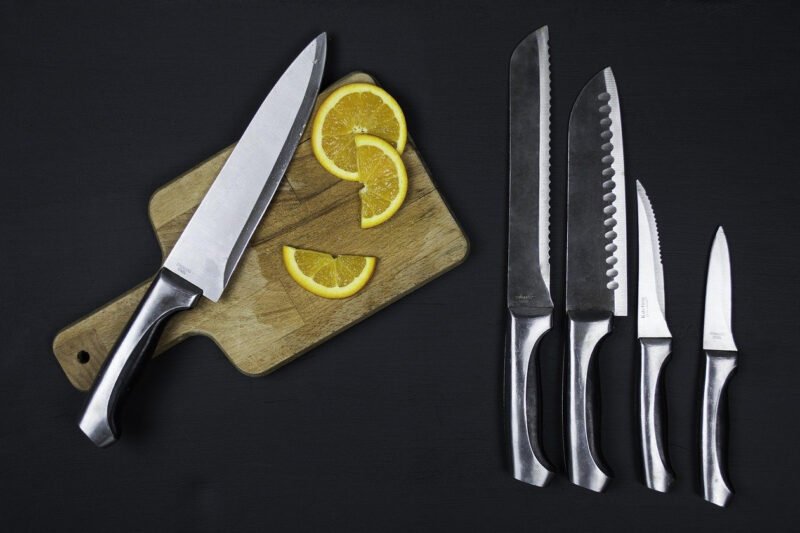
A good understanding of knife edges is essential for proper maintenance. Most knives feature either a straight or serrated edge. Straight edges can be easily sharpened with various tools, while serrated edges may require specialized care. Familiarizing yourself with your knives’ edge types will guide you in selecting appropriate sharpening methods.

2. The Importance of Regular Sharpening
Regular sharpening is crucial for maintaining blade performance. A sharp knife is not only safer but also enhances the cooking experience by providing precision and control. Dull blades demand more pressure, increasing the risk of slips and injuries. Aim to sharpen your knives after every few uses, particularly when you notice them losing their effectiveness.
3. Tools for Sharpening
You have several options for sharpening tools, each with its benefits:
Whetstones: These are popular among culinary professionals for their versatility and ability to create a finely honed edge. Different grit levels (coarse, medium, fine) allow for both reshaping and honing.
Sharpening Steel: Often mistaken for a sharpening tool, this long, metal rod is used to realign the edge rather than remove metal. Regular use can extend the intervals between sharpenings.
Electric sharpeners: These devices offer convenience and quick results. However, they may remove more material than necessary, shortening the lifespan of your blades over time.
Manual pull-through sharpeners: Simple to use and affordable, these tools can achieve decent results but may not offer the same fineness as whetstones.
4. How to Sharpen with a Whetstone
Sharpening with a whetstone involves a few key steps:
Preparation: Soak the whetstone in water for about 10-15 minutes.
Angle: Maintain a consistent angle of about 15 to 20 degrees against the stone for optimal results.
Technique: Start with the coarse side, drawing the blade across the stone from heel to tip, repeating this action around 5-10 times per side. Rotate the stone to the fine side and repeat the process for a polished edge.
Clean Up: Wipe the blade carefully and rinse the whetstone to remove metal filings.
5. Maintaining the Edge with Steel
Using a honing steel can ensure your knife remains sharp longer. Here’s how to use it properly:
Setup: Place the honing steel vertically, gripping the handle with one hand.
Angle: Hold the knife at a 15 to 20-degree angle to the steel.
Stroke Technique: Start at the heel of the knife and pull downward to the tip in a sweeping motion. Repeat on the reverse side.
Perform this routine regularly to maintain the edge between sharpening sessions.
6. Cleaning and Storing Knives
Cleaning knives properly is just as crucial for maintenance:
Hand Washing: Always hand wash knives with mild soap and warm water. Avoid placing them in the dishwasher as it can damage both the knife and the dishwasher.
Drying: Immediately dry the knife with a soft cloth to prevent rust formation.
Storing: Avoid keeping knives loose in drawers which can dull the edges. Instead, utilize a magnetic strip, a knife block, or blade guards.
7. Avoiding Common Mistakes
To maximize your knife’s longevity, avoid these common pitfalls:
Using the Wrong Cutting Surface: Always use a wooden or plastic cutting board. Glass or granite surfaces can quickly dull the blade.
Cutting Frozen Items: Never use your knife to cut hard, frozen foods. This can chip or break the edge, requiring more extensive sharpening.
Misuse: Treat your knives as investment tools. Avoid using them for tasks like prying or opening cans, which can result in damage.
8. Recognizing When to Sharpen
Understanding the signs that indicate it’s time to sharpen your knife can help you maintain optimal performance. If the knife feels slick when cutting or requires excessive force, it’s dull and needs sharpening. Regular visual inspections will also help spot nicks or chips that necessitate sharpening.
9. Exploring Specialty Knives
Different knives have unique maintenance requirements. For instance, sushi knives or chef’s knives need tailored care specific to their usage. Research the best practices for particular knives in your collection to ensure they remain in prime condition.
10. Professional Sharpening Services
For high-end knives or when you’re unsure about your sharpening skills, consider professional sharpening services. Many specialty kitchen stores offer this service, ensuring your blades are handled with expertise.
11. Keeping Track of Your Knives
Making a record of your knives can help manage maintenance schedules. Document when each knife was last sharpened or what type of edge it possesses, offering an organized approach to blade care.
12. Understanding Knife Steel Types
Different steels used in knife manufacturing will respond differently to sharpening and maintenance:
Carbon Steel: Known for its edge retention, it is easily sharpened but requires regular oiling to prevent rust.
Stainless Steel: Rust-resistant and durable, it maintains an edge well but can be harder to sharpen.
Ceramic Knives: While sharp, ceramic knives cannot be sharpened with traditional tools and may require professional equipment or replacement.
13. Educating Yourself and Others
If you regularly cook with family or friends, sharing knowledge on knife maintenance can enhance safety and efficiency in the kitchen. Consider hosting skill sessions or sharing online resources about basic knife care.
14. Explore Advanced Sharpening Techniques
For enthusiasts, investigating more advanced techniques such as sharpening systems or Japanese-style sharpening methods can deepen skills and knowledge. Online tutorials and workshops can provide valuable insights into honing your technique.
Incorporating these practices into your routine will ensure your knives remain sharp, safe, and effective for all your culinary endeavors, enhancing your kitchen experience while promoting safety. Remember, investing time in regular maintenance leads to a longer-lasting and more enjoyable cooking journey.