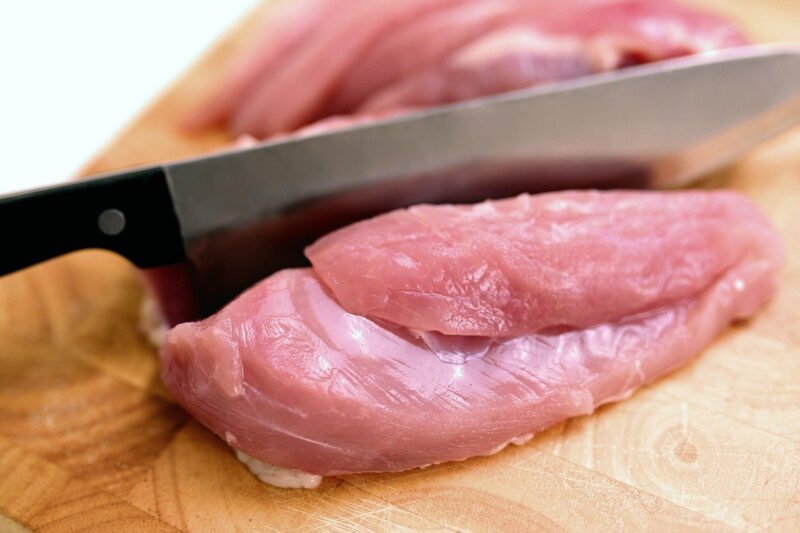



Learning the art of fish butchery can elevate your culinary skills and enhance your dining experiences. This guide provides a step-by-step method for beginners, covering essential tools, techniques, and tips to help you master fish butchery.
Essential Tools for Fish Butchery
- Fillet Knife: A flexible, sharp fillet knife is a must for precise cuts.
- Boning Knife: Use this for removing bones from fish quickly and efficiently.
- Cutting Board: Opt for a sturdy, non-slip board that is easy to clean.
- Fish Scaler: A simple tool to remove scales.
- Pliers or Tweezers: Essential for pulling out pin bones.
- Kitchen Shears: Useful for cutting through fins and tails.
- Protective Gloves: Wear gloves to enhance grip and maintain hygiene.

Selecting Fresh Fish
When butchering fish, selecting fresh specimens is crucial. Look for:
- Bright Eyes: Clear, bulging eyes indicate freshness.
- Firm Flesh: The flesh should spring back when pressed.
- Clear Gills: Vibrant red gills signify a fresh fish.
- Pleasant Smell: Avoid fish that has a strong, unpleasant odor.
Preparing the Workspace
Set up your workspace before starting:
- Clean the Surface: Ensure your cutting board and tools are sanitized.
- Gather Tools: Have all your tools within reach.
- Dry Fish: Pat the fish dry with paper towels to prevent slippage.
Step-by-Step Butchery Process
Step 1: Scaling the Fish
- Hold the Fish: Firmly grasp the fish by the tail, placing it on the cutting board.
- Use the Scaler: Starting from the tail towards the head, use the scaler to scrape off the scales. Rinse under cold water to remove any debris.
Step 2: Removing the Head
- Place the Fish: Position the fish so the belly faces you.
- Make the Cut: Use a sharp knife to cut behind the gills and down through to the backbone. Apply pressure to ensure a clean cut.
Step 3: Gutting the Fish
- Insert Knife: Starting at the belly, insert your knife just above the anal fin.
- Slice Open: Cut gently towards the head, opening the belly without puncturing any organs.
- Remove the Guts: Pull out the entrails with your hands or use a spoon for stubborn bits.
- Rinse Interior: Rinse the cavity thoroughly under cold water.
Step 4: Filleting the Fish
- Position the Fish: Lay the fish lateral on the cutting board.
- Find the Backbone: Starting near the head, insert the fillet knife alongside the backbone at an angle.
- Cut Along the Ribcage: Glide the knife along the ribcage, following the contours. Use a back-and-forth motion to detach the fillet.
- Repeat on the Other Side: Flip the fish and repeat the process to remove the second fillet.
Step 5: Removing the Skin (Optional)
- Place Fillet Skin Side Down: Ensure the skin is facing the cutting board.
- Start the Cut: At the tail end, insert the knife between the fillet and skin.
- Angle the Knife: Holding the skin firmly, angle the knife downward and slide it between the fillet and skin; move slowly to avoid wasting meat.
Step 6: Deboning the Fillet
- Inspect the Fillet: Look for pin bones that may remain.
- Use Pliers or Tweezers: Gently pull out each pin bone one by one. This is crucial for a smooth eating experience.
Step 7: Portioning the Fillets
- Decide on Portions: Depending on your intended use (e.g., grilling, pan-searing), determine the portion sizes.
- Cut Even Pieces: Use your sharp knife to cut even portions across the grain of the fish.
Cleaning Up
After butchering your fish:
- Wash Tools: Clean your knives, board, and other tools thoroughly with hot soapy water.
- Dispose of Wastes: Ensure to dispose of fish scraps correctly, preferably in a compost bin if suitable or sealed in plastic to prevent odors.
- Sanitize Workspace: Disinfect the area to encourage food safety.
Tips for Success
- Practice Makes Perfect: Don’t expect perfection on your first try. Fish butchery improves with practice.
- Use a Sharp Knife: A dull knife increases the risk of accidents and results in uneven cuts.
- Watch Online Tutorials: Visual aids can significantly help in understanding the techniques.
- Ask for Professional Guidance: If possible, seek advice from a fishmonger or take a short course.
Storage and Preservation
- Refrigeration: Store cut fish in an ice bath or covered in the fridge to maintain freshness.
- Freezing: For longer storage, wrap portions tightly in plastic wrap and place them in airtight freezer bags. Label with the date and type of fish.
Fish Butchery Techniques by Type of Fish
- White Fish: Frequently requires simple filleting and skinning methods.
- Oily Fish: Such as salmon, may require additional attention to removing bones and scales due to their texture.
- Flat Fish: Like flounder, necessitate unique filleting techniques due to their shape.
Nutritional Aspect
Fish is a great source of proteins, omega-3 fatty acids, vitamins, and minerals, making it a healthy option for meal planning.
By mastering fish butchery, you open up a world of culinary possibilities, from fresh sashimi to perfectly grilled fillets. Take your time, practice these steps, and enjoy the delicious results of your efforts!