

The Kukri: A Brief Historical Context
The Kukri, also known as the Gurkha knife, is a traditional Nepali blade renowned for its distinctive design and versatility. Originating from the mountainous regions of Nepal, the Kukri has a rich history that traces back several centuries. It has been integral to the lives of the Gurkha soldiers, serving not only as a weapon but also as a multi-purpose tool. Understanding the anatomy of a Kukri is essential to appreciate its functionality and cultural significance.
Blade Design: The Distinctive Curvature
The most defining characteristic of the Kukri is its unique blade shape, which is slightly curved and features a wide, pointed tip. This curvature is not merely aesthetic; it enhances the cutting power of the blade. The angle of the curve increases leverage during slicing and chopping motions, making it exceptionally effective for a range of tasks from cutting to combat.
Blade Length and Thickness
Typically, Kukris range from 10 to 18 inches in blade length, catering to various user preferences and functions. The thickness of the blade varies as well, with thicker blades being sturdier and better suited for heavy-duty tasks like chopping wood or butchering. A standard Kukri usually possesses a thickness of about 0.25 inches, providing balanced sturdiness while maintaining sharpness.
The Spine and Edge
The spine of the Kukri is the top side of the blade and is generally thicker for added strength. This thickness allows for rigorous use without fear of bending or breaking. Conversely, the edge is honed to a sharp point, essential for precision cutting and slicing. The geometry of the blade, along with its well-forged edge, contributes to the Kukri’s reputation for being a versatile tool.
The Handle: Ergonomics and Material
The handle of the Kukri plays a crucial role in its usability. Typically constructed from hardwoods, such as rosewood or horn, the handle provides a solid grip. The size and shape of the handle are designed to fit comfortably in the user’s hand, allowing for extended use without causing fatigue.
Design Features
Many Kukri handles feature a distinctive pommel at the rear end. This fin-like extension aids in grip security, preventing the hand from slipping during use. Some handles also come with a pronounced guard to protect the user’s fingers from slipping onto the blade.
The Hilt and Motivation for Design
The hilt of the Kukri is often slightly curved, matching the angle of the blade. This curvature aligns the hand for optimal leverage when applying force during cutting. The traditional curvature also allows for both a chopping motion and a thrusting action, making the Kukri proficient in various combat scenarios.
Material Choices: Steel and Craftsmanship
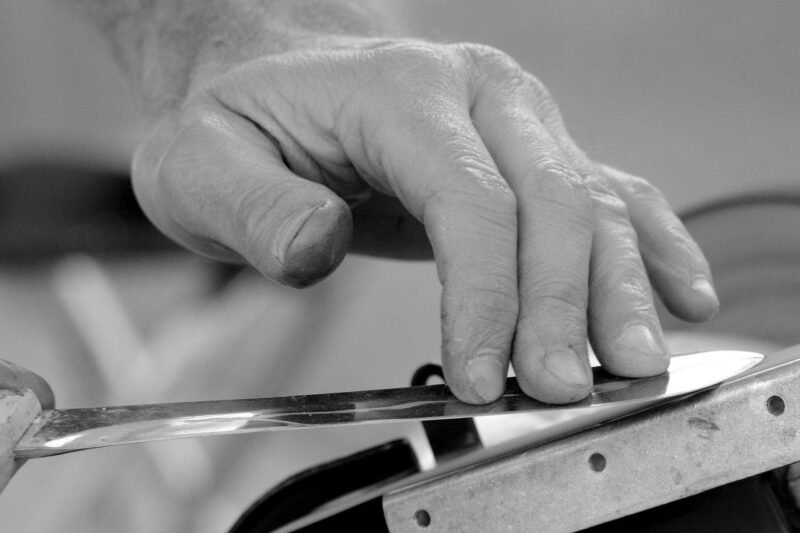
Kukris are typically forged from high-carbon steel, known for its durability and ability to hold a sharp edge. The process of forging a Kukri is often artisanal, involving skilled craftsmen who employ techniques passed down through generations. Many notable Kukris are made in Nepal, where the blacksmiths (known as “Kami”) have honed their craft over centuries.
Differential Hardening
An essential aspect of Kukri craftsmanship is differential hardening. This process ensures that the edge remains hard, while the spine stays softer and more flexible. This combination allows for ease in sharpening the blade and adds resilience against breaking during rigorous use. The best Kukris may also feature differentially tempered steel, enhancing both performance and longevity.
The Sheath: Protection and Practicality
Every Kukri comes with its sheath, typically made from leather or wood. The sheath serves a dual function: protecting the blade and providing convenience in carrying the knife. The design often includes a belt loop or strap, enabling the Kukri to be carried securely at the waist.
Kukri Sheath Variations
There are several variations of Kukri sheaths. Traditional sheaths may feature intricate carvings, while modern designs may prioritize functionality and durability. Some Kukri sheaths come with additional compartments for storing smaller tools or items, enhancing the overall utility of the knife.
Weight Distribution: Balance is Key
One of the most notable features of a Kukri is its exceptional balance. The weight is distributed in a way that allows for easy maneuverability, whether using it for practical purposes or during combat. The heavier blade combined with a lighter handle enables users to wield it with fluidity and control. Great emphasis on weight distribution ensures that the Kukri remains effective in delivering powerful strikes.
Versatility: More than Just a Weapon
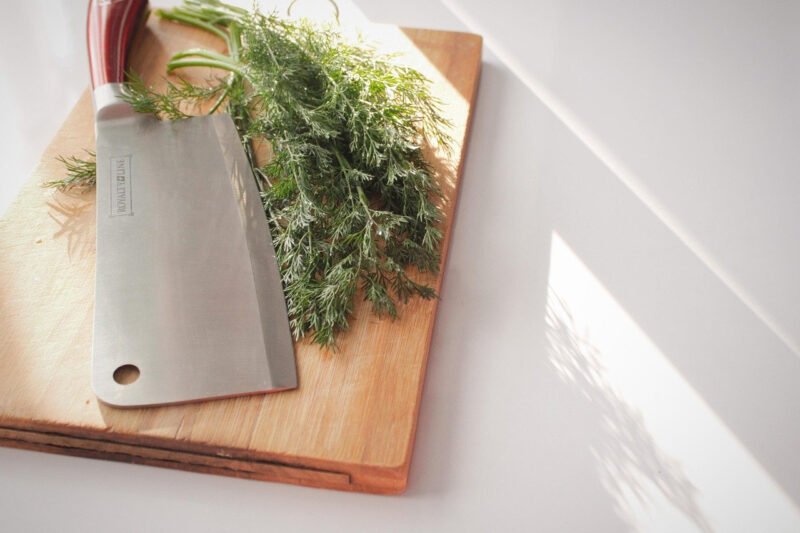
While the Kukri’s martial applications are well-known, its design makes it a versatile tool for various everyday tasks. Whether it is chopping vegetables, cutting rope, or clearing brush, the Kukri excels in numerous scenarios. This multifunctionality is part of what has made it iconic, particularly among the Gurkhas, where it is integral not only in military service but also in domestic life.
Cultural Significance: Symbol of Bravery and Heritage
Beyond its physical attributes, the Kukri holds deep cultural meaning for the Gurkha people. It symbolizes bravery, loyalty, and resilience. Historically, Gurkha soldiers have carried Kukris into battle, and the blade has become an emblem of their service and commitment to their country.
Ritualistic Uses
In addition to being a tool for work and combat, the Kukri is often present in rituals and ceremonies within various cultures in Nepal. For instance, during weddings or festivals, it may be employed as a symbol of prosperity and strength.
Conclusion: The Legacy of the Kukri’s Design
The Kukri embodies a unique blend of art, practicality, and cultural heritage. Understanding its anatomy reveals not only the craftsmanship involved in creating this distinctive blade but also the deep-rooted traditions it represents. From its curvature and balance to the practicality of its handle and sheath, the Kukri’s design is a testament to an enduring legacy that continues to be revered and respected around the world.