




The History of Blade Sharpeners: From Stone to Steel

Ancient Beginnings: Stone Tools
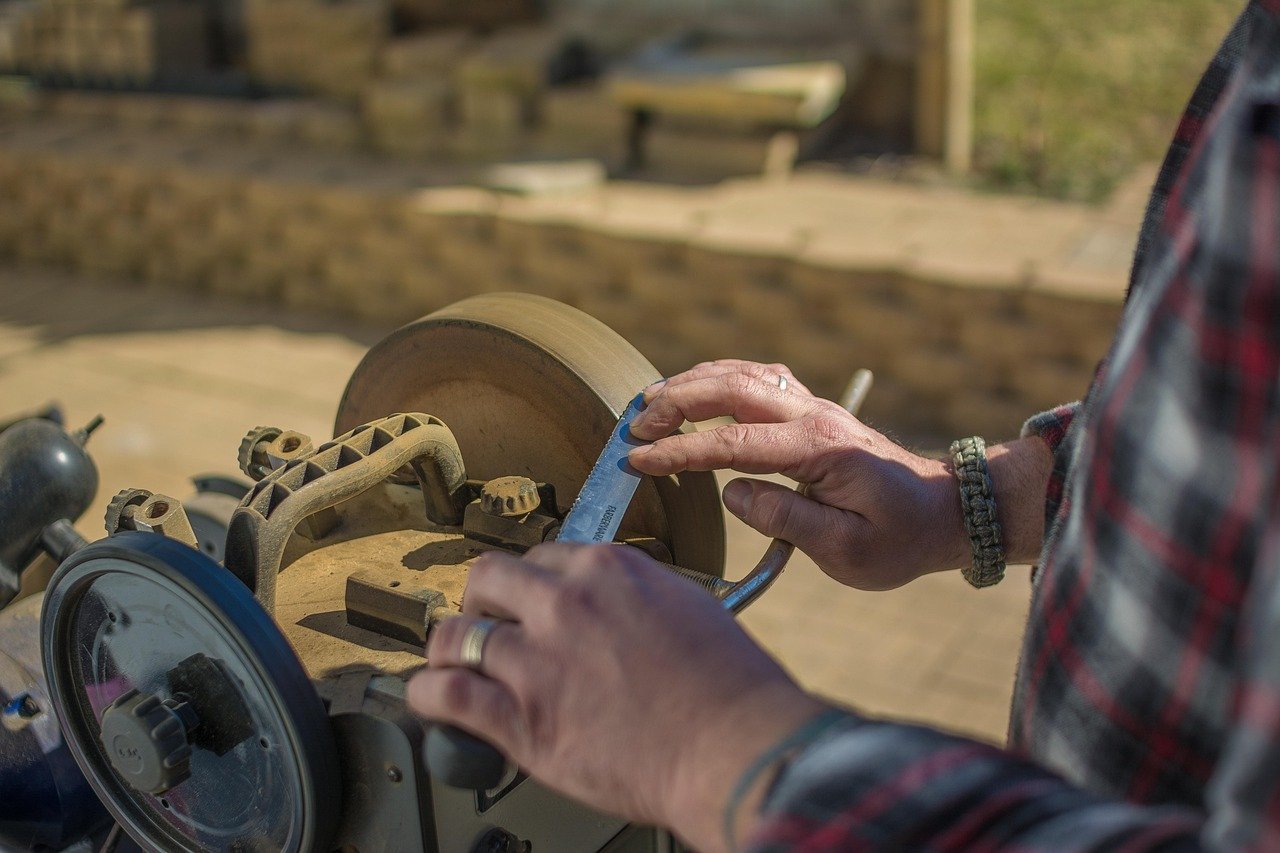
The practice of sharpening blades can be traced back to prehistoric times when early humans crafted tools from flint and other stones. The sharpness of these primitive tools was essential for survival, allowing our ancestors to hunt, prepare food, and defend themselves. The first blade sharpeners likely consisted of natural stones, such as river rocks, which were used to hone the edges of flint blades. This rudimentary method laid the foundation for more advanced sharpening techniques that emerged over millennia.

The Development of Natural Abrasives
As civilizations advanced, so did the quality and variety of sharpening stones. The Egyptians, known for their advanced knowledge of tool making, used sandstone and emery to sharpen bronze blades around 3000 BC. These natural abrasives were efficient in refining the edges, leading to sharper and more durable tools. The art of blade sharpening became crucial for craftsmen, who recognized that a sharp tool was essential for precision craftsmanship.
Forgotten Techniques: The Japanese Water Stones
In Japan, the tradition of sharpening blades evolved into a high art form. Japanese water stones, made from fine-grained mineral aggregates, became integral in crafting samurai swords, known as katana. These stones, which require water for optimal performance, provided a refined sharpening process. Renowned for their ability to produce a superior edge, Japanese water stones are still revered by chefs and craftsmen worldwide, showcasing an enduring legacy in blade maintenance.
The Advent of Metal and Innovation
With the advancement of metallurgy during the Middle Ages, blades transitioned from bronze to iron and eventually to steel. This transition also impacted sharpening methods. The introduction of whetstones, made from harder materials, allowed craftsmen to achieve sharper edges on steel blades. These whetstones gave rise to various grits, enabling users to adapt their sharpening techniques based on the task, whether it be knife sharpening or tool maintenance.
The Industrial Revolution and Machine Sharpening
The Industrial Revolution in the 18th and 19th centuries brought about significant changes in how blades were sharpened. With the rise of mechanization, grinding wheels became prevalent. These machines allowed for rapid sharpening and were essential for large-scale manufacturing of tools and weapons. The establishment of factories led to standardized blade shapes and sizes, making the sharpening process more uniform and efficient.
However, this shift did not eliminate traditional techniques. Skilled artisans continued to hand-sharpen tools, preserving craftsmanship. The juxtaposition between mechanized and artisanal sharpening methods allowed for a rich variety of options tailored to different uses.
The Emergence of Modern Sharpening Systems
By the 20th century, advancements in materials technology and design led to the development of specialized sharpening systems. Japanese chefs popularized the use of ceramic and diamond sharpeners, recognizing their effectiveness at refining blades quickly and effectively. These modern sharpeners utilize both natural and synthetic materials designed to enhance sharpening efficiency while maintaining blade integrity.
Also significant was the introduction of pull-through sharpeners, which simplified the sharpening process for everyday users. The user-friendly design provided a practical solution for individuals who might not have the expertise or time to engage in traditional sharpening methods.
The Role of Williams and Other Innovators
One important innovator in the sharpening industry was Thomas Williams, whose company revolutionized sharpening with the release of interchangeable honing rods. His design paved the way for various applications in both industrial and domestic settings, proving that sharpening could be accessible and efficient without compromising quality. As consumers became more aware of their options, the market for high-quality sharpeners expanded dramatically.
The Return to Traditional Methods
In recent years, there has been a revival of interest in traditional blade sharpening methods. Enthusiasts and professionals alike have turned to whetstones, including those from Japan, to achieve the perfect edge on their knives. This renaissance is rooted not only in the quality of the resulting edge but also in the mindfulness and skill development associated with the sharpening process.
Many chefs and culinary schools incorporate a focus on sharpening techniques, emphasizing that a well-maintained blade is key to a successful kitchen. Companies that produce high-quality whetstones and sharpening tools have experienced a surge in popularity, as consumers appreciate the value of craftsmanship in an age dominated by technology.
Trends in Blade Sharpening
Today, the landscape of blade sharpening is varied. From electric sharpeners designed for speed and convenience to manual options that encourage a deeper connection with the tool, there is a device suitable for every type of user. Companies have begun to innovate with hybrid systems that combine both mechanical and manual sharpening techniques, catering to a wider clientele that includes both culinary professionals and amateur cooks.
Furthermore, the rise of online tutorials and platforms has democratized the craft of blade sharpening, enabling individuals to learn skills that were once reserved for professionals. This increased accessibility has fostered a global community of sharpening enthusiasts who share tips, techniques, and experiences, ensuring that the knowledge of blade maintenance is passed down through generations.
Environmental Considerations in Blade Sharpening
As society becomes increasingly aware of environmental impacts, there is a growing focus on sustainable materials in the production of sharpening tools. Manufacturers are exploring eco-friendly alternatives, such as using recycled ceramics and natural abrasives, to minimize their carbon footprint while maintaining high performance. Consumers are also gravitating towards brands that promote sustainability, reflecting a broader trend in conscious consumerism.
The Future of Blade Sharpeners
With ongoing advancements in technology and materials science, the future of blade sharpeners is promising. Innovations such as AI-driven sharpening systems aim to offer customized sharpening experiences tailored to each blade’s unique profile. As technology evolves, it will be intriguing to observe how traditional techniques integrate with modern methodologies, ensuring that the age-old practice of blade sharpening continues to thrive in various contexts.
The historical journey of blade sharpeners from crude stone tools to sophisticated steel implements reflects humanity’s ingenuity and adaptability in crafting essential tools. From ancient civilizations to modern workshops, the need for sharp blades remains timeless, driven by the intersection of necessity and artistry. Whether rooted in tradition, marked by innovation, or reshaped by environmental awareness, the narrative of blade sharpening is poised to evolve, illuminating the importance of maintaining sharpness, precision, and skill across all facets of life.