


The Evolution of the Knife: From Primitive Tools to Modern Designs

Prehistoric Beginnings

The history of the knife can be traced back to the very beginnings of human civilization. Primitive man required tools to hunt, gather, and survive. Early knives, dating back over two million years, were rudimentary tools made from sharpened stones or flint. These primitive knives were essential for food preparation, providing early humans with means to skin animals and cut flesh, drawing a line between survival and starvation.

Archaeological findings indicate that these stone tools were often crafted by chipping away edges from natural stones, producing sharp edges tailored for specific tasks. These primitive designs laid the foundational principles that would guide knife-making techniques for millennia.
The Advancements of Metalworking
As civilizations progressed, so did metallurgy. By around 3000 BCE, societies in the Near East began using bronze, leading to the creation of metal knives. Bronze knives were stronger, sharper, and more durable than their stone predecessors, allowing for more versatile uses. Ancient Egyptians utilized bronze knives for a variety of purposes, including ritual sacrifices and daily tasks, playing a fundamental role in their cultural practices.
With the advent of iron metallurgy around 1200 BCE, the knife underwent a significant transformation. Iron knives enabled better cutting performance and resilience. The ability to heat and forge iron allowed for the development of more complex and effective blade shapes. The Celts, for example, crafted intricate iron knives, featuring decorative designs that reflected both function and artistry.
The Influence of the Roman Empire
The Roman Empire significantly influenced knife-making techniques and styles. Romans created specialized knives, such as the “coulter” for plowing and the “seax,” a versatile utility knife. Innovations in design included the introduction of folding knives, which became practical for soldiers and travelers.
The Roman penchant for craftsmanship led to the establishment of toolmaking guilds, fostering a culture of skilled craftsmanship. This trend contributed positively to the standardization of knife designs, enhancing their effectiveness and accessibility for everyday use across the empire.
The Middle Ages: Function Meets Artistry
The Middle Ages witnessed a surge in knife usage as they became commonplace utensils in households. This era marked a significant shift in knife aesthetics; blades became more elaborately designed, showcasing the work of skilled blacksmiths. The emergence of culinary knives allowed for preparation methods that would influence European cooking.
Knives of this period were often paired with ornate handles made from materials like wood, bone, or ivory. Various cultures developed their own distinct styles, such as the quintessential paring knife in France or the stylish daggers seen in Italy.
The Renaissance and the European Craftsmanship Boom
The Renaissance era catalyzed a revolution in knife-making. With the increase in trade, exposure to Eastern techniques and materials burgeoned. The introduction of Damascus steel, characterized by its wavy patterns and strength, became popular in knife-making, especially for swords and daggers.
Moreover, innovative designs emerged, including the balisong, or butterfly knife, which originated in the Philippines and became symbolic of both artistry and function. European craftsmen began producing specialized knives for culinary, military, and everyday use, demonstrating an intricate balance between utility and aesthetic appeal.
Industrial Revolution and Mass Production
With the onset of the Industrial Revolution in the 18th century, knife production underwent a seismic shift. Factories emerged, enabling mass production and standardization of knife designs. The introduction of new manufacturing techniques, such as precision casting and stamping, allowed for quick and consistent production of knives.
The establishment of companies like Victorinox in Switzerland in 1884 marked the beginning of a new era. The Swiss Army Knife, a multi-functional tool, became a cultural icon known for its practicality and versatility.
20th Century Innovations
As the 20th century progressed, knife technology continued to evolve. New materials, such as stainless steel, revolutionized knife-making by enhancing durability and corrosion resistance. This development catalyzed the production of kitchen knives, particularly those designed for professional chefs, who demanded precise cutting tools.
The invention of laser cutting and advanced manufacturing processes further refined knife production. The mastery of ergonomics led to the creation of knives with handles designed for comfort, maximizing usability in both culinary and outdoor activities.
The Revival of Traditional Techniques
In the late 20th century, there was renewed interest in traditional knife-making techniques. Artisanal blacksmiths and knife-makers began to surface, focusing on handmade knives that blended historical craftsmanship with modern design aesthetics. This movement emphasized quality over quantity, allowing for customization and personal resonance with consumers.
Craftsmanship organizations emerged, promoting the revival of centuries-old techniques, such as forge-welding and hand-grind styling. Knife enthusiasts began to appreciate not only the functionality but the art embedded in each blade, driving an increase in demand for bespoke, handmade knives.
Contemporary Trends and Modern Designs
Today, knife design continues to push boundaries. Technological advancements have introduced innovative materials, such as high-carbon stainless steel and ceramic blades. These materials present unique cutting properties while addressing concerns of weight and corrosion.
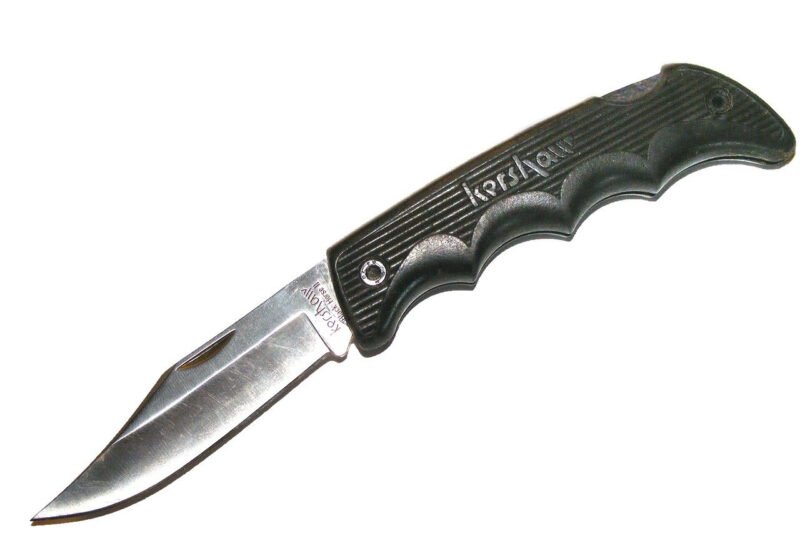
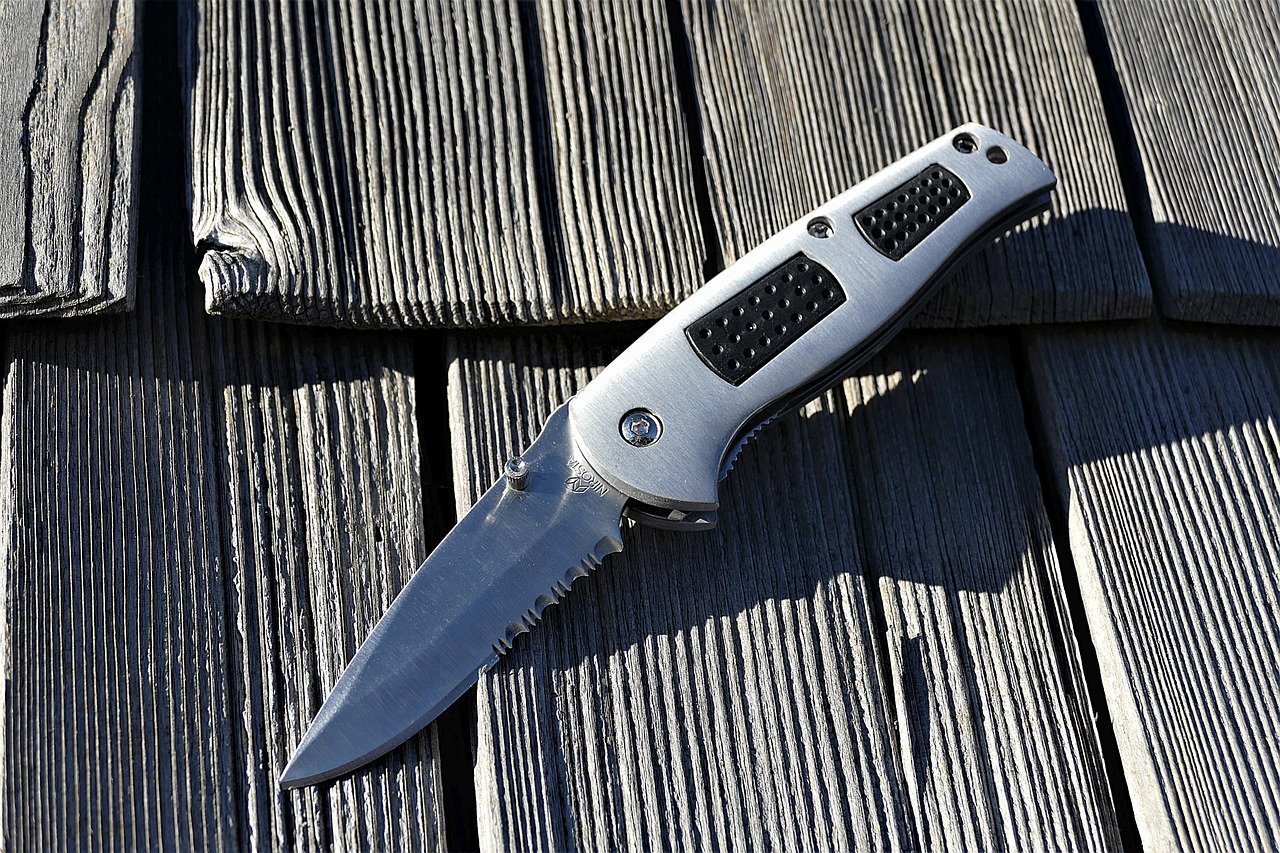
Folding knives have witnessed a renaissance, featuring intricate mechanisms like frame locks and assisted-opening systems, ensuring both safety and ease of use. The incorporation of non-slip handle materials and textures have contributed to not only aesthetics but functionality.
Moreover, the rise of the culinary arts movement has transformed kitchen knives into essential tools of art and precision. Brands now collaborate with renowned chefs to create specialized knives, integrating professional insight into design and function.
Cultural Variations and Global Impact
Throughout history, knives have developed unique cultural significance around the world. Japanese knives, for example, embody meticulous craftsmanship and aesthetic excellence, traditionally made using techniques that have remained largely unchanged for generations. The chef’s knife, or “Gyuto,” is celebrated for its precision and design.
In contrast, cultures such as the Inuit and Native American tribes have produced knives tailored for hunting and survival, reflecting their specific environmental needs and cultural narratives. Each design encapsulates not only utility but also the identity and values of the culture from which it originates.
The Future of Knife Design
As we forge ahead, the knife continues to adapt to evolving user needs and technological advancements. The rise of outdoor activities and cooking as lifestyle pursuits promises innovation in both multi-purpose survival and culinary knives. Sustainable materials are gaining traction as manufacturers seek eco-friendly alternatives, aligning production practices with environmental consciousness.
Smart knives are beginning to emerge, integrating digital technology for enhanced features such as weight measurement and temperature sensitivity, catering to an increasingly tech-savvy demographic. As a vital tool in daily life, the knife remains emblematic of human ingenuity, blending tradition with innovation in a world that constantly demands adaptation.
Final Thoughts
Drawing on thousands of years of evolution, the knife remains a quintessential tool in our lives. Its journey reflects the broader narratives of humanity, artistic expression, cultural storytelling, and continuous innovation, bridging the gap between our primitive ancestors and modern-day users. From survival aids to sophisticated kitchen instruments, the knife will persist as a vital ally in our daily endeavors.