


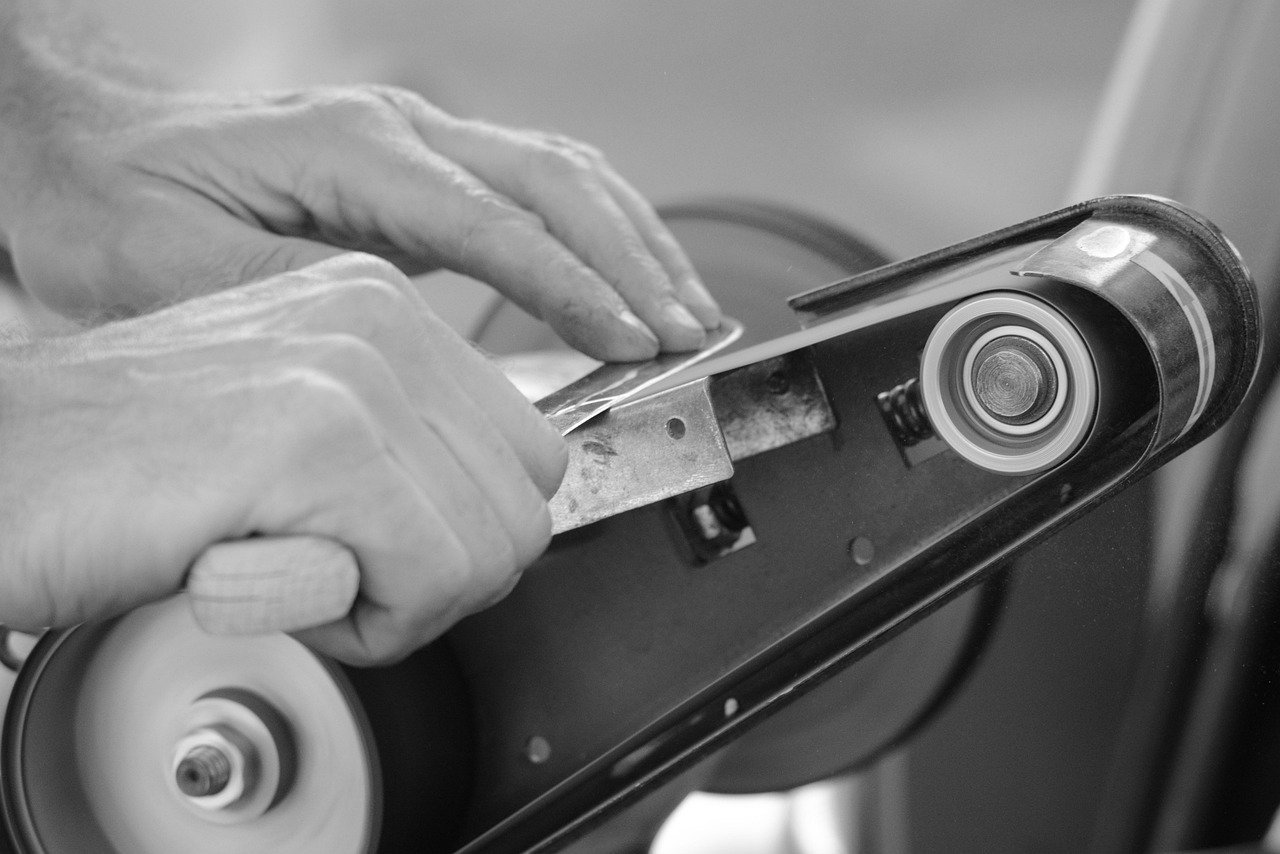
The Importance of Regular Knife Sharpening for Home Cooks
Why Sharpening Matters
A sharp knife is an essential tool in any kitchen, allowing home cooks to prepare meals efficiently and safely. Dull knives not only hinder performance but can also be dangerous. When blades are blunt, more force is required to cut through food, increasing the risk of slippage, which can lead to accidents and injuries. Therefore, regular knife sharpening is critical for enhancing safety as well as improving overall performance in the kitchen.
The Science Behind Knife Edges
When a knife’s edge is honed to perfection, it consists of two primary facets: the bevel and the apex. The bevel is the sloped surface that tapers down to the sharp edge, while the apex is the thin edge that makes contact with the food. Over time and with repeated use, the edge can become jagged due to wear, pressure, and impact against cutting surfaces. Regular sharpening restores the sleek angle of the edge, making it easier to cut through ingredients with precision.
Benefits of Regular Sharpening
Enhanced Cutting Efficiency
A well-sharpened knife slices through vegetables, meats, and other food items with ease. This efficiency not only saves time but also requires less physical effort, allowing cooks to create their dishes faster and with less fatigue.Greater Safety
As mentioned, dull knives can lead to accidents. When a knife is sharp, the cook has greater control, reducing the chances of slipping or applying excessive force. Thus, using a properly sharpened knife minimizes the risk of injuring oneself during meal preparation.Improved Flavor Retention
A sharp knife can make cleaner cuts, which leads to less cellular damage to ingredients. This is particularly important for delicate items like herbs and tomatoes. Clean cuts help maintain the integrity and flavor of the food, resulting in better-tasting dishes.Longer Knife Lifespan
Surprisingly, regular sharpening can extend the life of your knives. Dull blades require more pressure, which can lead to chipping or breaking. By keeping knives sharp, you avoid this wear and tear, keeping your tools in better condition over time.Increased Precision
Whether you’re dicing onions or filleting fish, precision is key in cooking. A sharp knife allows for finer and more accurate cuts, which is crucial for presentation and cooking times.
Types of Sharpening Methods
Home cooks have several methods for sharpening knives, each with its own advantages and disadvantages.
Whetstones
Whetstones are versatile and favored by professional chefs. They come in different grits, allowing for both coarse sharpening and fine honing. Using a whetstone requires some technique, including the right angle and consistent pressure, but produces an excellent edge.Honing Rods
Often mistaken as sharpening tools, honing rods simply realign the edge of the knife. Regular use of a honing rod can prolong the time between actual sharpening, keeping the knife performing optimally for longer.Electric Sharpeners
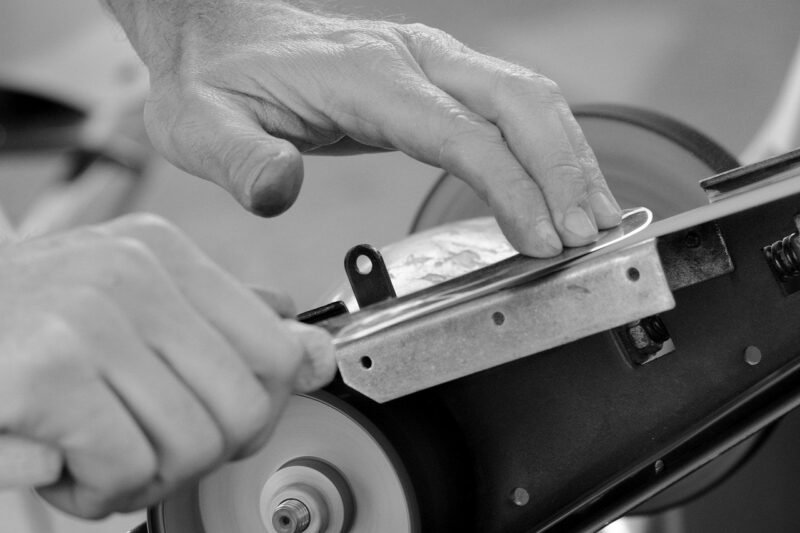
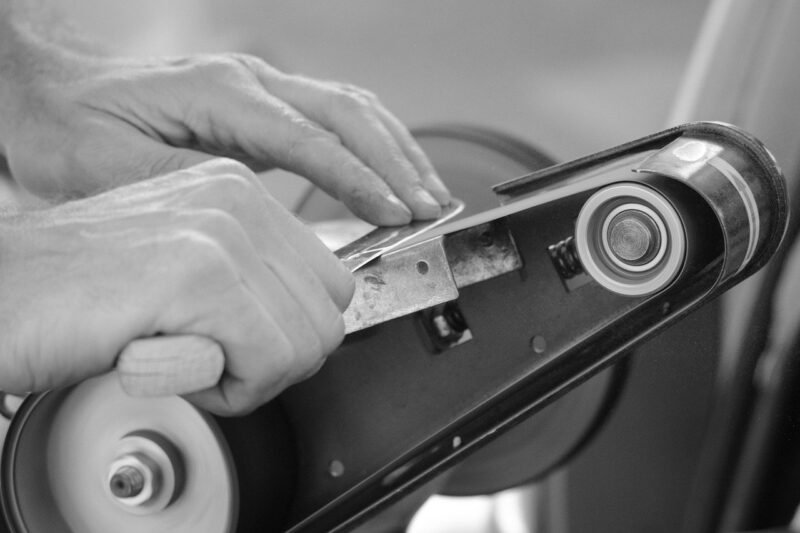
These tools provide a quick and easy way to sharpen knives. However, they can remove more material than necessary, which might affect the knife’s longevity. For occasional cooks, an electric sharpener can be a convenient option.Manual Pull-Through Sharpeners
These compact devices are user-friendly and often affordable. However, they may not provide a consistent edge compared to whetstones. Nonetheless, they are suitable for basic maintenance.Professional Sharpening Services
For high-end knives, seeking professional sharpening services may be a wise investment. Experts can restore the blade to its original condition, but this option might not be practical for regular maintenance.
Signs Your Knife Needs Sharpening
Recognizing when to sharpen your knives is crucial. Here are a few telltale signs:
- Difficulty Cutting: If you find yourself applying excessive force to make cuts, your knife is likely dull.
- Fraying Edges: An uneven or jagged edge is a clear indicator that it’s time for sharpening.
- Nicknamed as “The Pusher”: If your knife has started to push food away rather than cutting through it, it’s time for a sharpening session.
- Visual Inspection: Look closely at your knife’s edge. If it appears rounded rather than sharp and defined, it requires sharpening.
A Sharpening Routine
Implementing a regular sharpening routine can greatly enhance your knife performance. Here are steps to maintain an effective sharpening schedule:
Frequency of Sharpening: For frequent cooks, a sharpening session every few months may suffice. For those who cook daily, consider sharpening every four to six weeks.
Regular Honing: Utilize a honing rod before or after using your knife. This practice can help maintain the edge and delay the need for sharpening.
Clean and Dry: Make sure to clean your knife before and after sharpening to remove any food residue, which can affect the sharpening process.
Angle Consistency: Whether using a whetstone or a manual sharpener, maintain a consistent angle (typically 15 to 20 degrees for Western-style knives) for optimal results.
Test for Sharpness: A simple paper test can gauge sharpness. If the knife can slice through a piece of paper without tearing, it’s sharp.
The Impact on Culinary Skills
A sharp knife not only makes tasks easier but can also lead to greater creativity in the kitchen. As home cooks gain confidence from using sharp knives, they may be inspired to try new techniques or ingredients, enhancing their culinary skills significantly. Engaging in food preparation becomes a more enjoyable and fulfilling experience.
Conclusion: Investing in Quality Tools
Investing in quality knives is only part of the equation. Regular maintenance through sharpening is vital for ensuring these tools serve their purpose optimally. A chef’s knife, paring knife, or serrated knife all benefit from consistent care, and knowing how to sharpen them effectively can elevate your cooking game. Understanding the importance of regular knife sharpening will lead home cooks to take pride in their tools, ultimately resulting in better meals and a safer cooking environment.