


The Science Behind Knife Sharpening: Understanding Angle
Knife sharpening is an art and science that influences how effectively a knife performs. Central to this process is the angle at which the blade is sharpened. Understanding the significance of knife angles can help both amateur cooks and professional chefs optimize their tools, ensuring precision and effectiveness in the kitchen. This article delves into the science behind knife sharpening, particularly focusing on the importance of angles.
The Knife Sharpening Angle
The knife sharpening angle refers to the angle between the cutting edge of the blade and the plane of the knife’s blade profile. When sharpening, this angle directly influences the sharpness, durability, and performance of the knife. Generally, knife manufacturers specify angles between 15 to 20 degrees, but the optimal angle can vary based on usage and type of knife.
Common Sharpening Angles
15 Degrees:
This angle is prevalent among Japanese knives, which are typically sharper than their Western counterparts. A 15-degree edge is perfect for precision tasks, such as slicing vegetables or delicate proteins, but it may require more frequent sharpening.20 Degrees:
This angle is common for Western-style knives. The broader edge provides added durability, making such knives better suited for rigorous tasks, including chopping and dicing harder ingredients.Specialty Angles:
Some niche knives, like those used for filleting or specific culinary tasks, may utilize even steeper or shallower angles. For instance, a fillet knife might be sharpened at 12 degrees for an ultra-fine edge, while a cleaver might exceed 20 degrees for efficiency in heavy chopping.
The Mechanics of Sharpness
The sharpness of a knife is defined not just by how thin the edge is, but also by how well it can maintain that thinness. When a knife is rested on a surface, the edge should ideally be as fine and long as possible to cut through food easily. This edge is often referred to as a “v-edge,” which describes a knife’s two beveled sides coming together to form a point.
The Role of Edge Retention
Different angles affect edge retention—the ability of a knife to maintain its sharpness over time. A knife sharpened at a steeper angle (such as 15 degrees) will slice more easily, but it may dull quicker under heavy use. Conversely, a knife with a wider angle (like 20 degrees) will withstand the rigors of daily kitchen tasks better but may require a bit more effort for precision tasks.
Materials and Their Impact on Angle
Different blade materials also influence how effective various sharpening angles can be. High-carbon stainless steel, for example, can take a finer edge than softer stainless steels, making it better suited for a low-angle sharpening. Conversely, tougher alloys found in some Western knives may perform better with a steeper angle to ensure longevity and durability.
Testing Blade Materials
A common method to test how a specific blade material reacts to different angles is through a cutting test. Jobbers use different sharpening angles on the same knife material, conducting performance tests on varied food items to measure ease of cut and edge retention. These empirical tests conclude that blade material types are as essential as sharpening angles, creating a synergy affecting overall knife efficacy.
The Sharpening Process
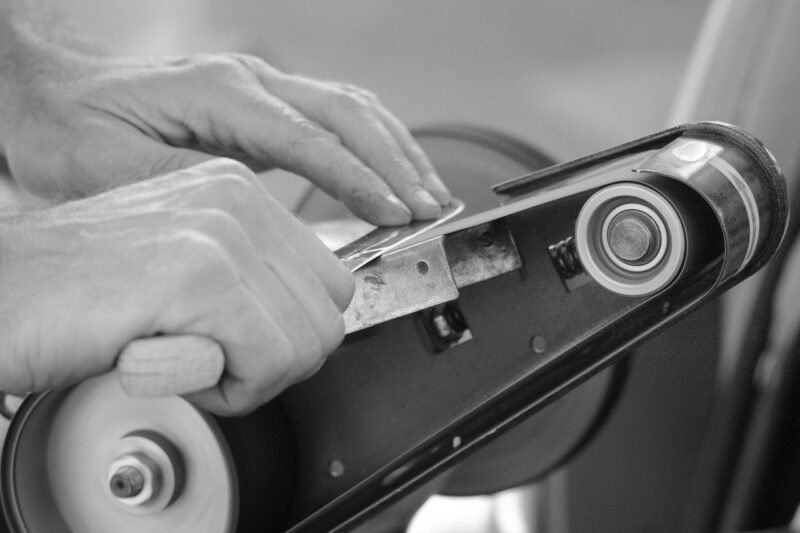
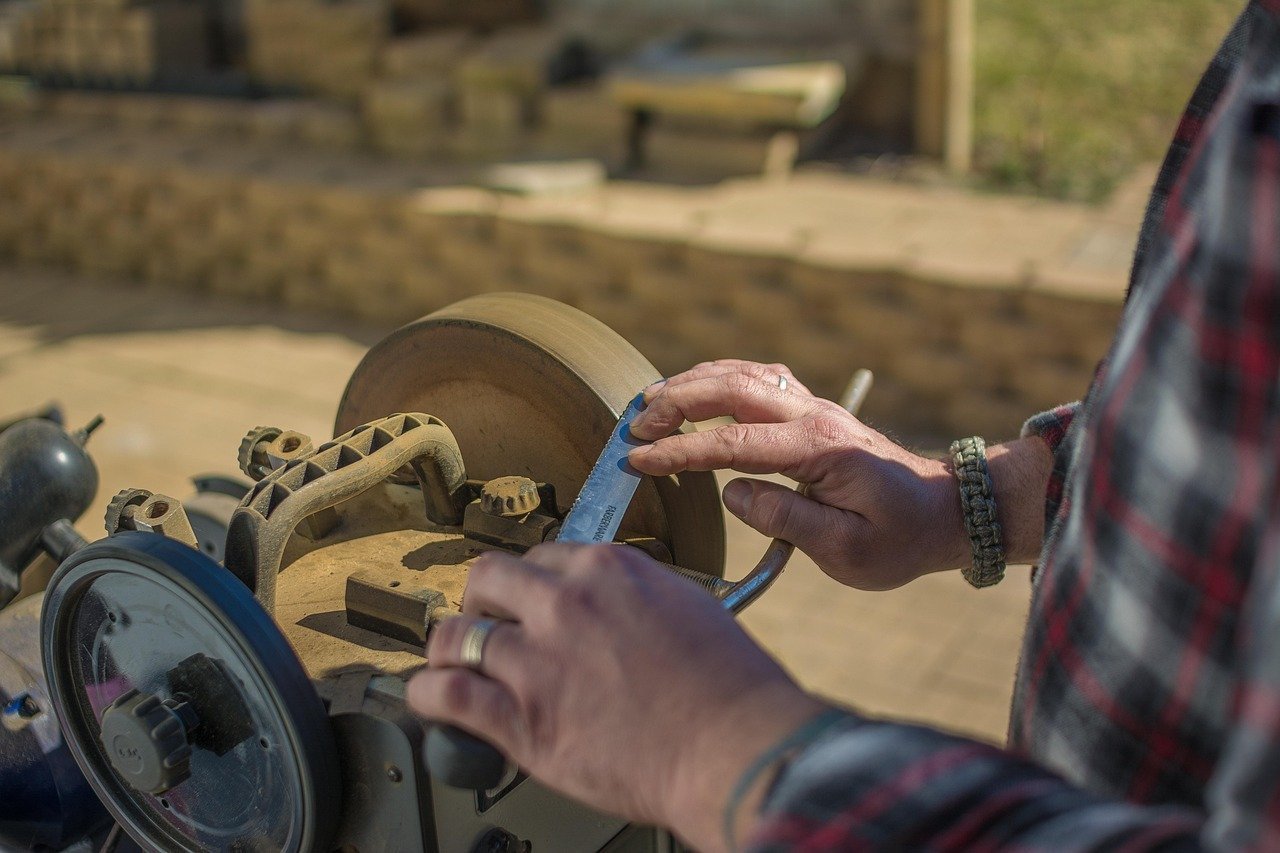
Effective knife sharpening involves a few fundamental steps: selecting the right sharpening tool, correctly positioning the knife, and maintaining consistent angles throughout the sharpening process. Implements like whetstones, honing rods, and electric sharpeners can cater to different needs, but the core principles of maintaining the correct angle remain consistent.
Step-by-Step Sharpening
Choosing the Right Tool:
Select a sharpening tool based on knife material and desired angle. Waterstones are versatile, while ceramic rods cater to finer angles.Setting the Knife Angle:
Position the knife blade to the designated angle, using fixtures or guides if necessary, to ensure precision.Sharpening Motion:
Engage in a smooth motion from heel to tip, ensuring that both sides receive equal attention. This helps maintain balance and prolongs the knife’s lifespan.Final Honing:
After sharpening, a honing process refines the edge to make it smoother and reduce resistance. This step is crucial for achieving the perfect cutting edge.
Maintaining Your Knife
Beyond initial sharpening, maintaining the knife is equally important. Regular honing—a process distinct from sharpening that realigns the edge—ensures the knife remains sharp longer. The technique involves running the blade across a honing rod at the same angle used during sharpening.
Practical Tips for Hobbyists and Professionals
Test Your Angles:
Use a protractor or angle guide to ensure the angle is precise. Even slight deviations can significantly influence effectiveness.Practice Makes Perfect:
Like any skill, effective knife sharpening requires practice. Use inexpensive knives to practice until you achieve your desired proficiency.Hold the Knife Firmly:
Apply consistent pressure while maintaining the angle throughout the entire stroke to ensure uniform sharpening.Regular Maintenance:
Invest in a good honing rod to keep edges aligned and extending the time between sharpenings.Know When to Sharpen:
A knife that requires excessive force to cut is usually due for sharpening. Listen to the feedback through the cutting process.
Conclusion of Knife Sharpening Science
Understanding the science behind knife sharpening angles is essential for maximizing the performance and longevity of your cooking tools. The right angle can transform a dull blade into a razor-sharp culinary asset. Through consistent practice, appropriate maintenance, and a clear comprehension of the principles involved, anyone can master the art of knife sharpening, enhancing both efficiency and pleasure in the kitchen. The significance of angles in the sharpening process cannot be understated—they are the foundation that determines how well a knife will slice, dice, and chop.