


Understanding the Basics of Meat Boning Knives
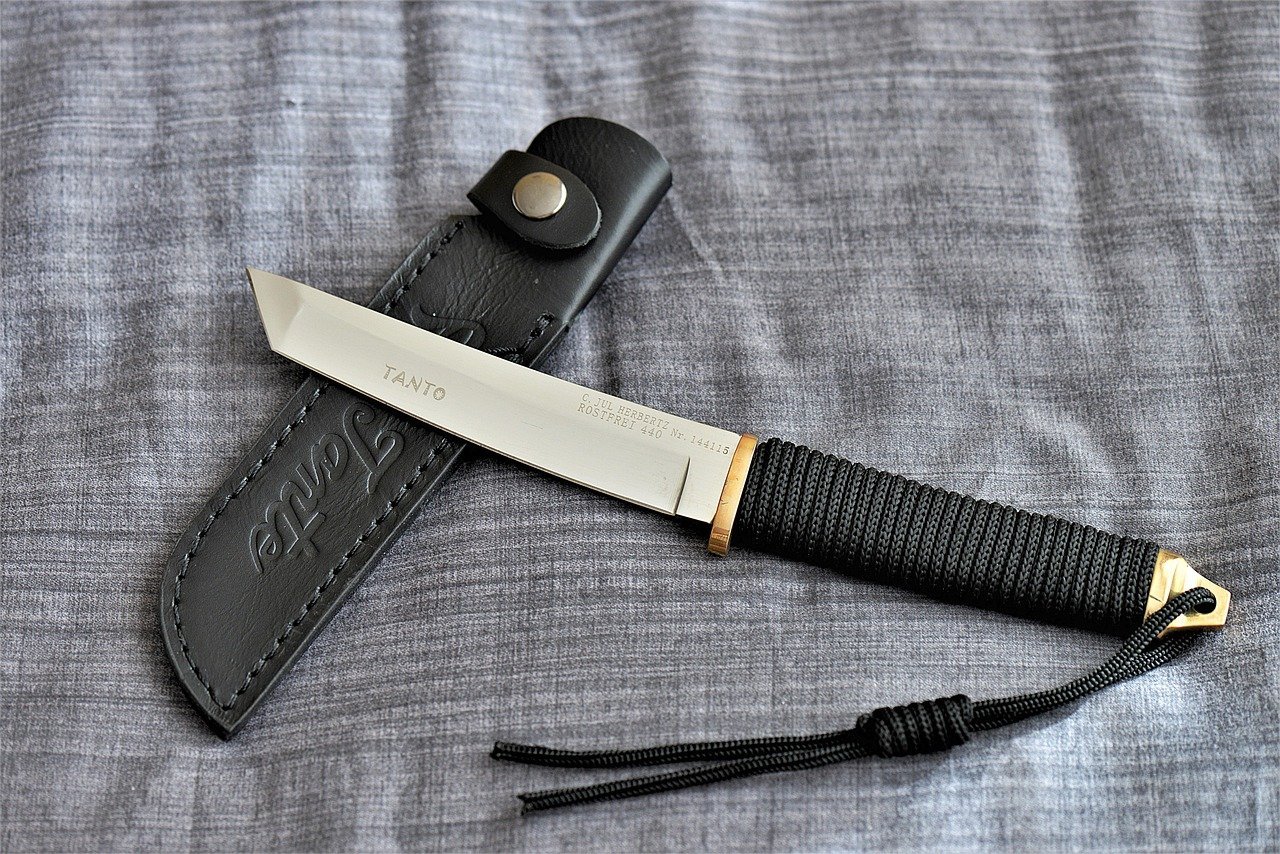
A meat boning knife is an essential tool for butchers and culinary enthusiasts alike. This knife is specifically designed to help separate meat from bones, making it a staple in meat preparation. Unlike general-purpose knives, boning knives have unique characteristics that optimize their use in the kitchen. The most important features include a thin, flexible blade, a sharp point for precision, and a handle that offers a good grip for control during use.
Blade Design
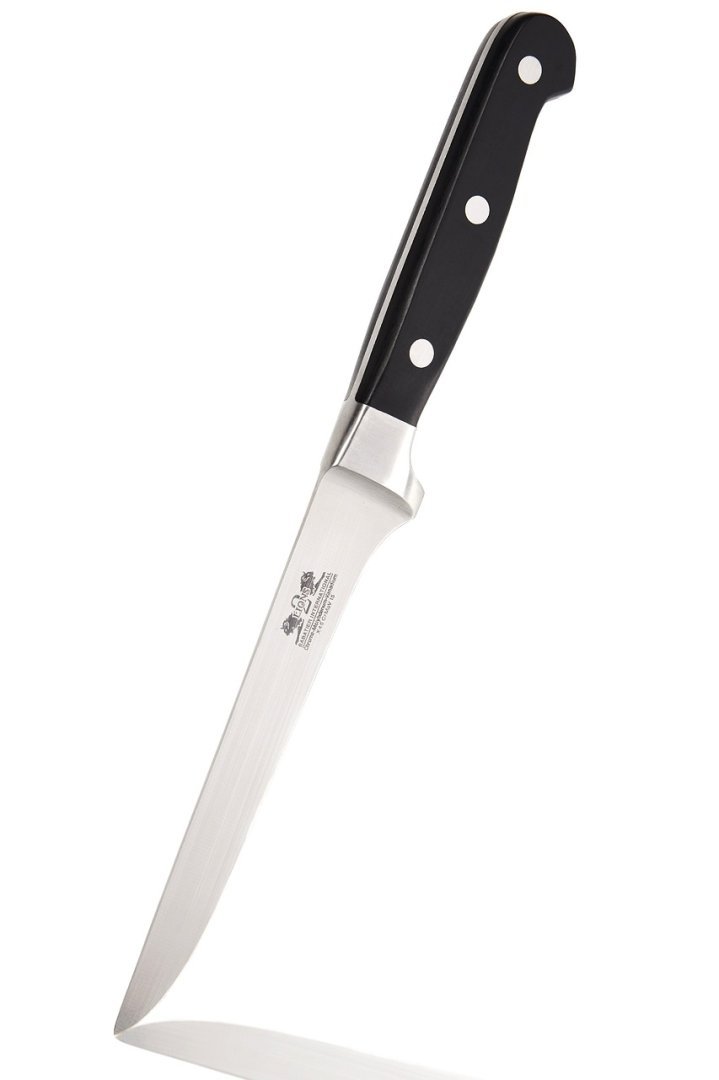
The blade of a boning knife typically ranges from 5 to 7 inches in length. The design can vary, but most often, they feature a curved or straight edge.
Curved Blades: These are preferred by many chefs as they allow for more natural slicing along the contours of bones. The curved edge aids in smooth transition while working around joints and various body parts of meat.
Straight Blades: Ideal for separating meat from bones where precision and straight cuts are required. These blades are often beneficial when working with larger cuts of meat.
Materials Matter: Blade Composition
The material of the blade plays a significant role in performance, longevity, and ease of maintenance. Common materials include stainless steel, high-carbon stainless steel, and ceramics.
Stainless Steel: The most common choice for boning knives, stainless steel is resistant to rust and corrosion, making it ideal for kitchen environments. However, some cheaper stainless steels may dull quickly and may require frequent sharpening.
High-Carbon Stainless Steel: Offers superior sharpness and holds an edge longer than regular stainless steel, making it the preferred choice among professionals. While resistant to rust, it may require more care than regular stainless steel.
Ceramic Blades: Lightweight and extremely sharp, ceramic blades do not rust or discolor. They are, however, more fragile and can chip if misused.
Flexibility and Thickness of the Blade
The flexibility of a boning knife is crucial for maneuvering around bones. A more flexible blade allows for better control, especially when working with smaller cuts or intricate tasks.
Flexible Blades: These are perfect for skinning or filleting meat because they conform to the meat’s shape.
Stiffer Blades: While they provide greater control for heavier cuts and tougher meats, they are not as versatile compared to flexible blades.
Handle Types: Grip and Comfort
When selecting a boning knife, the handle must also be taken into account. A comfortable grip can significantly enhance your precision and control while working with the knife.
Material Options:
- Wood: Traditional and ergonomic; however, it may not be as hygienic if not well maintained.
- Plastic: Often lightweight and can come in various colors and designs. It’s also easy to clean.
- Composite Materials: Offers a good balance of comfort, slip resistance, and durability but can be pricier.
Ergonomic Design: Look for knives with contoured handles that fit comfortably in your hand. They should have enough texture to prevent slipping, especially when wet.
Weight Balance
The weight balance of a boning knife can significantly affect the ease of use. A well-balanced knife allows smoother motions and gives you more control during cuts.
Weight Distribution: Ideally, the weight should be evenly distributed between the blade and handle. Holding the knife should feel natural and controlled, minimizing fatigue over long periods of use.
Heavier Blades: While they may offer more leverage, they can tire your hand if used for extended periods.
Brands Worth Considering
Certain brands have gained a reputation for producing high-quality meat boning knives. Familiarizing yourself with these can streamline your selection process.
Wüsthof: Renowned for its precision and durability, Wüsthof offers a variety of boning knives designed for both professionals and home cooks.
Victorinox: Known for quality craftsmanship at a market-friendly price, Victorinox’s boning knives are lightweight and easy to handle, making them ideal for everyday use.
Shun: If you’re looking for a high-end option, Shun offers stunningly designed knives crafted with professional chefs in mind. Their blades are often made using traditional Japanese techniques.
Mercer Culinary: Providing reliable performance at a reasonable price, Mercer Culinary is a favorite among culinary students and inexperienced cooks.
Price Points and Value
When budgeting for a boning knife, price can range significantly based on brand, materials, and overall build quality.
Entry-Level Options: These knives can range from $20 to $50. They may not offer the same longevity or performance as higher-end options but can serve well for beginners.
Mid-Range Choices: Priced between $50 to $150 can provide better edge retention, ergonomics, and quality materials.
Premium Knives: Prices can soar from $150 to over $300. These are usually crafted from high-quality materials and designed for professionals needing reliable performance and longevity.
Maintenance and Care
To ensure your boning knife continues to perform at its peak, proper maintenance is crucial.
Sharpening: A dull knife can lead to accidents and increased effort while cutting. Invest in a quality sharpening stone or honing steel, or consider professional sharpening services.
Cleaning: Always hand wash your boning knife with warm soapy water. Avoid the dishwasher as it can dull the blade and damage the handle.
Storage: Use a knife block, magnetic strip, or protective sheath to store your knife. This helps prevent accidental damage and keeps your blade sharp.
Practical Uses for a Boning Knife
Understanding the range of tasks you can accomplish with a boning knife can enhance your culinary skills.
Deboning: Its primary function is to separate meat from bones, making it essential for preparing cuts like chicken or pork.
Filleting: Perfect for working with fish, the flexibility of the boning knife allows for smooth, precise cuts.
Trimming Fat: The sharp blade can easily remove excess fat from meat, resulting in cleaner cuts and healthier meals.
Skinning: Ideal for removing skins from poultry or fish, allowing for more versatile cooking options.
Butchering: Whether in a professional butcher shop or home kitchen, a boning knife is indispensable for breaking down larger cuts of meat.
Finding Your Perfect Boning Knife
Choosing the best meat boning knife involves considering various factors, such as blade design, material, handle comfort, and brand reputation. By focusing on the intended use, you can narrow down your choices significantly.
Whether you’re a beginner just starting your journey in the kitchen or a professional chef looking to expand your collection, knowing what to look for in a boning knife will lead you to the perfect tool for your culinary needs. Pay attention to each aspect of the knife—from blade flexibility to grip comfort—to ensure you select a boning knife that meets your expectations for performance, durability, and aesthetics in the kitchen.