


Understanding Knife Sharpening
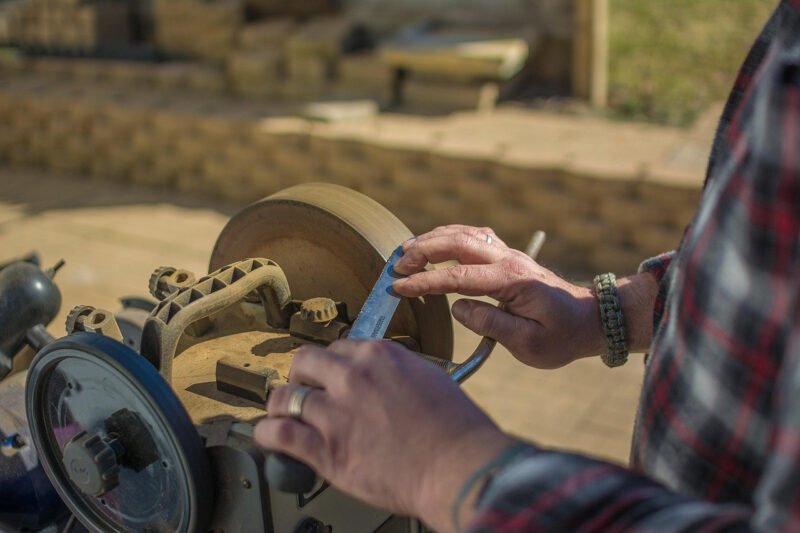
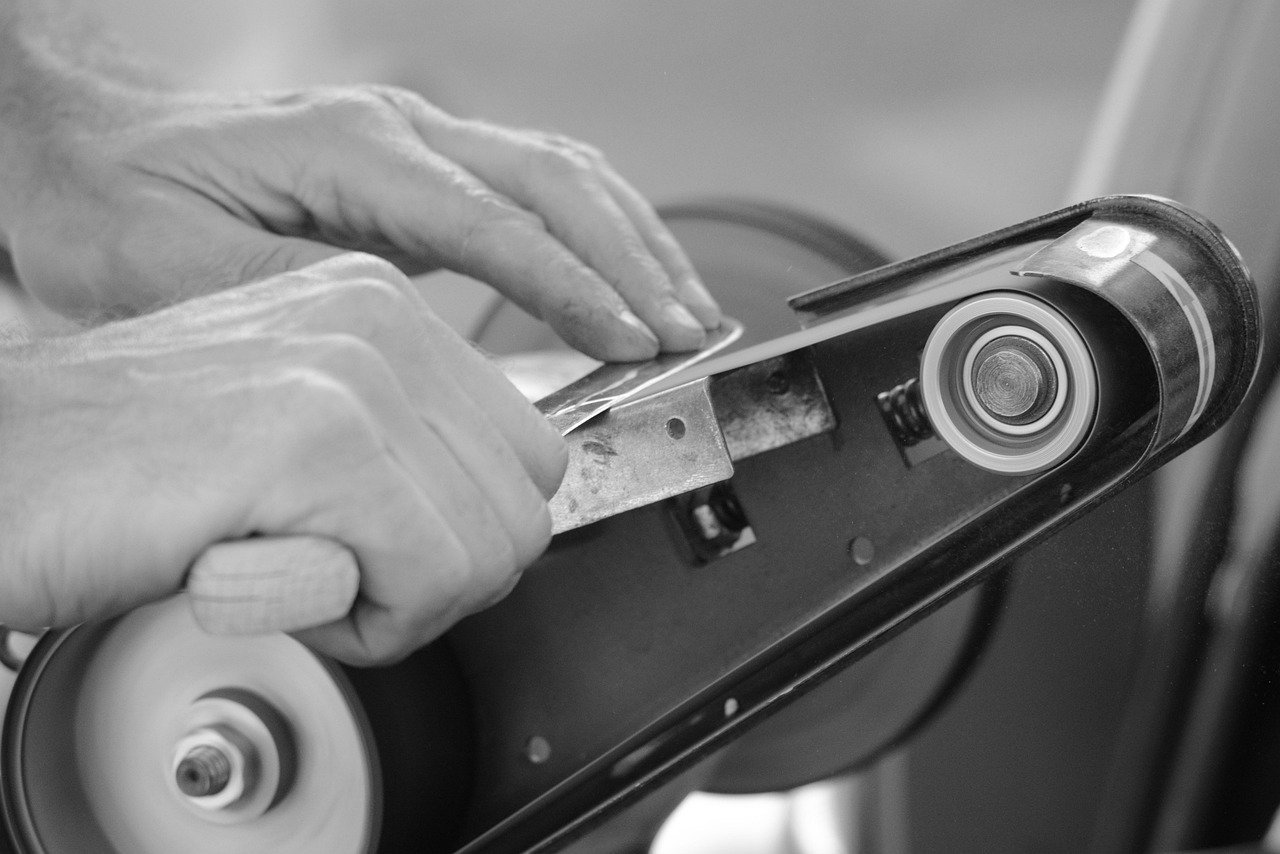
Knife sharpening is an essential skill for any culinary enthusiast or professional chef. Dull knives not only make cooking more difficult but can also be dangerous. Knowing how to effectively sharpen your knives depends on choosing the right tools, whether manual or electric sharpeners.
Manual Knife Sharpeners
Types of Manual Sharpeners
- Whetstones: These are flat stones made of abrasive material. They require water or oil for lubrication. Using a whetstone allows for precise control over the angle and pressure applied, making it popular among professional chefs.
- Honing Rods: Often used to realign the blade edge, honing rods do not remove much material; rather, they are great for maintaining sharpness between sharpenings.
- Pull-Through Sharpeners: These sharpeners feature a guide that helps maintain the knife angle. They’re user-friendly and suitable for novice chefs but are less precise than rocks or rods.
- Handheld Sharpeners: These are compact tools that usually consist of two sharpening slots; one for coarse sharpening and another for fine honing.
Pros of Manual Sharpeners
- Precision and Control: Manual sharpeners provide better control over the sharpening angle, allowing for a finer edge and reducing the risk of accidental damage to the blade.
- Affordability: Generally, manual sharpeners are cheaper than electric versions, making them accessible.
- No Power Requirement: Manual sharpeners can be used anywhere, making them convenient for outdoor chefs or those without access to electrical outlets.
- Better for Specialized Edges: Manual options can handle specialized knives (e.g., Japanese) that require specific angles for optimal performance.
Cons of Manual Sharpeners
- Time-Consuming: Sharpening with a whetstone or honing rod requires skill and time, especially for beginners.
- Steeper Learning Curve: Understanding the correct angle and technique takes practice, making it less user-friendly for novices.
- Physical Effort: Manual sharpening can be tiring, particularly for those with a lot of knives or those dealing with harder steels.
Electric Knife Sharpeners
Types of Electric Sharpeners
- Two-Step Sharpeners: These feature two slots — one for coarse and one for fine sharpening. They are designed for quick and effective sharpening.
- Multi-Stage Systems: These systems often have additional slots for different purposes, such as honing or polishing. They provide a more comprehensive sharpening process.
- Professional-Grade Models: High-end electric sharpeners are designed to deliver precise results and can accommodate various blade types and angles.
Pros of Electric Sharpeners
- Speed: Electric sharpeners can sharpen knives quickly, making them ideal for busy kitchens or those with many knives.
- Ease of Use: These sharpeners require less skill, as they often guide the user through the sharpening process.
- Consistency: Electric sharpeners provide consistent results, reducing human error and ensuring every sharpening session yields similar outcomes.
- Built for Various Blade Types: Many electric sharpeners can handle serrated knives and can adapt to different angle requirements.
Cons of Electric Sharpeners
- Cost: Electric models can be significantly more expensive than manual sharpeners, which may deter budget-conscious users.
- Limited Control: While they offer ease of use, some electric sharpeners compromise on control, making them less suitable for high-end or specialty knives.
- Dependence on Power: These sharpeners require electricity, limiting usability in outdoor or remote settings.
- Potential Damage: Over-reliance on electric sharpeners can lead to the removal of too much material, shortening a knife’s lifespan.
Performance Comparison
Sharpening Quality:
Manual sharpeners, when used correctly, can produce superior results, as they allow for more precision in blade maintenance. Electric sharpeners may sharpen quickly but can lack the finesse necessary for extremely sharp and durable edges.
Speed:
Electric sharpeners clearly outpace manual methods in speed. For users who cook frequently and require a sharp knife quickly, electric sharpeners are a practical solution.
Versatility:
Manual sharpeners can accommodate a broader range of knives, including specialty knives, while electric sharpeners are sometimes limited in this scope.
Maintenance:
Manual sharpeners may require periodic replacement of whetstones or honing rods, while electric sharpeners need regular cleaning to ensure they function effectively.
User Experience
For novices and those who find manual sharpening intimidating, electric sharpeners offer a straightforward alternative. Many users appreciate the simplicity of placing the knife in the slot and allowing the machine to do the work. However, experienced chefs might find that they prefer the control and quality offered by manual methods, often viewing sharpening as a skill that enhances their kitchen repertoire.
Popular Brands Comparison
Manual Sharpeners:
- King: Known for its quality whetstones, perfect for producing razor-sharp edges.
- Chef’sChoice: Offers great pull-through models that provide excellent results with minimal effort.
- F. Dick: Renowned for their honing rods, which allow for consistent blade alignment.
Electric Sharpeners:
- Chef’sChoice: Highly rated for reliability and performance, suitable for various knife types.
- Work Sharp: Offers versatile electric sharpeners capable of adapting to different blade shapes and angles.
- Brod & Taylor: Known for their premium electric sharpeners that cater to professional chefs and serious enthusiasts.
Hybrids: The Best of Both Worlds
A new trend in knife maintenance is using hybrid sharpeners that combine manual and electric features. These tools offer the best of both worlds, allowing for an electric sharpening process followed by manual honing to achieve a superior cutting edge. Hybrid devices can attract users who seek precision and speed without compromising the integrity of high-quality blades.
Maintenance Tips for Knife Sharpeners
Regardless of the sharpening method chosen, proper care is essential:
- Cleaning: Regularly clean manual sharpeners to remove debris and prevent rust. For electric sharpeners, follow the manufacturer’s guidance on cleaning the internal components.
- Storage: Store sharpening tools in a designated area to avoid damage. Whetstones should be kept dry and flat, while electric sharpeners should be protected from moisture.
- Specifications: Always adhere to the manufacturer’s specifications for use to maximize the lifespan and performance of both knife and sharpener.
Choosing the Right Sharpener
When investing in a sharpener, consider:
- The types of knives you own.
- Your skill level and comfort.
- Frequency of use.
- Your budget.
- Available storage space for the sharpener.
Both manual and electric knife sharpeners cater to different needs and preferences. Ultimately, the best option relies on the user’s lifestyle and specific culinary requirements.