


Tips for Maintaining Your Whetstone for Optimal Knife Performance
Understanding Whetstones
Whetstones, or sharpening stones, are essential tools for knife maintenance, providing a means to sharpen, refine, and maintain the blade’s edge. Made from various materials—such as ceramic, diamond, or natural stone—whetstones offer different grits for various sharpening needs. To ensure optimum performance and longevity, it’s imperative to properly maintain these sharpening tools.
Selection of Quality Whetstones
Investing in a high-quality whetstone is the first step toward effective knife maintenance. Look for reputable brands known for consistency in granularity and durability. While natural stones are preferred by some for their unique cutting properties, synthetic stones often provide more uniform results. Aim for a combination whetstone with multiple grits to tackle different sharpening tasks, typically featuring a coarse side (200-600 grit) for dull blades and a fine side (1000-3000 grit) for honing the edge.
Regular Cleaning
Maintaining cleanliness is crucial for your whetstone to function effectively. After each use, rinse the stone under running water to remove metal filings and debris. It’s beneficial to scrub the surface with a soft brush or a non-abrasive sponge to eliminate any residue that might accumulate. For deeper cleaning, use a soapy water solution and dry it thoroughly afterward. This prevents any buildup that may affect the sharpening performance and extends the life of your stone.
Flattening Your Whetstone
Over time, whetstones can become uneven from regular use. A flat surface is crucial for effective sharpening. To flatten your whetstone, use a flattening stone or coarse diamond stone. Apply water to the surface of the whetstone to create a slurry, then rub the flattening tool back and forth until the whetstone achieves a flat surface. Check evenness with a straight edge or ruler to ensure optimal sharpening conditions. Flattening should be done regularly, especially after significant sharpening sessions.
Proper Storage
Storage plays a vital role in the longevity of your whetstone. To prevent damage, always store your stone in a cool, dry place away from direct sunlight. If your whetstone becomes wet, ensure it is dry before storing it, as prolonged exposure to moisture can lead to mold and other deterioration. Some users prefer placing their whetstone in a protective case to guard against physical damage, while others recommend using silicone mats to absorb any excess moisture.
Using Water vs. Oil
Most whetstones require some form of lubricant during sharpening. While water is a common choice for many stones, some natural whetstones may utilize oil for ease of sharpening. Always consult the manufacturer’s instructions regarding your specific whetstone. If using a water stone, soak it for at least 10-15 minutes before use. Ensure proper lubrication during sharpening, as it aids in the formation of a sharpening slurry that enhances cutting efficiency.
Avoiding Excessive Pressure
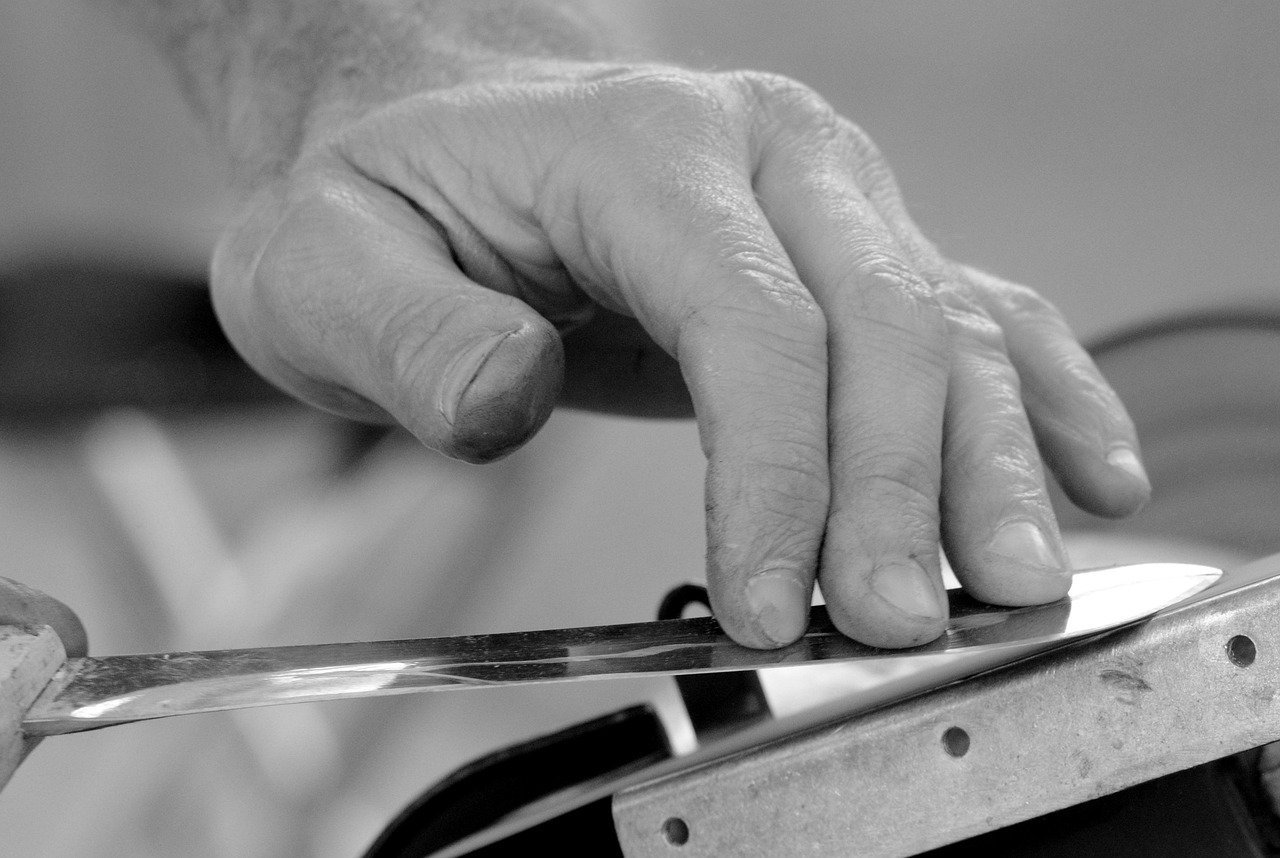
When sharpening a knife using a whetstone, apply gentle and consistent pressure. Excessive force can not only damage your knife but also wear down the stone unevenly, leading to a quicker loss of flatness. Utilize a light, even pressure as you slide the blade across the stone, maintaining the correct angle—typically around 15 to 20 degrees for most knives. A smooth and controlled motion will provide the best results.
Regular Use
It’s vital to keep your whetstone regularly used to prevent it from becoming excessively worn or having uneven wear patterns. Incorporate your sharpened tools into routine tasks; this maintains their edge and keeps your whetstone actively in use, distributing wear evenly. Sharpening your knives regularly minimizes the need for aggressive edge restoration and helps preserve the integrity of both the knife and the stone.
Monitoring the Stone’s Condition
Pay close attention to the surface condition of your whetstone. Over time, stones can develop grooves, pitting, or other imperfections that can hinder performance. Inspect your whetstone regularly, and when you notice significant wear, consider re-flattening or, if necessary, replacing the stone. Monitoring the health of your whetstone ensures it continues to provide optimal sharpening conditions.
Understanding Grit Requirements
Different applications require different grits. For major edge restoration, coarse stones (200-600 grit) are recommended. For regular maintenance and light honing, the finer sides (1000-3000 grit) are ideal. Learning to use various grits effectively will enhance the overall performance of your knives and ensure the whetstone remains a useful tool in your repertoire.
Avoiding Cross-Contamination
If you use multiple types of whetstones, avoid cross-contamination between different grits or types, particularly between oil stones and water stones. This can lead to inefficient sharpening and the reduction of the stone’s effectiveness. Maintain dedicated stones for specific tasks or ensure that stones are thoroughly cleaned between uses to ensure optimal results.
Emergency Repairs and Resurfacing
In the event of significant damage or deterioration, reshaping the worn surface of your whetstone might be necessary. You can use a diamond plate or a dedicated flat sharpening stone to bring your whetstone back to a usable condition. Regular maintenance and attention will reduce the frequency of such repairs, but having a contingency plan is always wise.
Seeking Professional Help
If you encounter persistent issues or feel uncertain about how to maintain or utilize your whetstone correctly, consider seeking advice from professionals or experienced sharpeners. Various tutorials and forums are available where experts share their insights and techniques. Investing a little time in education can significantly improve your knife maintenance routine and encourage the best practices in stone usage.
Keeping a Maintenance Schedule
Developing and adhering to a personal maintenance schedule for your whetstone can improve its longevity. Regular cleaning, flattening, and usage should be planned based on your usage frequency. Establish intervals for checking the condition of your whetstone and your knife’s edges. This proactive approach will prevent issues before they escalate into larger problems.
Inspection Before Use
Before using your whetstone, inspect it for any visible signs of damage, such as cracks or chips. These imperfections can affect the sharpening process and compromise the integrity of your knives. If such defects are present, it may be time to replace the stone or consider its repair, ensuring a safe and effective sharpening process.
Conclusion on Whetstone Maintenance
Your whetstone can be a reliable companion in your culinary adventures if properly maintained. Regular care ensures that it operates efficiently while keeping your knives in peak condition. Emphasizing cleanliness, proper usage, and routine checks will lead to an enduring sharpening tool that ensures your knives remain razor-sharp for years to come. Maintain awareness and embrace best practices, and your efforts will yield delicious results in your kitchen endeavors.