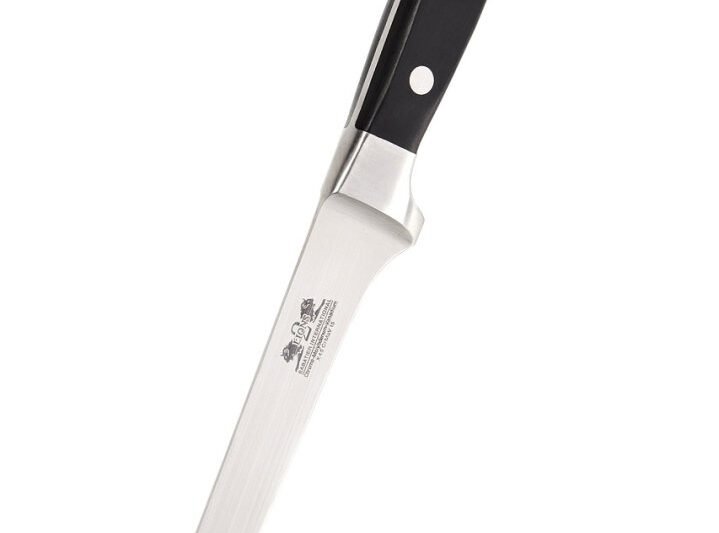




Understanding Carving Knives
A carving knife is a specialized tool that is indispensable for slicing meats, roasts, and poultry. Unlike standard knives, carving knives feature a long, narrow blade designed to create clean, precise cuts. The angle, handle design, and blade length significantly influence the performance of a carving knife. Familiarizing yourself with its specifications is essential for making an informed choice.
Blade Material Options
Stainless Steel: This is the most common material, known for its corrosion resistance and ease of maintenance. High-carbon stainless steel provides the best balance between hardness, sharpness, and durability, making it a popular choice among both home cooks and professional chefs.
High-Carbon Steel: While more robust and capable of achieving a sharp edge, high-carbon steel requires more care to prevent rust and staining. Regular oiling and immediate cleaning after use will prolong its life.
Ceramic: Ceramic blades are incredibly sharp and maintain their edge longer than steel. However, they are more brittle and prone to chipping, making them less practical for heavy-duty use.
Blade Length and Design
Blade length can dictate the knife’s utility. Common lengths range from 8 to 15 inches. Here’s how to select the ideal length:
- 8-10 Inches: Ideal for smaller roasts and poultry. These sizes offer a balance between maneuverability and cutting performance.
- 12-15 Inches: Usually preferred for larger cuts, such as entire briskets or prime rib. These longer blades can provide long, smooth cuts, resulting in beautifully presented slices.
The blade‘s design will also affect performance. A tapered blade reduces drag as you cut and helps achieve clean slices.
Handle Ergonomics
A comfortable handle is vital for efficient carving. Consider these factors when selecting a carving knife:
Material: Handles can be made from wood, plastic, or composite materials. Wooden handles provide a traditional aesthetic and excellent grip but may require regular maintenance. Plastic and composite handles are more durable and dishwasher-safe.
Shape: Look for a handle that fits comfortably in your hand. Contoured or ergonomic designs can reduce fatigue during long tasks, while textured grips enhance control during cutting.
Balance: A well-balanced knife will feel lighter and easier to maneuver. Hold it in your dominant hand, ensuring its weight distribution feels comfortable.
Choosing the Right Style
There are several types of carving knives you can choose from:
Traditional Carving Knife: A long, straight blade ideal for general carving tasks. Perfect for creating precise slices of meat and can handle larger cuts.
Electric Carving Knife: This model is excellent for those who may struggle with manual slicing. Electric versions make quick, uniform cuts, particularly useful for large gatherings.
Slicing Knife: Often longer with a slight curve, this knife excels at creating even slices and maintaining the meat’s juices.
Fork: A carving fork often accompanies a carving knife, used to hold the meat steady while slicing. Always opt for a matching set for consistency in style and performance.
Brand Reputation and Warranty
Brand reputation matters when choosing a carving knife. Established manufacturers often invest in quality materials and craftsmanship. Research brands known for their kitchen tools—Wüsthof, Shun, Victorinox, and Henckels are just a few renowned names. Further, consider the manufacturer’s warranty policy. A good warranty indicates confidence in their product quality and longevity.
Price Considerations
Pricing for carving knives can range widely. Here’s a brief overview of expectations:
Budget Options ($20-$60): These knives may suffice for occasional use but often lack durability and sharpness retention. Look for reputable brands even within this range.
Mid-Range Options ($60-$150): A significant step up in quality. These knives balance performance and price, making them ideal for regular users and culinary enthusiasts.
High-End Options ($150 and above): Professional-grade knives often made with premium materials and superior craftsmanship. Suitable for serious cooks or those with a passion for culinary arts.
Maintenance and Care
Sharpening: Regular sharpening is crucial to maintain the knife’s edge. Using a whetstone or honing steel can help you achieve smooth cuts without exerting too much pressure.
Cleaning: Hand wash your carving knife with warm, soapy water. Avoid the dishwasher; extreme heat can damage handles and dull blades.
Storage: Investing in a knife block, magnetic strip, or sheath will help protect the edge and keep your kitchen organized. Avoid drawer storage that may result in blade nicks.
Testing Before Purchase
If possible, handle the knife before purchasing. Grip it firmly to gauge comfort and control. Perform a test cut on a piece of soft fruit or vegetable to evaluate the knife’s performance.
Reading Reviews
Online reviews can provide insight into a specific knife’s performance and durability. Look for detailed feedback, focusing on long-term use rather than initial impressions. This can help you avoid knives that might offer a great first impression but do not hold up over time.
Conclusion on Your Carving Knife Purchase
Selecting the best carving knife requires an understanding of your specific needs, preferences, and cooking style. By considering blade material, design, handle ergonomics, and price, you can invest in a carving knife that will serve you well for years.