



Understanding Your Knives
Types of Knives
Before diving into care routines, it’s essential to understand the types of knives you are dealing with:

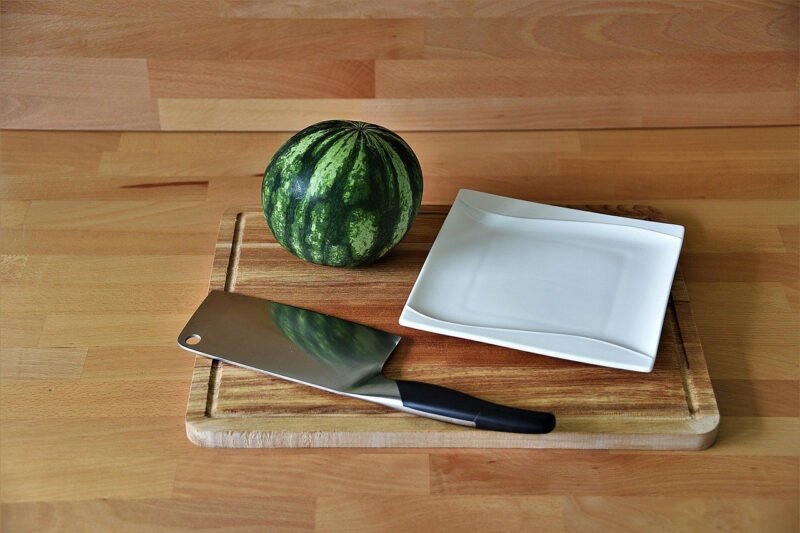
- Chef’s Knife: A versatile tool for chopping, slicing, and dicing.
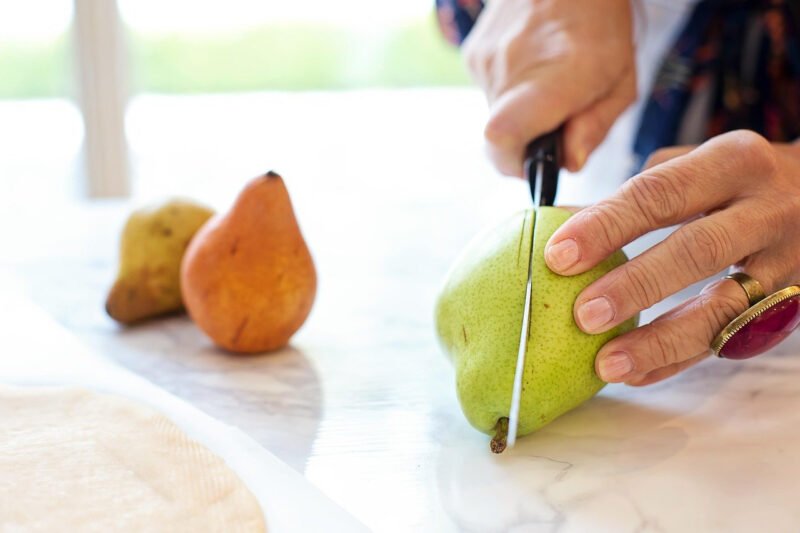
- Paring Knife: Best for intricate work such as peeling and trimming.
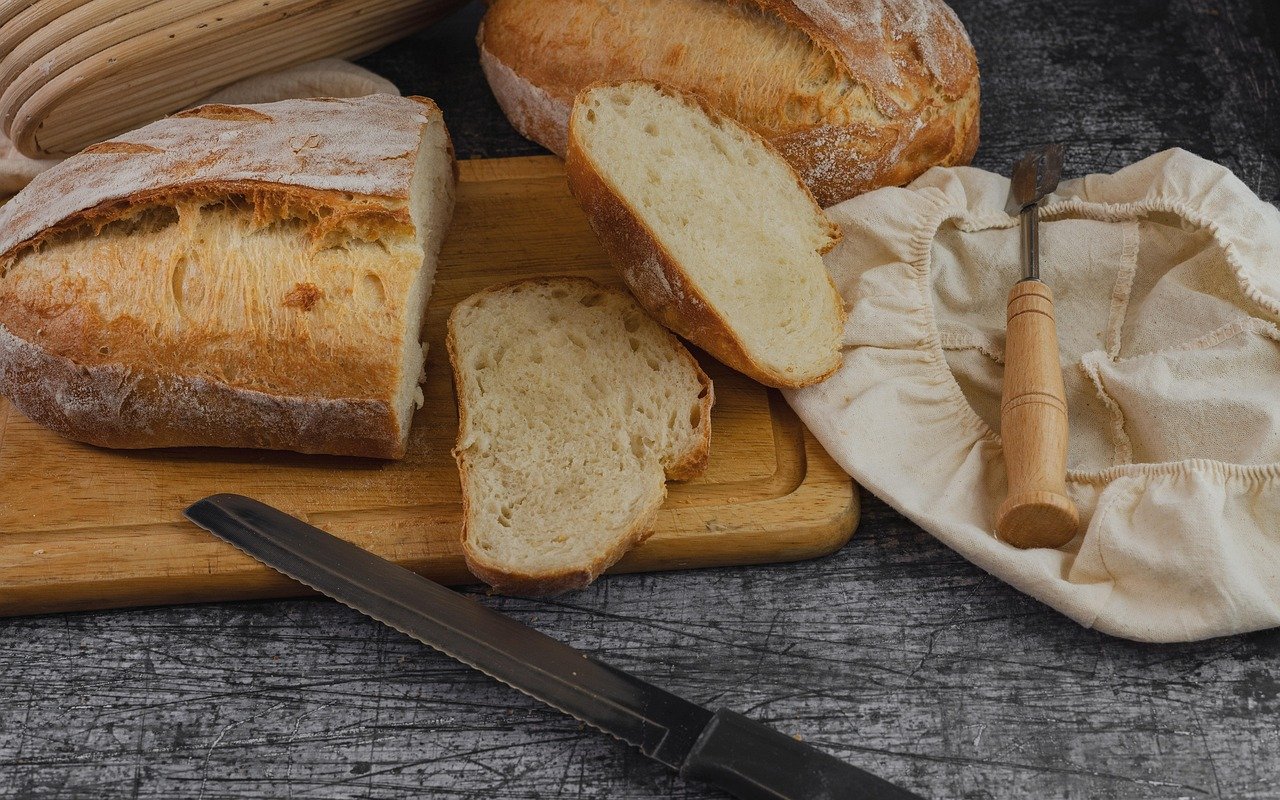
- Serrated Knife: Ideal for bread and pastries.
- Utility Knife: Great for various kitchen tasks.
- Boning Knife: Perfect for separating meat from bone.
Each knife has specific care requirements based on its material and design.
Cleaning Your Knives
Hand Washing
Always hand wash your knives immediately after use. Use warm water and mild dish soap to clean the blade and handle. Avoid soaking them as this can promote corrosion, especially for non-stainless steel knives.
Avoid the Dishwasher
Dishwashers can be harsh on knives, exposing them to unnecessary moisture, high heat, and abrasive detergent. Over time, this can dull the blade, damage the handle, and increase the risk of rusting.
Drying
After washing, dry the knife immediately with a soft cloth. This prevents water stains and rust. Always dry the blade from the handle towards the tip to avoid cutting yourself.
Sharpening Your Knives
Frequent Sharpening
Regularly sharpen your knives to maintain their performance. A dull knife requires more pressure when cutting, leading to accidents. Most chefs recommend sharpening your knives every few uses, depending on how frequently you cook.
Types of Sharpeners
- Whetstone: Offers a traditional sharpening method and allows for precise control. Use different grits for initial sharpening and honing.
- Honing Rod: Used to realign the edge of the blade between sharpenings. It’s a quick maintenance tool.
- Electric Sharpener: A fast method to restore blades but may remove more material than necessary if not used carefully.
Technique
When using a whetstone, apply consistent pressure and maintain a 15-20 degree angle throughout the process. Pass the blade across the stone from heel to tip. For honing, gently swipe the blade along the rod, alternating sides.
Storing Your Knives
Knife Blocks and Magnetic Strips
Use a knife block or magnetic strip to store your knives safely. This keeps the blades sharp and protects them from contact with other kitchen utensils. Avoid storing knives loose in a drawer, as this can lead to dulling and accidents.
Drawer Inserts
If you prefer storage in drawers, invest in a knife drawer insert that allows for safe, organized storage. This protects the blades from damage while keeping them easily accessible.
Blade Guards
For safe transport or storage in bags, use blade guards to protect the knife edge. This is especially important for chefs who travel and need to carry their knives.
Preventing Rust and Corrosion
Choosing the Right Materials
For those serious about their culinary skills, investing in high-quality stainless steel knives helps resist rust. However, even stainless steel can tarnish if not properly cared for.
Oiling Your Knives
Occasionally apply food-safe mineral oil or camellia oil to wooden handles and blades to protect from moisture and prevent rust. This is especially beneficial for high-carbon steel blades.
Storage Conditions
Store your knives in a dry place. High humidity can foster rust. If possible, keep your kitchen well-ventilated, and consider using silica gel packets in storage areas to absorb moisture.
Usage Tips
Cutting Boards
Always use appropriate cutting boards for your knives. Wood and bamboo boards are preferable for most kitchen knives as they do less damage to the blade edges compared to glass, ceramic, or stone surfaces.
Avoiding Hard Surfaces
Do not cut on hard surfaces such as metal or glass, as they can dull your knife quickly. Invest in good-quality cutting boards made from soft materials.
Never Use Knives for Non-Culinary Tasks
Avoid using your kitchen knives for tasks such as prying open cans or boxes, as this can damage the blade and lead to injury.
Understanding Knife Performance
Recognizing When to Sharpen
A knife that requires excessive pressure to cut or shows signs of snagging on food should be sharpened immediately. Listen to the feedback your knife provides to understand its condition.
Testing Sharpness
You can test sharpness by slicing through a piece of paper or a tomato. A well-maintained knife should glide effortlessly through both.
Professional Sharpening
Consider professional sharpening at least once a year. A professional smith can restore knives to their original sharpness and address any damage properly.
Educational Resources
Online Videos and Tutorials
Consider exploring YouTube channels dedicated to culinary techniques for hands-on learning about knife care, sharpening, and use. Many professional chefs share their insights and tips.
Cookbooks and Blogs
Numerous cookbooks emphasize the significance of quality knife work and maintenance. They provide insights into how professional chefs care for their tools.
Workshops
Look for workshops or classes at local cooking schools. They can offer hands-on experiences to learn knife skills and care more effectively.
Investing in Quality Knives
Understanding Your Needs
Investing in high-quality knives suited to your cooking style and preferences will yield a long-term return when properly maintained. Quality blades can last a lifetime with proper care.
Brand Considerations
Research brands that focus on craftsmanship, materials, and warranties. Companies that invest in high-quality materials often back their products, ensuring your investment is protected.
Wood vs. Synthetic Handles
Understand the care required for different handle types. Wooden handles offer a classic appeal but often need more maintenance than synthetic ones, which are generally easier to clean and care for.
Community Engagement
Seeking Advice
Engage with local cooking communities or online forums to share care tips and ask experts’ opinions. Other chefs can offer valuable insights into the best practices for maintaining various types of knives.
Demonstration Events
Attend cooking shows or demonstrations at culinary shops where professional chefs exhibit care and sharpening methods. Such engagements can provide live experience and tips.
By implementing these practices into your routine, you ensure your knives remain in excellent condition, enhancing your culinary experience and making food preparation safer and more enjoyable. Remember, a well-maintained knife is not just a tool but an extension of your culinary skills.