


Understanding the Cleaver: A Culinary Essential
1. What is a Cleaver?
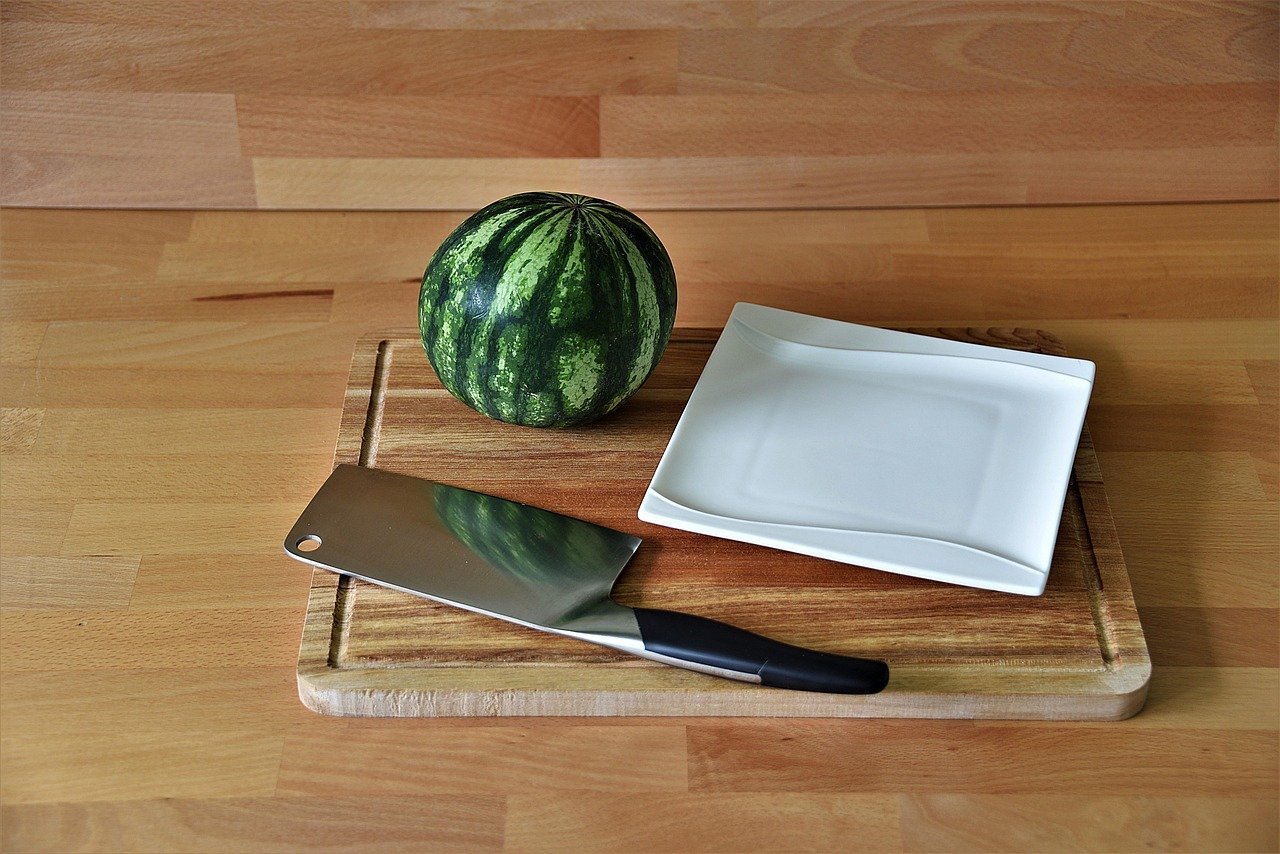
A cleaver is a versatile kitchen tool often recognized by its large, rectangular blade. While it is commonly associated with butchering meat, its uses extend to chopping vegetables, crushing garlic, and even cutting through bones. Knowing how to select the right cleaver can significantly enhance your kitchen experience.
2. Types of Cleavers
Butcher’s Cleaver
The butcher’s cleaver is the most recognizable type, with a hefty blade ideal for processing meat. This cleaver is designed to withstand the pressure of cutting through bone and thick cuts of meat. It usually weighs between 1 to 3 pounds and features a thick spine that provides stability and strength.Chinese Cleaver (Chopper)
The Chinese cleaver, often called a “chopping knife,” is a versatile tool in Asian cuisine. It has a broad blade that is lightweight, making it perfect for slicing vegetables and meat with precision. The blade is often thinner than a butcher’s cleaver, which allows for delicate chopping and mincing.Filet Cleaver
Similar to other cleavers but with a narrower blade, the filet cleaver excels at filleting fish and poultry. It combines the power of a traditional cleaver with the finesse required for delicate tasks.Nakiri Cleaver
Primarily used for vegetables, the Nakiri cleaver has a blade that is straight and rectangular, allowing for a clean and efficient chop. The design is well-suited for an up-and-down cutting motion, making it perfect for dicing, mincing, and julienning.
3. Blade Material
Stainless Steel
Stainless steel is a popular material for cleavers due to its resistance to rust and staining. It typically offers excellent durability and edge retention, making it suitable for heavy-duty use. Look for high-carbon stainless steel for added strength.High-Carbon Steel
High-carbon steel cleavers tend to be easier to sharpen and can achieve a sharper edge compared to stainless steel. However, they require more maintenance to prevent rust, but for serious cooks, this material is highly regarded for its performance.Ceramic
Ceramic cleavers offer a lightweight option praised for their rust-free and stain-resistant properties. However, they are brittle and can chip or break if dropped or used improperly.
4. Blade Thickness and Weight
Thickness
A thick blade offers stability and power for heavy-duty tasks like cutting through bones. However, a thinner blade facilitates precision cutting for delicate vegetables. Consider your primary use to determine the ideal thickness.Weight
The weight of a cleaver can affect the comfort and control during use. Heavier models provide natural force for cutting through tough meat, while lightweight models promote swift chopping and dexterity. Hold different models in hand to assess what feels most comfortable to you.
5. Handle Design
Material
Handles are commonly made from wood, plastic, or metal. Wooden handles provide a classic aesthetic and are generally ergonomically designed, promoting comfort. However, they may require more upkeep. Plastic handles are easy to clean and maintain. Metal handles, while stylish, can become slippery when wet.Grip
Consider how the cleaver feels in your hand. A good grip can enhance your cutting technique and reduce fatigue. Look for grooves or a textured surface for added control.
6. Balance
A good cleaver should feel balanced when held. This balance influences the ease of use and reduces strain on your wrist. Ideally, the weight of the blade should complement the handle’s weight. A well-balanced cleaver allows for smooth and controlled motions.
7. Maintenance and Care
To extend the lifespan of your cleaver, proper maintenance is essential. Here are some care tips:
Washing: Hand wash your cleaver immediately after use with mild soap and water. Avoid soaking or placing it in the dishwasher, as this can damage the blade or handle.
Drying: Always dry the cleaver thoroughly after washing to prevent rusting, especially for high-carbon steel models.
Sharpening: Regularly sharpen your cleaver with a whetstone or honing rod. A sharp cleaver ensures clean cuts and enhances safety.
Storage: Store your cleaver in a knife block, sheath, or magnetic strip to protect the blade and reduce the risk of accidents.
8. Price Range
Cleavers come in various price ranges, influenced by the brand, material, and craftsmanship. Basic cleavers can start from $20, but high-quality, handmade options can exceed $200. Assess your cooking style and budget to find a suitable option.
9. Recommended Brands
Wüsthof: Known for precision and durability, Wüsthof offers a range of cleavers suitable for both home cooks and professionals. Their stainless steel models are particularly praised for their balance and ergonomic handles.
Shun: This Japanese brand is renowned for high-quality, hand-forged cleavers, often incorporating VG-MAX steel for superior sharpness and edge retention.
Victorinox: An excellent choice for budget-conscious chefs, Victorinox provides reliable cleavers that perform well without breaking the bank.
Miyabi: For those looking for a blend of aesthetics and performance, Miyabi cleavers feature stunning designs and high-performance materials.
10. Where to Buy
Explore both online and in-store options for purchasing a cleaver. Consider specialty kitchen stores for hands-on evaluations. Websites such as Amazon, Williams Sonoma, and Sur La Table offer a variety of choices along with consumer reviews to guide your decision.
11. Unique Considerations
Cultural Differences: Be aware that the type of cleaver suitable for your cooking might vary depending on your culinary style. Research and understand how different cultures utilize cleavers in their food preparation.
Left-Handed Options: If you’re left-handed, seek out cleavers designed for left-handed users. These often feature reversed blade angles or handles for comfort and control.
Versatility vs. Specialization: While desiring a multipurpose cleaver is understandable, focusing on a specialized cleaver may yield better results for your specific cooking style and preferences.
12. Conclusion
Choosing the right cleaver involves understanding your cooking needs, the cleaver types available, and the materials and designs that best suit your style. By prioritizing balance, comfort, and maintenance, you can select a tool that not only meets your culinary demands but also enhances your cooking experience. Your cleaver becomes an extension of you, supporting every chop, slice, and cut in your kitchen adventures.