




Understanding Different Types of Knives and Their Uses
Knives are essential tools that come in various shapes, sizes, and purposes. Understanding the different types of knives and their specific uses can enhance your culinary skills, improve safety in the kitchen, and enhance overall cooking efficiency. Below are the primary categories of knives, along with a detailed description of each type and its applications.
1. Chef’s Knife

The chef’s knife is often regarded as the most versatile kitchen tool. Typically ranging from 6 to 12 inches in blade length, it features a broad, tapered design that makes it adept for various tasks.
Uses:
- Chopping: Ideal for dicing vegetables, herbs, and fruits.
- Slicing: Perfect for meats and fish.
- Mincing: Excellent for garlic, ginger, and spices.
2. Paring Knife
A paring knife is small, with a blade length of about 3 to 4 inches. It has a pointed tip, making it perfect for intricate tasks.
Uses:
- Peeling: Easily peels fruits and vegetables.
- Garnishing: Useful for decorative slicing and producing garnishes.
- Corning: Ideal for coring tomatoes and apples.
3. Santoku Knife
Originating from Japan, the Santoku knife features a flat edge with a slight downward slope at the tip. Generally around 5 to 8 inches long, it’s specifically designed for precision.
Uses:
- Chopping: Excels in chopping vegetables, thanks to its lightweight design.
- Slicing: Great for cutting thin slices of fish or meat.
- Dicing: Effective for dicing herbs or vegetables.
4. Bread Knife
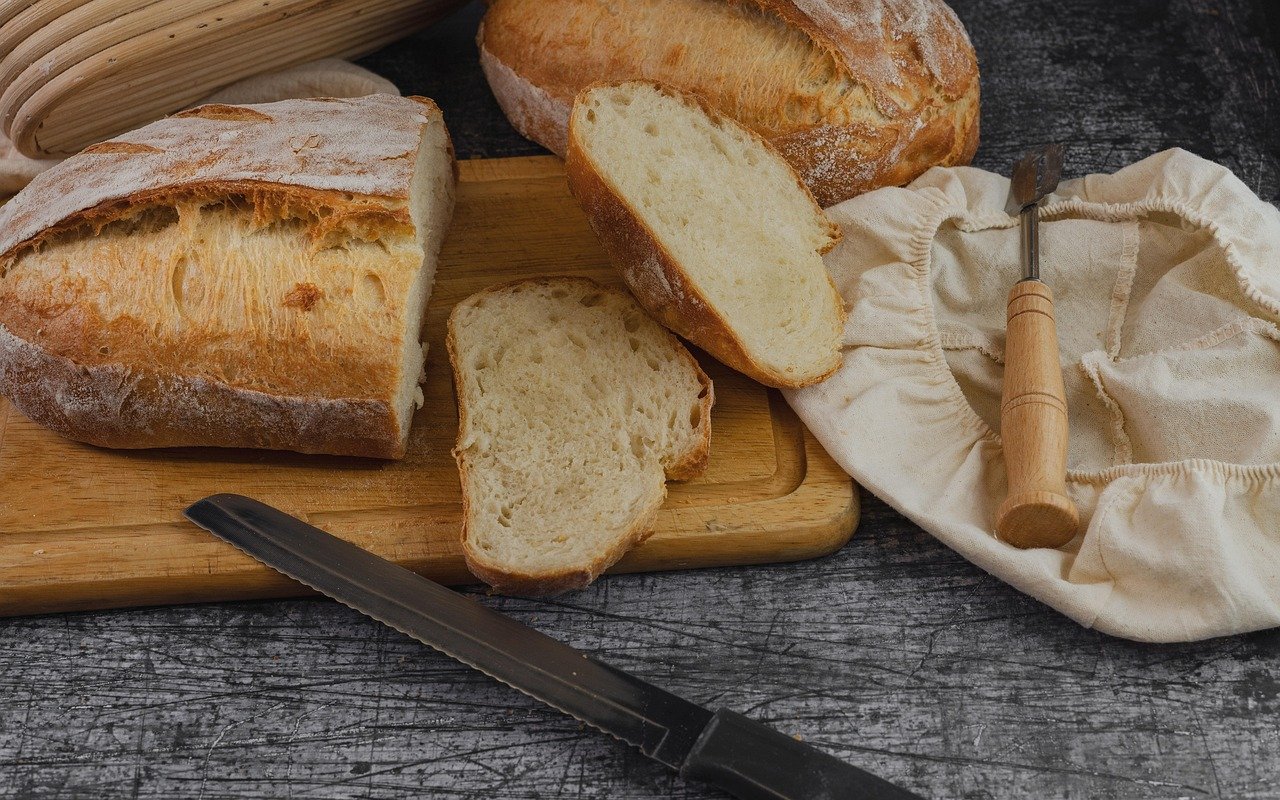
Characterized by its long, serrated edge, a bread knife is designed to slice through crusty bread without crushing it.
Uses:
- Slicing Bread: Cuts through loaves without tearing.
- Cutting Cakes: Ideal for slicing layers of cakes or soft pastries.
- Slicing Tomatoes: Its serrated edge also works well with soft fruits.
5. Utility Knife
Similar in shape to a paring knife but slightly larger, a utility knife typically features a 4 to 7-inch blade.
Uses:
- General Cutting: Suitable for various kitchen tasks like slicing cheese or meats.
- Sandwich Preparation: Ideal for crafting sandwiches and wraps.
- Versatile Tasks: Can be used for both cooking and preparing light meals.
6. Boning Knife
A boning knife has a thin, flexible blade that is around 5 to 7 inches in length, designed for removing bones from meat, poultry, and fish.
Uses:
- Deboning Meat: Quickly removes bones while preserving the meat.
- Filleting Fish: Perfect for filleting fish with precision.
- Trimming Fat: Efficiently trims away unwanted fat from meat.
7. Cleaver
The cleaver is a hefty knife with a large, rectangular blade, perfect for both chopping and slicing. It usually features a thick spine and a heavy weight, allowing for added force.
Uses:
- Butchering: Cuts through meat and bones effortlessly.
- Chopping Herbs: Excellent for chopping herbs in bulk.
- Crushing Ingredients: Can be used to crush garlic or ginger.
8. Fillet Knife
A fillet knife is long and flexible, typically 6 to 12 inches. Its design allows for maneuverability while filleting fish.
Uses:
- Filleting Fish: Designed for intricate cuts against the backbone.
- Skinning: Perfect for skinning fish or meats.
- Slicing Thin Cuts: Effective for ensuring uniform slices.
9. Mandarin Knife
The mandarin knife, sometimes called a mezzaluna, features a curved blade and is primarily used for chopping.
Uses:
- Chopping Herbs: Excellent for finely chopping herbs.
- Dicing Ingredients: Ideal for dicing vegetables.
- Pureeing: Can be used to create purees of soft items.
10. Peeling Knife
A peeling knife is small, often with a curved blade, designed primarily for peeling fruits and vegetables.
Uses:
- Precise Peeling: Excellent for peeling skins without removing excess flesh.
- Decorative Carving: Useful for carving intricate designs on fruits.
- Creating Segments: Ideal for sectioning citrus fruits.
11. Steak Knife
Typically serrated, a steak knife is used primarily for cutting cooked meat at the dining table.
Uses:
- Serving Dinner: Designed for ease of use while dining, cuts through meat.
- Cutting through Sturdy Foods: Ideal for slicing through meats, pizzas, and more.
- User-Friendly Design: Its serrated blade simplifies cutting for individuals.
12. Tomato Knife
A specialized knife designed for slicing tomatoes, the tomato knife typically has a serrated edge with a forked tip.
Uses:
- Slicing Tomatoes: Cuts neatly through the skin while preserving the fleshy inside.
- Cutting Soft Fruits: Effective for soft fruits and vegetables.
- Salad Preparation: Excels in preparing salads containing tomatoes.
13. Chopping Knife
A chopping knife is a broad-bladed knife similar to a chef’s knife but more robust.
Uses:
- Chopping Root Vegetables: The sturdy blade allows for cutting through hard vegetables.
- Slicing Through Tough Cuts: Works well with tougher pieces of meat.
- Heavy Duty Tasks: Good for tasks that require more force and durability without breaking the blade.
14. Sushi Knife
A sushi knife, or “yanagiba,” is characterized by a long, single-beveled blade that is perfect for slicing fish for sushi.
Uses:
- Slicing Fish: Makes precise cuts for sashimi and sushi.
- Presentation: Ensures clean slices for a visually appealing presentation.
- Specialty Use: Designed specifically for handling delicate sushi, ensuring no tearing.
15. Carving Knife
A long, narrow knife specifically designed for slicing cooked meats into thin slices.
Uses:
- Carving Roasts: Perfect for slicing through large cuts of meat like turkey or roast beef.
- Elegant Presentation: Makes it easy to create uniform slices for plating.
- Detailed Slicing: Ideal for intricate cuts needed for special occasions.
Conclusion of the Detailed Overview
Understanding the distinct uses of each type of knife can transform your experience in the kitchen. Each knife contributes uniquely to food preparation, improving efficiency and safety. Whether you are a seasoned chef or a home cook, selecting the right knife for the task at hand is essential for achieving the best culinary results.