


Understanding Knife Sharpness
A razor-sharp knife is an indispensable tool in any kitchen, affecting everything from the quality of the cut to the overall cooking experience. Sharp knives make tasks feel effortless, whereas dull knives require more force and can lead to accidents. Therefore, understanding when and how often to sharpen your knives is crucial for home cooks and professional chefs alike.
Why Is Knife Sharpening Important?
When a knife blade dulls, it loses its ability to cut cleanly and efficiently. Regular sharpening maintains the edge, allowing the knife to perform optimally. Dull knives can lead to uneven cuts, longer preparation times, and a higher risk of injuries. Regular maintenance not only prolongs the life of the knife but also enhances safety and precision in the kitchen.
Indicators That Your Knife Needs Sharpening
To determine the sharpening frequency more effectively, it’s essential to recognize the signs that indicate your knife has become dull:
Visual Inspection: Look for damage or signs of wear on the edge. A straight edge should appear smooth.
Cutting Performance: If you find yourself using excessive force to slice through fruits, vegetables, or proteins, it’s time to sharpen.
Finger Test: Carefully run your finger along the blade—do not press hard. If you don’t feel a slight snag, the knife might be dull.
Paper Test: Try slicing through a piece of paper. A sharp knife should cut cleanly through without tearing.
Cook’s Feel: As an experienced cook, you’ll develop a “feel” for when your knife needs sharpening. Trust your instincts!
Factors Influencing Sharpening Frequency
Several factors contribute to how often a knife should be sharpened:
1. Type of Knife
Different knives have different finishes and purposes. A chef’s knife may need sharpening every few weeks with regular use, while specialized knives, like serrated or sushi knives, may require less frequent attention due to their unique design.
2. Usage Intensity
How you use your knives plays a significant role in sharpening frequency:
Home Cooks: For those who cook occasionally, sharpening every month or two may suffice.
Professional Chefs: In a fast-paced kitchen, knives might need sharpening every few days to ensure optimal performance.
3. Material of the Blade
Knife blades can be made of various materials, including stainless steel, high-carbon steel, and ceramic. The frequency of sharpening will differ based on the material’s hardness and edge retention capabilities. For instance:
Stainless Steel: Generally holds an edge well, requiring less frequent honing.
High-Carbon Steel: Offers superior sharpness and edge retention but may chip or dull more easily.
Ceramic: Extremely hard and retains sharpness well, yet needs special equipment to sharpen.
4. Cutting Surfaces
Using the right cutting board can extend the life of your knife’s edge. Softwood or plastic boards are better options compared to glass, ceramic, or stone boards, which can dull blades faster.
Routine Maintenance Between Sharpening
To minimize the need for frequent sharpening, implement these maintenance tips:
1. Honing
Honings should be part of your knife care routine. A honing steel realigns the edge of the blade, restoring sharpness temporarily without the need for a full sharpening. Ideally, hone your knives every time you use them.
2. Proper Storage
Storing knives improperly can lead to dull edges. Use a magnetic strip, in-drawer storage with knife guards, or a designated knife block to keep the blades safe from damage.
3. Cleaning Techniques
Avoid abrasive sponges and dishwashers to clean your knives as these can chip or dull the blades. Hand wash with warm water and mild detergent, then dry immediately to prevent rust.
How to Sharpen Your Knife
Understanding the sharpening techniques available is crucial for maintaining your knives:
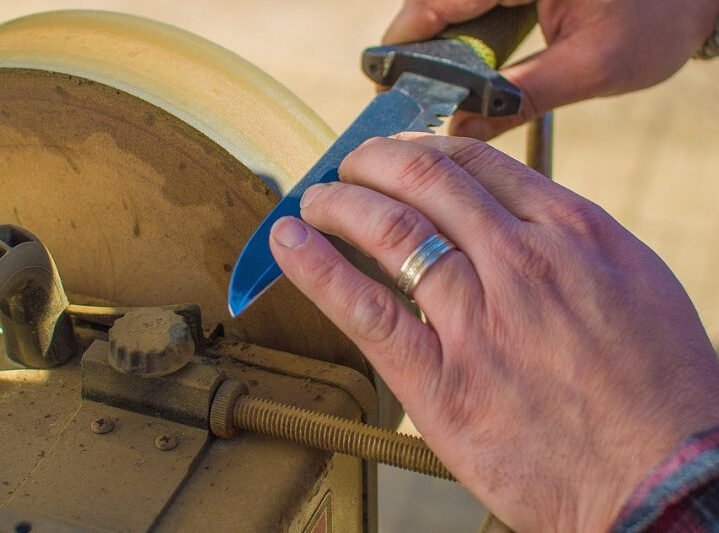
1. Manual Sharpening
Using whetstones is a traditional method for sharpening knives:
Choose the Right Grit: A coarse grit (around 200-400) is suitable for reshaping, while medium grit (800-1000) is for honing. Fine grit (3000 or higher) polishes the edge.
Technique: Maintain a consistent angle (15-20 degrees) as you slide the blade across the stone. Repeat on both sides until the blade is sharp.
2. Electric Sharpeners
These provide quick and consistent sharpening but can remove more material from the blade than necessary. Use judiciously to prolong the knife’s life.
3. Professional Services
If you’re uncomfortable sharpening your knives or have expensive ones, consider sending them to a professional for sharpening. They have the equipment and expertise to do it safely and effectively.
Recommended Sharpening Frequency Table
| Knife Type | Frequency | Usage Environment |
|---|---|---|
| Chef’s Knife | Every 1-2 weeks | Frequent use |
| Paring Knife | Once a month | Occasional use |
| Slicing Knife | Every 2 weeks | Regular use |
| Serrated Knife | Every 6 months | Infrequent use |
| Boning Knife | Every 1-3 weeks | Regular meat prep |
Additional Tools for Knife Care
- Rod or Honing Steel: Essential for maintaining edge alignment.
- Sharpening Stone: Versatile for custom sharpening needs.
- Electric Sharpener: Quick sharpening solution for busy environments.
- Leather Strop: Best for polishing knife edges after sharpening.