



Understanding Your Chef’s Knife
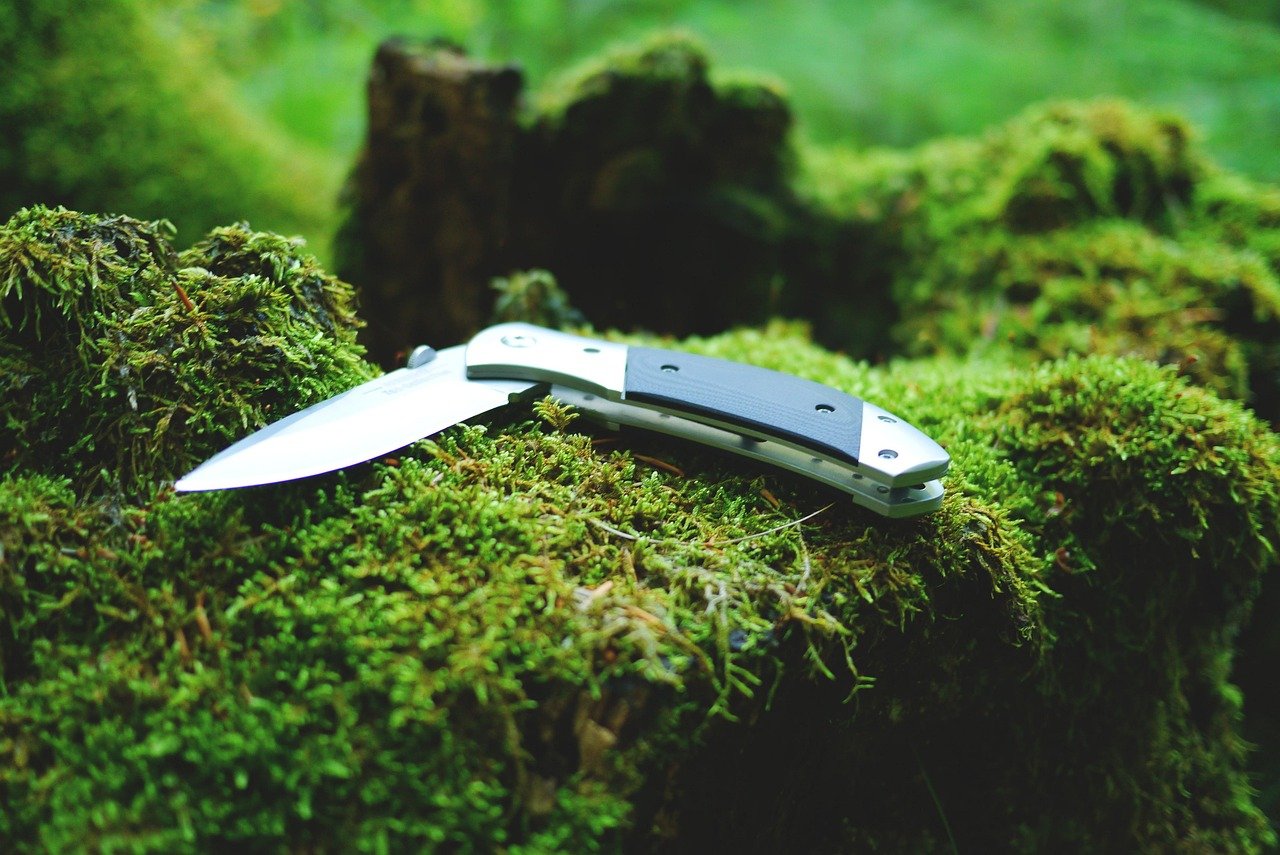
A chef’s knife, with its broad blade and tapered tip, is one of the most versatile tools in the kitchen. It typically ranges from 6 to 12 inches in length and is used for slicing, dicing, chopping, and mincing a variety of ingredients. Today, we’ll delve into essential techniques, maintenance, and several recipes to utilize your chef’s knife effectively.

Basic Grip Techniques

The Pinch Grip
- How to Hold: Pinch the blade just above the handle with your thumb and forefinger while resting your other fingers around the handle.
- Why Use It: This grip allows maximum control and helps in balancing the knife, especially during complex cuts.
The Handle Grip
- How to Hold: Hold the handle firmly with all four fingers wrapped around it, thumb resting on the side.
- When to Use: This grip is easier for beginners and works well for simple slicing tasks.
Essential Knife Skills
Chopping Onions
- Prep Work: Cut the onion in half, then peel off the skin.
- Position: Place the cut side down on the board for stability.
- Chop: Make vertical cuts up to the root but not through it, then make horizontal cuts. Finish with slices to create evenly diced pieces.
Dicing Vegetables
- Julienne First: For carrots, zucchini, or bell peppers, cut them into thin strips first.
- Cross-Cut: Take the julienned strips and cut across them to achieve uniform dice.
- Use of Claw Grip: Keep your fingertips tucked in as a guide and avoid cutting yourself.
Mincing Garlic
- Smash and Peel: Place the flat side of the blade on a garlic clove and press down to crack it open. Peel off the skin.
- Chop: Start by finely slicing the clove before refining with rocking motions to mince it finely.
Maintenance of Your Chef’s Knife
Sharpening
- Frequency: Aim to sharpen your knife every 3-6 months, depending on use.
- Tools: Use a whetstone for a professional edge or a honing rod for quick maintenance.
Cleaning
- After Use: Clean with warm, soapy water; avoid dishwashers as heat can damage the handle and edge.
- Dry Properly: Wipe down the blade with a dry cloth to prevent rust.
Recipes to Use Your Chef’s Knife
Classic Ratatouille
- Ingredients: Eggplant, zucchini, bell peppers, tomatoes, onion, garlic, thyme, olive oil, salt, and pepper.
- Chop: Dice all vegetables uniformly using your chef’s knife.
- Sauté: In a skillet, add olive oil, sauté onion and garlic until translucent, then add vegetables and seasoning. Cook until tender.
Chicken Stir-Fry
- Prep Ingredients: Slice chicken breasts into thin strips and chop bell peppers, broccoli, and carrots.
- Cooking: Heat sesame oil in a pan, add chicken and cook until browned. Then add vegetables and stir-fry for about 5 minutes until crisp-tender.
- Sauce: Mix soy sauce, garlic, ginger, and serve over rice.
Vegetable Soup
- Chop: Use your knife to dice carrots, celery, onions, garlic, and tomatoes.
- Cook: Sauté in a large pot, add broth, and seasonings. Simmer for 30 minutes for flavor development.
- Serve: Blend for a creamy texture or leave chunky based on preference.
Chicken and Vegetable Fajitas
- Slicing: Cut chicken into strips and slice bell peppers and onions.
- Sauté: Cook chicken until golden, remove and then cook vegetables until tender-crisp.
- Combine: Mix chicken back in with spices (cumin, paprika) and serve with tortillas.
Mastering Advanced Techniques
Rocking Motion
Employ the rocking motion technique when slicing herbs, allowing the blade tip to stay on the cutting board while the heel rises and falls. This technique enhances efficiency, especially with chunky ingredients.
Slicing Meat
For proteins like beef or chicken:
- Chill the Meat: Slightly chill for firmer slices.
- Against the Grain: Cut across the fibers of the meat for tender slices.
Filleting Fish
- Select the Right Knife: Though a chef’s knife can be used, a fillet knife offers more precision.
- Technique: Place the fish skin-side down, insert the knife at the head, and slide down toward the tail, following the spine.
Safety Measures While Using a Chef’s Knife
- Cutting Board: Always use a non-slip cutting board to prevent slipping.
- Focus: Avoid distractions while cutting to maintain focus.
- Knife Skills Practice: Engage in consistent practice to enhance both speed and safety in your cutting techniques.
Conclusion of Skills
Remember to take the time to develop your knife skills. A chef’s knife is not just a tool but an extension of your culinary abilities. Engaging with your knife through practice will not only boost your confidence but also improve your culinary outcomes.