




Types of Knife Edges: What You Need to Know

1. Straight Edge
The straight edge is perhaps the most fundamental type of knife edge. It features a continuous linear blade from the tip to the heel. Ideal for slicing, dicing, and chopping tasks, a straight edge is a staple in both home and professional kitchens. The sharpness of a straight edge can be easily maintained with just a few strokes on a honing rod.

Advantages:
- Versatile for a variety of cutting tasks.
- Easier to sharpen compared to other types of edges.
Best Uses:
- Slicing vegetables.
- Chopping herbs.
2. Serrated Edge
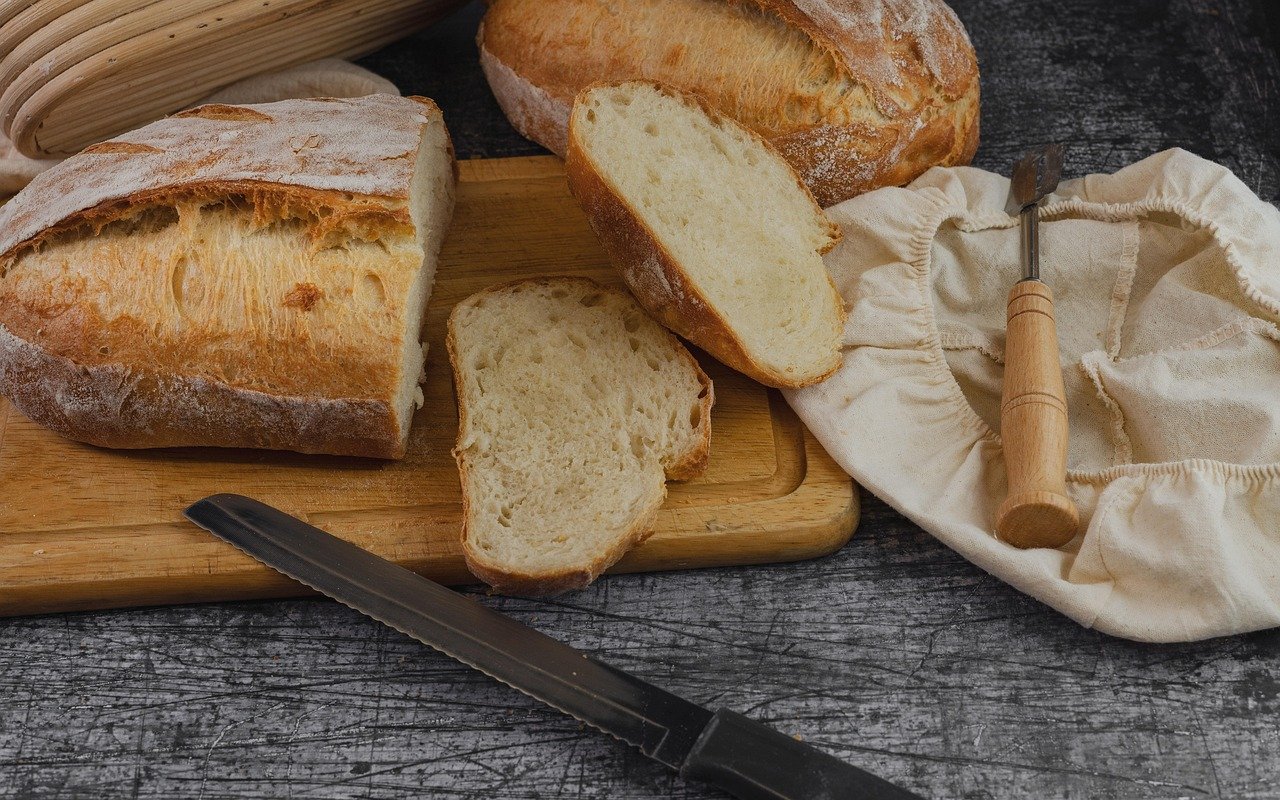
Serrated edges are characterized by their saw-like teeth that grip and cut through foods, making them particularly effective on items with tough exteriors and soft interiors. Commonly found on bread knives, serrated edges excel at slicing through crusty bread without crushing the soft interior.
Advantages:
- Ideal for cutting through tough skins and soft interiors.
- Requires less frequent sharpening due to its design.
Best Uses:
- Slicing bread and pastries.
- Cutting through tomatoes and citrus fruits.
3. Hollow Ground Edge
A hollow ground edge is created by grinding the blade in a way that it forms an inward curve on both sides, resulting in a thin, sharp edge. This type of edge is favored for its precision and ability to cut cleanly through delicate materials.
Advantages:
- Extremely sharp due to a thin edge.
- Offers excellent control for detail work.
Best Uses:
- Filleting fish.
- Precision cutting tasks, such as in butchery.
4. Flat Ground Edge
The flat ground edge features a blade that tapers from the spine to the edge in a straight line. This design provides a robust cutting edge that maintains strength while allowing for a sharp finish. Flat ground edges are versatile and perform well across many cutting tasks.
Advantages:
- Strong and durable.
- Retains sharpness well for various tasks.
Best Uses:
- General-purpose cutting.
- Suitable for larger cooking tasks.
5. Convex Edge
The convex edge is rounded along its length and is known for being very durable and sharp. It requires skilled crafting but offers a robust cutting edge that is less likely to chip or break. This type of edge is beloved by outdoor enthusiasts and craftsmen, particularly for heavy-duty tasks.
Advantages:
- Extremely resistant to wear and breakage.
- Offers a comfortable grip and maneuverability.
Best Uses:
- Hunting and outdoor knives.
- Heavy-duty cutting tasks.
6. Micro-Serrated Edge
Micro-serrated edges are a hybrid of straight and serrated edges, featuring very small serrations. They provide enhanced cutting performance while maintaining some of the benefits of a straight edge. This edge type is commonly found on high-end chef’s knives.
Advantages:
- Enhanced slicing efficiency without impacting the ease of sharpening.
- Versatile for various types of cutting needs.
Best Uses:
- General kitchen tasks.
- Cutting through fibrous meats.
7. Chisel Edge
Chisel edges are ground to shape a single-angle edge, usually found on specialty knives such as those used for specific woodworking or certain culinary tasks. This type of edge provides maximum sharpness for precise cuts.
Advantages:
- Provides exceptional sharpness at a single angle.
- Excellent for specific applications requiring precise control.
Best Uses:
- Woodworking.
- Filleting delicate meats.
8. Bevel Edge
The bevel edge features a slanted surface that tapers down to the cutting edge. Depending on the knife’s design, this can be single or double beveled. While double bevels are common in most kitchen knives, single bevels are often favored in traditional Japanese knives for precision cutting.
Advantages:
- Offers clarity in cutting for precise control.
- Commonly preferred in culinary and craft knives.
Best Uses:
- Sushi knives.
- Specialty cuisine preparation.
Choosing the Right Knife Edge for Your Needs
When selecting a knife, consider what tasks you’ll be performing and how frequently you’ll be sharpening it. Understanding the nuances of each edge type allows you to choose the right blade for specific culinary tasks, whether it’s delicate slicing, heavy-duty chopping, or intricate detailing.
Additionally, consider your skill level with knife maintenance. Some edges require more skill to sharpen and maintain than others. Investing in a good sharpening system is essential if you opt for a knife with a more specialized edge type.
Maintaining Knife Edges
Proper maintenance of a knife edge is critical to ensuring its longevity and performance. Different edges require distinct approaches to maintenance:
- Straight and flat edges usually require periodic sharpening with a whetstone or chef’s steel.
- Serrated edges may need a specialized serrated sharpening tool; they don’t require sharpening as frequently.
- Convex and hollow-ground edges may require more skill in sharpening, as the curvature must be maintained for optimal performance.
Conclusion
Understanding the various types of knife edges can significantly enhance your culinary experience. Each blade design serves unique functions, ensuring you have the right tool at your disposal for all cooking challenges. Prioritize the types of cuts you most frequently make and choose a knife with the appropriate edge type to elevate your culinary skills and efficiency. Proper care and maintenance of your chosen knife are just as crucial as understanding its edge type, ensuring it remains a reliable tool in your kitchen arsenal.