


Understanding the Lockback Knife: A Comprehensive Guide
What is a Lockback Knife?
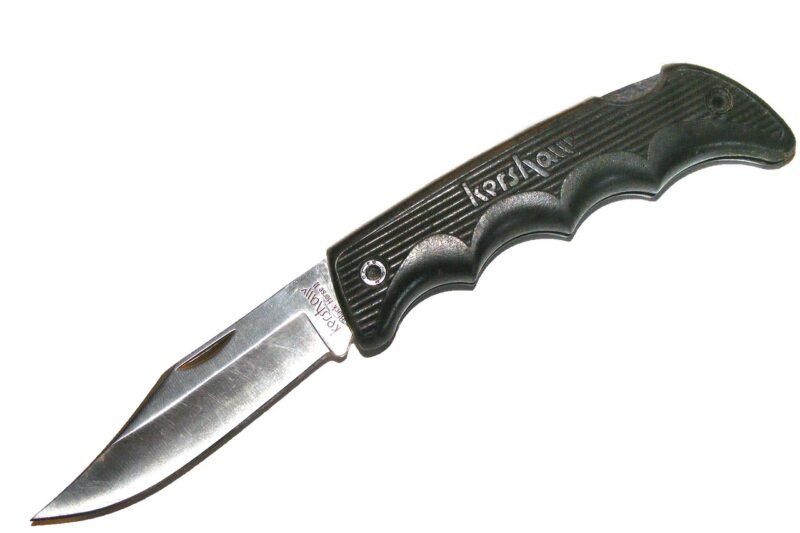
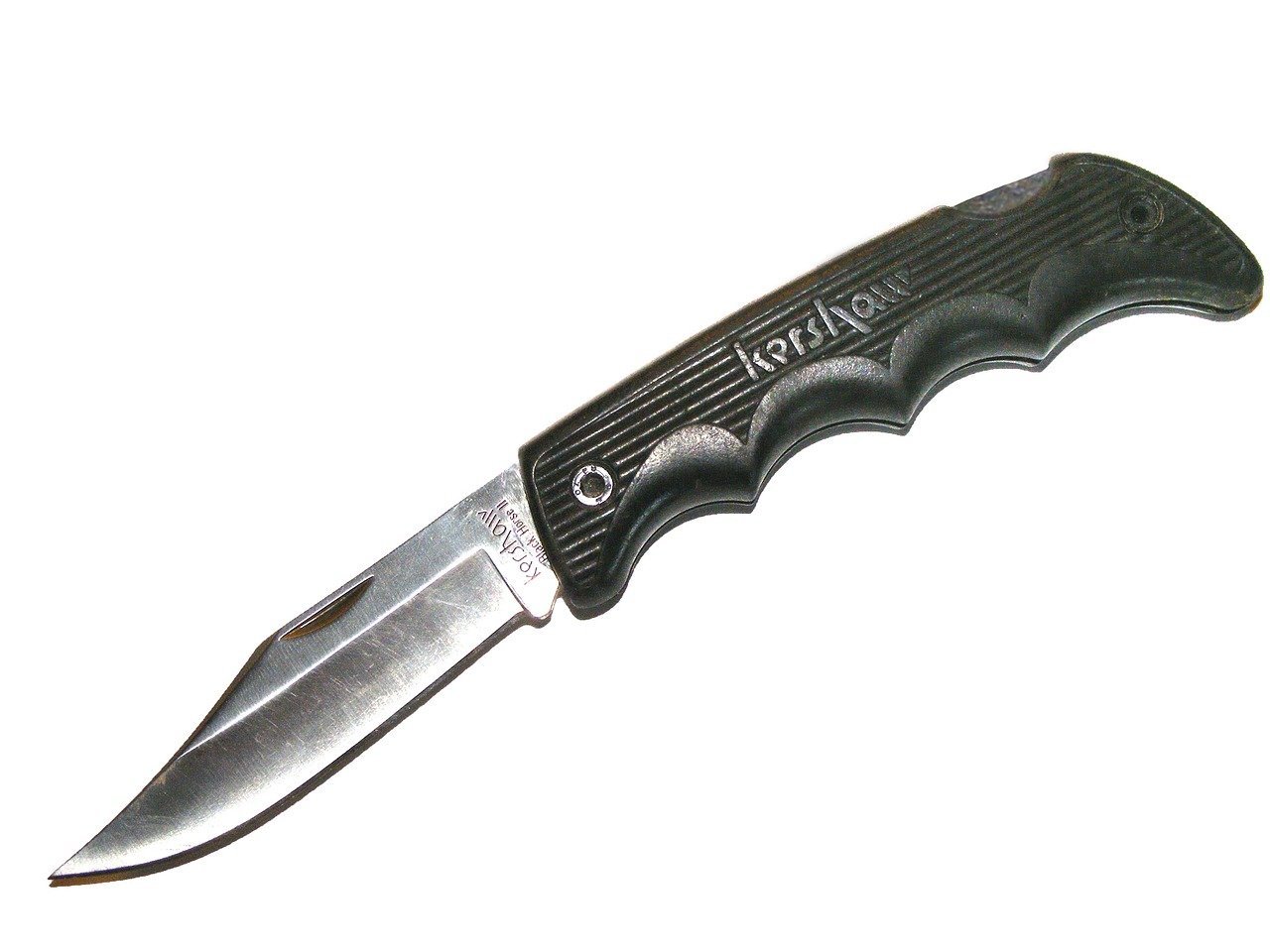
A lockback knife is a folding knife characterized by a locking mechanism that secures the blade in an open position. This design enhances safety and stability, making it suitable for various everyday use cases, from outdoor activities to general utility tasks. The term “lockback” derives from the knife’s locking mechanism, which consists of a lever that “locks” the blade when fully opened, thus preventing it from accidentally closing during use.
Features of Lockback Knives
1. Locking Mechanism
The hallmark feature of lockback knives is their locking mechanism. When the blade is opened, a small notch on the blade engages with a spring-loaded lever located at the back of the handle. To close the knife, users simply press the lever down, releasing the blade. This design not only secures the blade when in use but also allows for easy one-handed operation.
2. Blade Types
Lockback knives come equipped with a variety of blade shapes. Common types include:
- Drop Point Blade: Ideal for general-purpose tasks, offering a strong point and a curved edge for slicing.
- Clip Point Blade: Known for its sharp point, suitable for precision cutting tasks.
- Spear Point Blade: Features a symmetrical shape, making it effective for piercing.
Selecting the right blade type depends on the intended use, from outdoor activities to everyday carry (EDC).
3. Handle Materials
Lockback knives are constructed from several materials, including:
- Stainless Steel: Highly durable and resistant to corrosion, making it ideal for outdoor use.
- Carbon Steel: Known for its superior edge retention but requires more maintenance to prevent rust.
- Synthetic Materials: Often used in budget-friendly models, providing lightweight and weather-resistant options.
4. Size and Weight
Lockback knives typically vary in size, accommodating both compact pocket versions and larger tactical models. When considering what to purchase, it’s essential to balance size and weight with utility.
Advantages of Lockback Knives
1. Safety
Lockback knives are inherently safer than traditional folding knives due to their secure locking mechanism, reducing the risk of accidental closures during use.
2. Versatility
These knives boast high versatility, making them suitable for multiple applications such as camping, fishing, and everyday tasks. Their ability to fit comfortably in the pocket ensures they are easily accessible whenever needed.
3. Durability
Lockback knives are designed for longevity. While maintenance will vary based on the materials used, well-crafted models can endure years of functional use without compromising performance.
4. Easy Maintenance
Most lockback knives are easy to disassemble for cleaning and maintenance. This ease of upkeep ensures optimal performance over time.
Disadvantages of Lockback Knives
1. Complexity of Mechanism
The locking mechanism, while enhancing safety, can introduce a layer of complexity. Users unfamiliar with the operation may find it less intuitive compared to simpler knife designs.
2. Price Variation
Lockback knives can range in price significantly. High-end models may be cost-prohibitive for casual users.
3. Bulkier Design
Given their locking mechanism, some lockback models may be bulkier than simpler folding knives. This might deter users looking for a lightweight option for pocket carry.
Popular Lockback Knife Brands
When selecting a lockback knife, the brand often reflects quality and design. Some prominent manufacturers include:
1. Buck Knives
A reputable brand, Buck Knives is known for its durable products, including the iconic Buck 110 Folding Hunter, a classic lockback knife favored by outdoor enthusiasts.
2. Spyderco
Spyderco offers innovative designs and high-quality materials. Models like the Delica 4 utilize lockback mechanisms for stability and security.
3. Opinel
Famed for their simple and classic designs, Opinel knives incorporate a lockback system in some of their models, combining traditional craftsmanship with modern safety features.
4. SOG
SOG focuses on tactical and outdoor knives. They produce high-performance lockback knives that can withstand rigorous conditions.
How to Choose the Right Lockback Knife
1. Purpose
Define the primary use—be it general utility, outdoor activities, or self-defense. The intended purpose significantly influences blade shape and size.
2. Blade Material
Consider your priorities regarding maintenance and durability. Stainless steel is great for minimal upkeep, while carbon steel may offer sharper edges.
3. Handle Comfort
Choose a handle that fits well in your hand. Ergonomics play a crucial role in your experience, especially if you plan to use the knife for extended periods.
4. Price Point
Establish your budget while evaluating quality. It’s often worthwhile to invest in better materials that will last longer.
Maintenance Tips
1. Regular Cleaning
Keep your knife clean by regularly wiping down the blade and handle. Remove any debris or buildup that may interfere with the locking mechanism.
2. Lubrication
Every few months, apply a light lubricant to the locking mechanism and hinge area to ensure smooth operation. Avoid heavy oils that may attract dirt.
3. Sharpening
Keeping the blade sharp is essential for performance. Use a whetstone or a dedicated knife sharpener to maintain an edge that’s effective and safe to use.
4. Proper Storage
Store your knife in a dry place to prevent rust and deterioration. Many users prefer to use a sheath or a designated knife pouch for added protection.
Common Misconceptions About Lockback Knives
1. They Are Only for Experienced Users
While the lockback mechanism may seem intimidating, most users can quickly adapt to its operation. Many beginner-friendly models are designed with ease of use in mind.
2. They Are Too Heavy for Everyday Carry
While some lockback knives are bulky, many compact designs exist specifically for EDC. With advancements in materials, lightweight options are plentiful.
3. They Are Not Suitable for Heavy-Duty Use
Contrary to this belief, many lockback knives are specifically designed to endure heavy tasks. Choosing a model made with robust materials can yield an excellent heavy-duty option.
Conclusion
Lockback knives offer a blend of safety, durability, and versatility. Understanding their features, benefits, and maintenance is crucial for selecting the right one. With this comprehensive guide, you are better equipped to make an informed decision about incorporating a lockback knife into your toolkit, whether for outdoor expeditions or everyday tasks.