


Understanding Knife Safety: Key Tips to Prevent Common Injuries

1. Choose the Right Knife for the Task
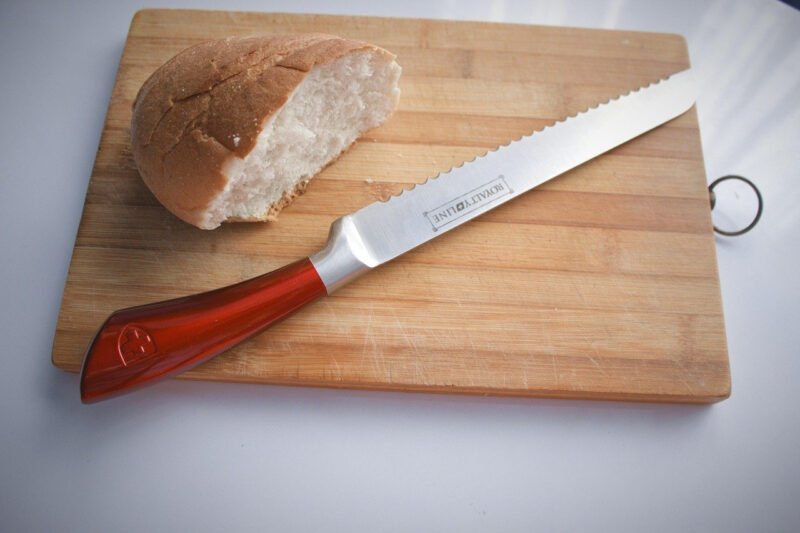
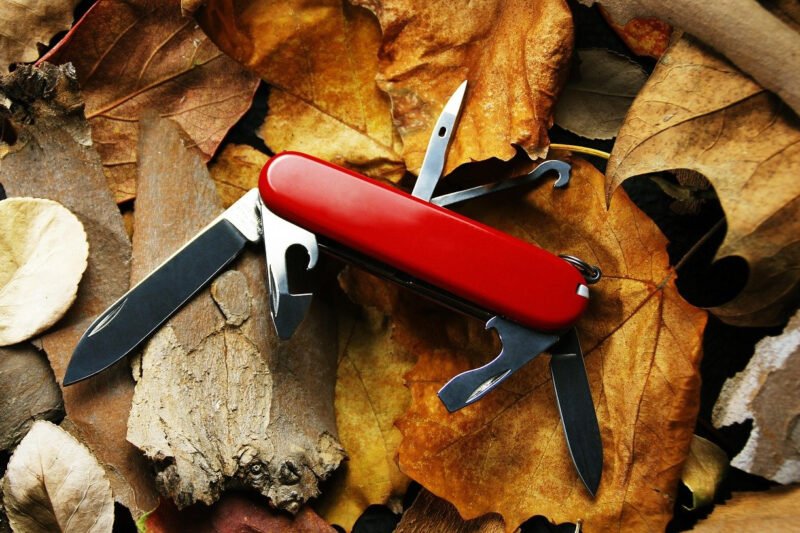
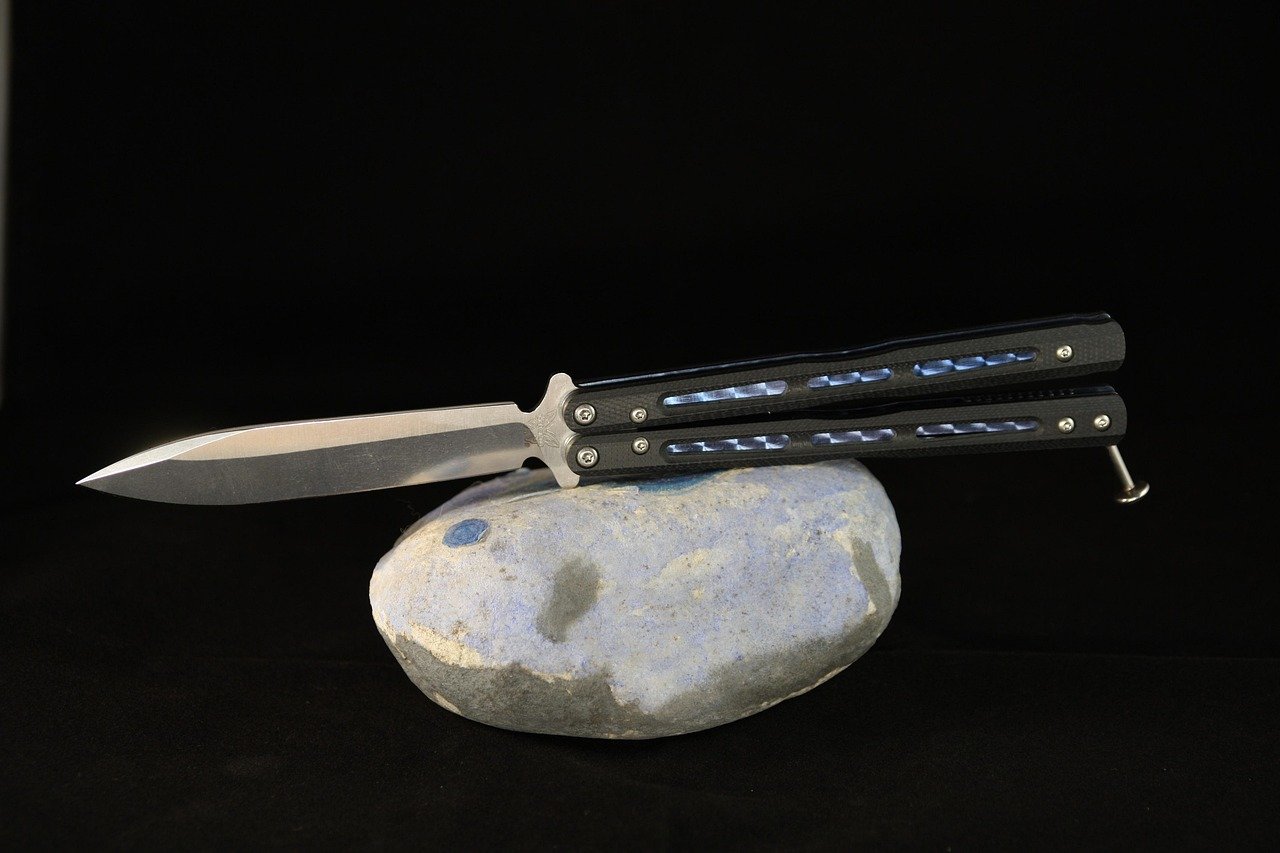
Selecting an appropriate knife for your specific task is crucial to prevent accidents. For example, use a chef’s knife for chopping vegetables and a paring knife for peeling fruits. A well-suited knife reduces the effort required, leading to better control and less risk of slipping.
2. Maintain Sharp Knives
It may seem counterintuitive, but dull knives are more dangerous than sharp ones. A dull blade requires more force to cut through food, increasing the chance of slipping. Regularly sharpen your knives with a whetstone, honing rod, or a professional sharpening service.

3. Proper Grip and Control
How you hold your knife deeply influences safety. Use a proper grip: place your thumb and forefinger on either side of the blade, and wrap your other fingers around the handle. Keep your fingers curled under when holding food. This claw grip minimizes the risk of cutting yourself.
4. Keep Your Work Area Clean and Organized
A cluttered countertop can be a recipe for disaster. Make sure your workspace is free from distractions and obstructions. Keep essential items like paper towels and a trash bin nearby for easy access, minimizing the need to take your eyes off the cutting surface.
5. Use a Cutting Board
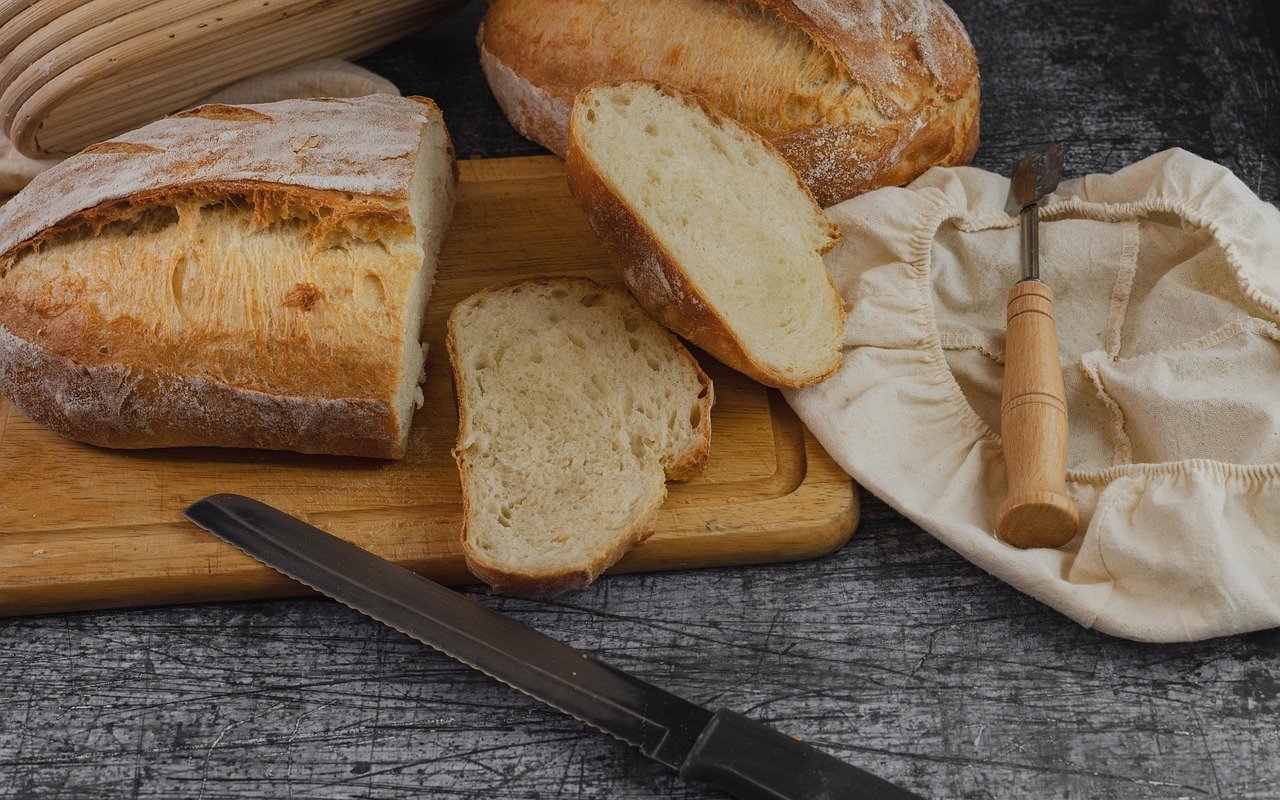
Always cut on a stable cutting board. A non-slip board is ideal; if you don’t have one, place a damp cloth or paper towel underneath to prevent sliding. Never cut directly on countertops or plates, as this can damage the surface and increase the chance of the knife slipping.
6. Cut Away from Your Body
This golden rule can greatly reduce the chances of injury. Always direct the knife away from yourself, ensuring that you’re cutting either horizontally or downwards. If cutting items like herbs or delicate produce, always be mindful of your hand’s position.
7. Focus on the Task at Hand
Distractions are a common cause of knife-related injuries. Whether it’s a conversation, your phone, or television, maintain focus while using a knife. Aim for an undistracted environment. If you find yourself losing concentration, take a break before continuing.
8. Use the Right Cutting Technique
Familiarize yourself with basic cutting techniques such as rocking, chopping, and slicing. Using the proper technique not only makes your tasks easier but reduces the chances of accidents. For example, when chopping onions, start at the root end to keep the onion intact.
9. Transport Knives Safely
If you have to move your knife from one place to another, always hold the knife by the handle, blade facing down, with the point directed toward the ground. Ensure your path is clear, and maintain visual awareness as you walk to avoid tripping or bumping into objects.
10. Store Knives Properly
Storing knives safely protects both the blade and users. Invest in a knife block, magnetic strip, or drawer insert to keep knives securely in place. Never leave knives loose in a drawer, as this can lead to accidental cuts when reaching for them.
11. Keep Children and Pets Away
Ensure that children and pets are at a safe distance when you are using knives. Educating children about knife safety can help instill respect for sharp implements and promote safe kitchen practices. Designate a no-child zone in the kitchen while you’re at work.
12. Wear Appropriate Protective Gear
Consider wearing cut-resistant gloves while working with especially sharp knives. These gloves can provide an added layer of protection, particularly if you are a novice or are engaged in tasks requiring high precision.
13. Use a Knife with a Safe Design
Select knives with safety features such as a non-slip grip or an ergonomic design. These knives often reduce the risk of accidents by enhancing your grip and reducing fatigue during prolonged use.
14. Be Mindful of Age and Experience
Adjust your knife practices depending on skill level. If you are a beginner, choose simpler tasks with less risk and gradually progress to more complex techniques. More experienced users should still continuously refine their skills and remain aware of safety protocols.
15. Avoid Multitasking
When using a knife, avoid multitasking. Focus solely on the task at hand and refrain from trying to do other chores simultaneously. This prevents mistakes that could lead to cuts or injuries.
16. Know Knife Anatomy
Understanding the components of a knife, such as the blade, spine, edge, tip, and handle, will help you use it more effectively and safely. Awareness of how each part functions will enhance your cutting techniques and overall safety.
17. Understand Knife Maintenance
Regular maintenance beyond sharpening is essential for safety. Clean knives thoroughly after each use and never leave them soaking in water, as this can lead to rust and damage. Dry them completely to maintain their integrity and performance.
18. Respect the Knife’s Power
Recognize that a knife is a tool that demands respect. Treat it with care and acknowledge its potential for injury. Avoid using it for tasks it isn’t designed for, such as opening cans or prying open objects.
19. Learn First Aid
Despite all precautions, accidents can happen. Familiarize yourself with basic first aid for lacerations, including how to clean and bandage cuts. This knowledge will help you respond calmly and effectively in case of an accident.
20. Conduct Regular Safety Drills
If you work in a kitchen environment, conduct regular safety drills to reinforce knife safety practices. Training should cover proper handling, usage, and emergency procedures to promote a safe working atmosphere.
By implementing these detailed knife safety tips, individuals can significantly reduce the risk of common injuries. Emphasizing awareness, proper techniques, and regular maintenance not only promotes a safer environment but also enhances cooking efficiency and enjoyment.