



Understanding Knife Sharpening: Manual vs. Electric Knife Sharpeners
What is a Knife Sharpener?
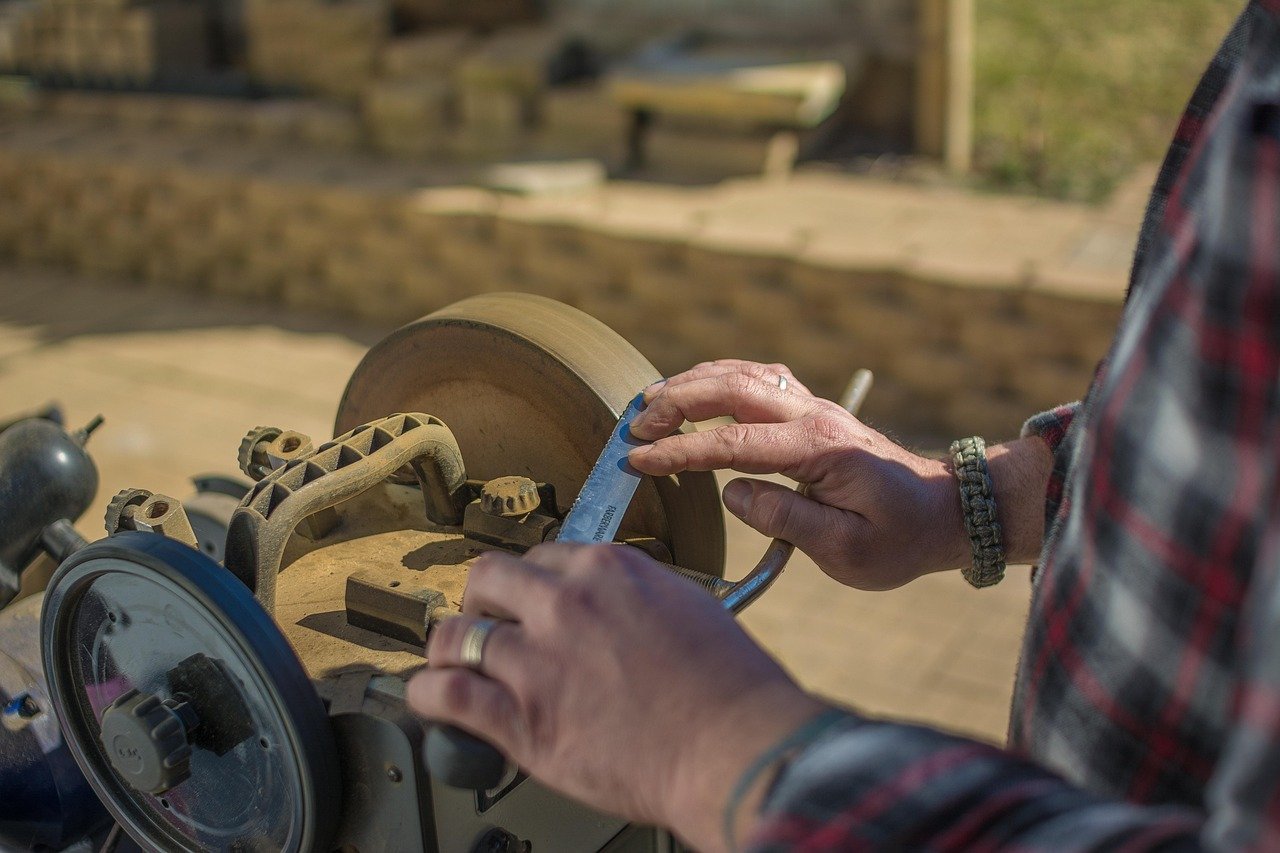
A knife sharpener is a tool designed to hone the edge of a blade to restore its sharpness. The choice between manual and electric knife sharpeners can significantly influence the performance and longevity of your kitchen knives.
Types of Manual Knife Sharpeners
Whetstones: Traditional sharpening stones, used by professionals and cooking enthusiasts alike, allow for precise control over the sharpening angle and pressure. They are ideal for those who seek to master the art of knife sharpening.
Sharpening Rods: Often made of steel, ceramic, or diamond, these are used to realign the edge of the knife rather than remove metal. They are best suited for maintaining already sharp blades.
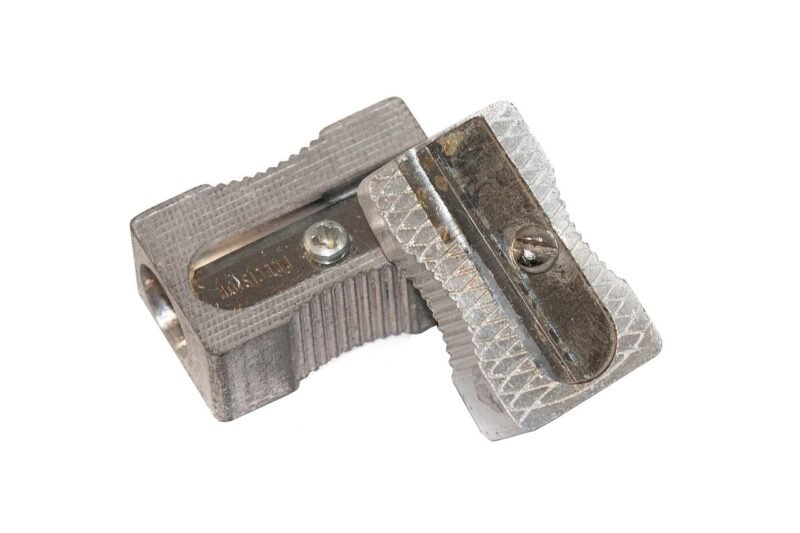
Handheld Manual Sharpeners: Portable devices with preset angles to help users achieve a proper edge quickly. These are user-friendly and can be used by anyone without prior experience.
Advantages of Manual Knife Sharpeners
Precision and Control: Manual sharpeners provide the user with greater control over the sharpening process. Enthusiasts can adjust the angle and pressure to achieve customizable sharpening results.
Gentle on Blades: When used correctly, manual sharpeners can be less aggressive, preserving the integrity of high-quality steel and specialty knife edges.
Skill Development: Using a manual sharpener helps individuals develop sharpening skills and techniques, fostering a deeper appreciation for the craft of cooking.
Cost-Effective: Manual sharpeners typically have a lower initial investment when compared to electric options and do not require power supply. They are also often more durable and require minimal maintenance.
Portability: Due to their compact size, manual sharpeners are more portable, making them suitable for camping, traveling, or outdoor cooking.
Versatility: Many manual sharpeners can accommodate a variety of blade types—paring knives, chef’s knives, fillet knives, and even serrated blades with the right technique.
Types of Electric Knife Sharpeners
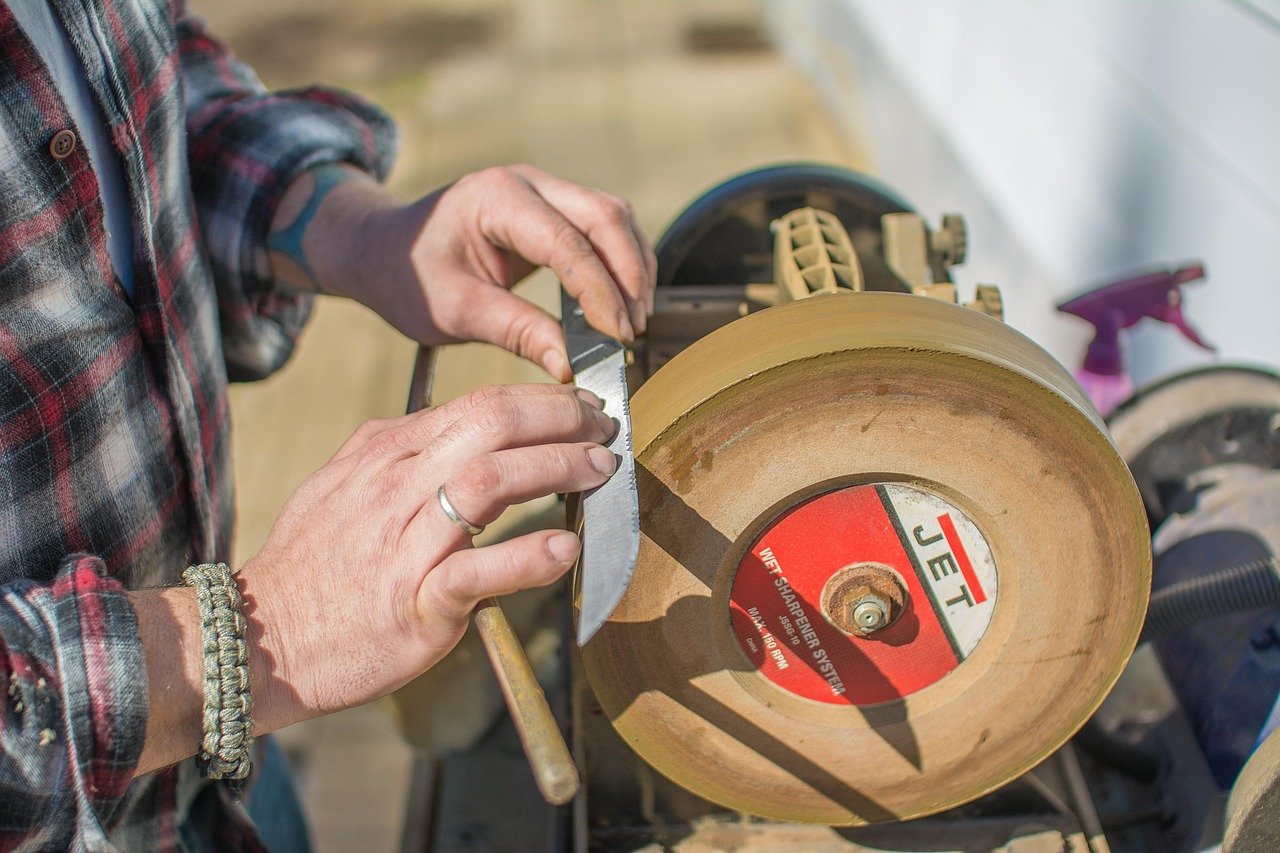
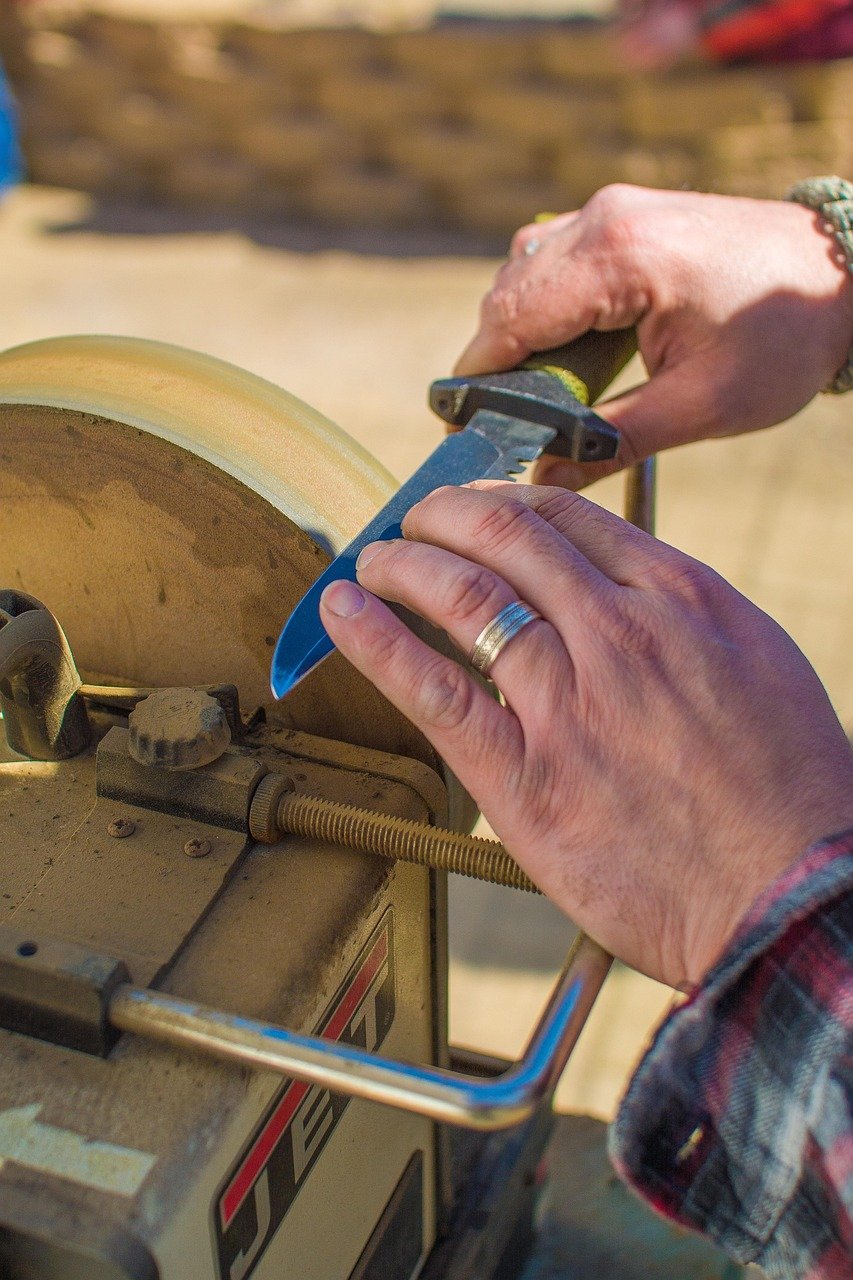
Electric sharpeners utilize motorized grinding wheels or belts to sharpen knives automatically. They offer a quick sharpening solution suitable for busy individuals.
Advantages of Electric Knife Sharpeners
Speed and Convenience: Electric sharpeners offer a rapid alternative for those needing an efficient way to restore blunt knives. This is ideal for busy kitchens where time-saving is crucial.
Consistent Results: Most electric sharpeners have preset angles that ensure the same sharpening angle for every knife. This consistency minimizes the risk of improper sharpening, ultimately lengthening the lifespan of the blade.
Ease of Use: Electric sharpeners often require minimal skills, making them an attractive option for novice users or those uncomfortable with manual sharpening techniques.
Less Physical Effort: The automated nature of electric sharpeners means less physical exertion is required, making them suitable for people who may find manual sharpening cumbersome.
Quality of Materials: Many electric sharpeners utilize high-grade materials for grinding, which can result in a finer edge quickly when used correctly.
Considerations When Choosing Between Manual and Electric Knife Sharpeners
Skill Level: Individuals with a passion for cooking and a desire to hone their skills may prefer manual sharpeners. Those lacking experience or looking for convenience may favor electric options.
Knife Type: The type of knives frequently used can influence the choice. High-quality Japanese knives may be better maintained with manual sharpeners, whereas robust Western-style knives can be effectively sharpened with either method.
Storage and Space: Electric sharpeners require an outlet and occupy more counter space, which could be a consideration for those with minimal kitchen real estate.
Budget: While manual sharpeners are generally budget-friendly, electric sharpeners can range from affordable to high-end models. Evaluating personal finance may impact the decision.
Frequency of Use: For those who sharpen knives regularly, the speed and efficiency of electric sharpeners may provide significant advantages.
Additional Factors to Consider
Maintenance: Electric sharpeners may require more maintenance and occasional repairs compared to manual versions, which generally have fewer components susceptible to wear and tear.
Noise Level: Electric sharpeners tend to produce noise during operation, which could be a downside in quiet kitchen environments.
Safety Concerns: Some users may feel safer using a manual sharpener as it allows for more control, while electric models might pose risks if not used according to instructions.
Conclusion
Choosing between a manual or electric knife sharpener ultimately hinges on personal preference, lifestyle, and the specific needs of the user. By weighing the advantages of both types, individuals can make an informed decision that aligns with their culinary practices. A well-sharpened knife is an essential tool in any kitchen, making the selection of the right sharpener a critical component of successful cooking.