


Understanding EDC Knives
EDC (Everyday Carry) knives are versatile tools designed for daily use, ranging from basic cutting tasks to outdoor survival applications. When selecting the best EDC knife, it is essential to consider various factors including blade material, size, weight, and practicality.
Types of EDC Knives
Folding Knives: These are compact and easy to carry. Folding knives are designed with a pivot point, allowing the blade to fold into the handle. They range significantly in size and blade types, making them versatile for everyday tasks.
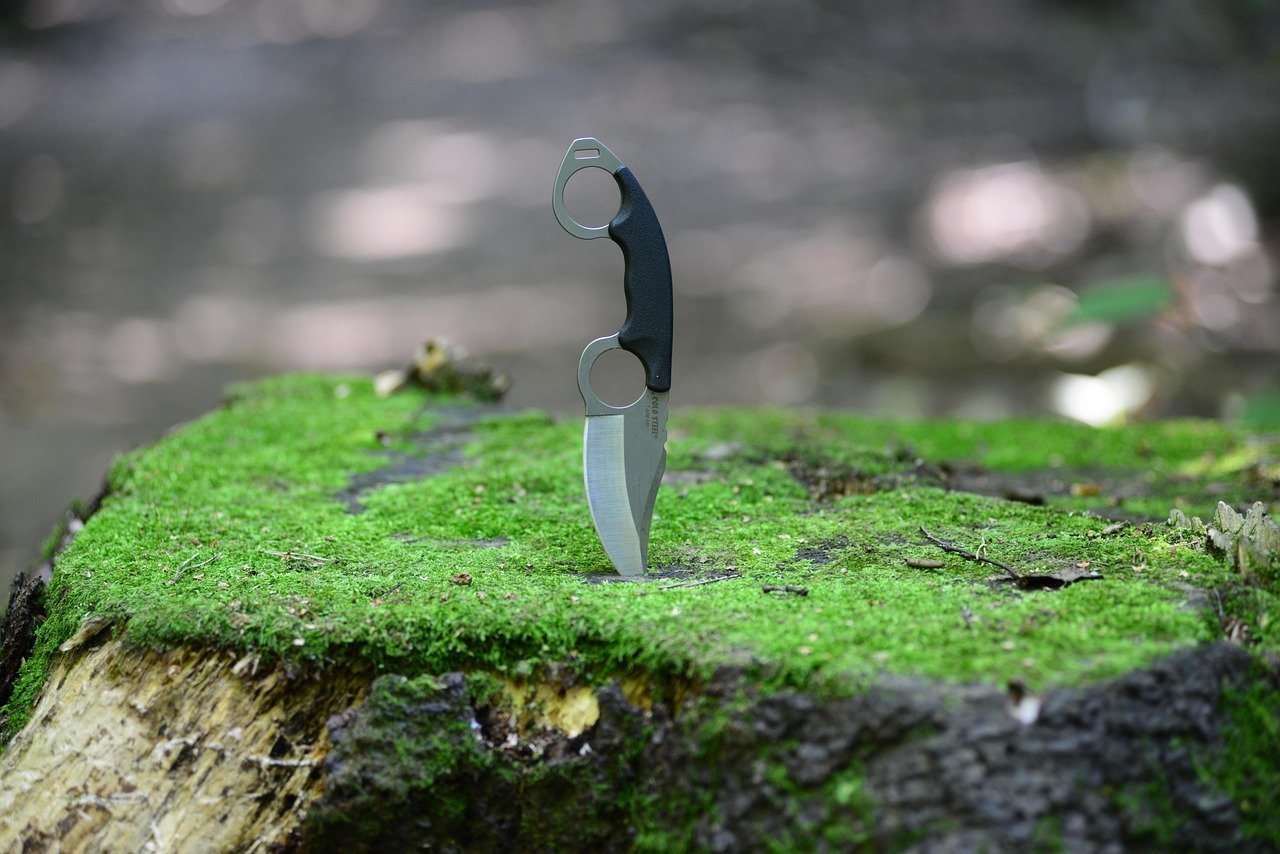
Fixed Blade Knives: Generally more robust than folding knives, fixed blade knives lack a folding mechanism. They are typically used for heavy-duty tasks and outdoor activities. However, they are less convenient for everyday carry due to their size.
Multi-Tools: These devices combine a knife blade with additional tools such as screwdrivers, pliers, or scissors. Multi-tools can be an excellent option for those who need a knife alongside other functions without carrying multiple tools.
Automatics: Automatic knives, or switchblades, open with the push of a button. They offer quick deployment but are subject to stricter regulations in many areas.
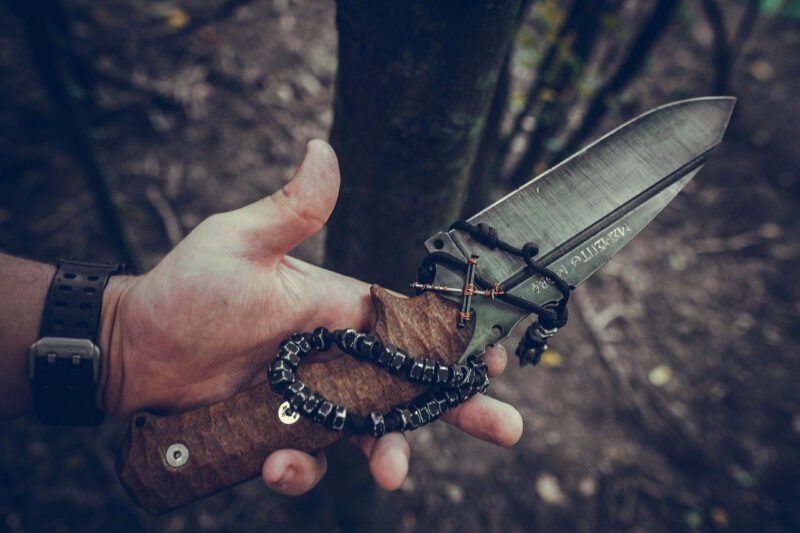
Tactical Knives: Designed for specific scenarios in mind, tactical knives often feature unique blade shapes or finishes. They are durable and typically have ergonomic grips.
Key Features to Consider
Blade Steel
The blade’s material massively influences its performance. Here are some common blade steels:
- AUS-8: A popular choice for budget EDC knives, AUS-8 provides good corrosion resistance and edge retention.
- VG-10: Known for its balance of toughness and sharpening ease, VG-10 is often used in high-end knives.
- D2: This high-carbon tool steel is recognized for its hardness and edge retention, making it suitable for tough tasks.
Blade Shape
The blade shape affects how the knife performs in different scenarios:
- Drop Point: This design is popular for general use, featuring a convex tip that provides control and strength for piercing.
- Tanto: Known for its strength, the tanto blade is suitable for puncturing and heavy-duty tasks.
- Spear Point: This shape provides a centrally located point for precision cuts.
Size and Weight
Consideration of size and weight is crucial for EDC knives. A knife that’s compact and lightweight is easier to carry daily. Most EDC knives fall within the 3-4 inch blade range, offering a balance of functionality without being cumbersome. Additionally, a lighter knife often features materials like aluminum or polymer in the handle, making it ideal for everyday carry.
Handle Material
Various handle materials offer different levels of grip, durability, and comfort:
- G-10: A composite of glass and epoxy, G-10 is lightweight and strong, providing good grip.
- Aluminum: Provides a sleek look, though it may not offer the same level of grip as textured materials.
- Rubber: Offers superior grip and is often found on tactical knives for enhanced control in adverse conditions.
Locking Mechanism
The locking mechanism keeps the blade securely in place during use. Common types include:
- Liner Lock: This popular locking type uses a metal liner on the handle to lock the blade.
- Frame Lock: Similar to the liner lock, but uses the handle frame itself to secure the blade.
- Back Lock: This mechanism employs a lever at the back of the handle and is known for its reliability.
Edge Type
- Plain Edge: Ideal for daily cutting tasks providing a clean cutting surface.
- Serrated Edge: Designed for cutting through tougher materials like rope or fabric.
Price Range
Quality EDC knives can range from under $20 to several hundred dollars. It’s important to establish a budget while ensuring the knife meets your needs.
Brand Reputation
Choosing brands known for their craftsmanship and customer service is essential. Brands like Benchmade, Spyderco, and Zero Tolerance have established themselves as leaders in the EDC knife market.
Practical Applications
Everyday Usage
An EDC knife should excel in routine tasks, such as opening packages, cutting threads, and meal prep. A well-designed drop point folding knife satisfies these needs seamlessly.
Outdoor Activities
If your lifestyle includes hiking, camping, or fishing, a fixed-blade knife or a heavy-duty folding knife can be more suitable. Look for models that can handle tasks like wood carving or food preparation in camping scenarios.
Survival Situations
In emergencies, a tactical knife or a multi-tool can offer essential functions. A fixed blade designed for resilience may be more advantageous, as it sustains more abuse than folding knives.
Maintenance Tips
Cleaning: Regularly clean your knife to maintain hygiene and performance. Use warm soapy water and dry it thoroughly, especially if the basic materials are prone to rusting.
Sharpening: Keep your blade sharp using a whetstone or a guided sharpening tool. Regular honing can maintain edge sharpness without the need for complete sharpening.
Lubrication: Apply a few drops of lubricant on the pivot area of folding knives to ensure smooth operation.
Storage: Store your knives in a dry, cool place. Consider knife rolls for travel or display cases for collection.
Safety Practices: Always handle knives with care, and ensure the blade is fully locked when using folding knives.
How to Buy the Right EDC Knife
Research Online
Begin with online reviews and knife forums. Websites like BladeForums and YouTube channels dedicated to gear reviews can provide valuable insights from experienced users.
Handle the Knife
Whenever possible, visit a local store to handle the knives. Ensure it fits comfortably in your hand and is easy to deploy.
Ask for Recommendations
Reach out to knife enthusiasts, friends, or family who may have experience with specific models. Personal testimonials often provide clarity beyond specifications.
Consider Local Laws
Familiarize yourself with local laws concerning knives, especially for automatic or tactical models. Understanding these regulations can ensure you stay compliant and avoid legal issues.
Customization Options
For those passionate about knives, customization can further enhance functionality. Options include personalized grips, blade shapes, and even engraving. Some manufacturers offer customization services, enabling you to develop a knife tailored to specific needs.
Conclusion
In choosing the best EDC knife, consider the type, features, and your particular needs. Quality, materials, and practicality play essential roles in your decision-making process. By thoroughly researching and understanding your preferences, you’re sure to find the perfect tool that seamlessly complements your everyday life.