


Understanding the Importance of Knife Sharpness
Knives are an essential tool in any kitchen, and their performance significantly affects the overall cooking experience. A sharp knife not only makes food preparation easier and more enjoyable but also promotes safety. Understanding when to sharpen your kitchen knives can save you time and enhance your cooking skills.
Signs Your Knife Needs Sharpening
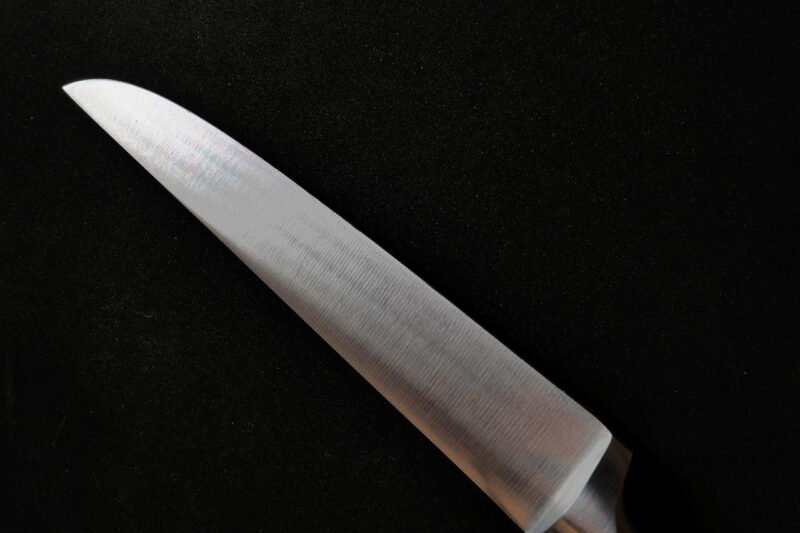
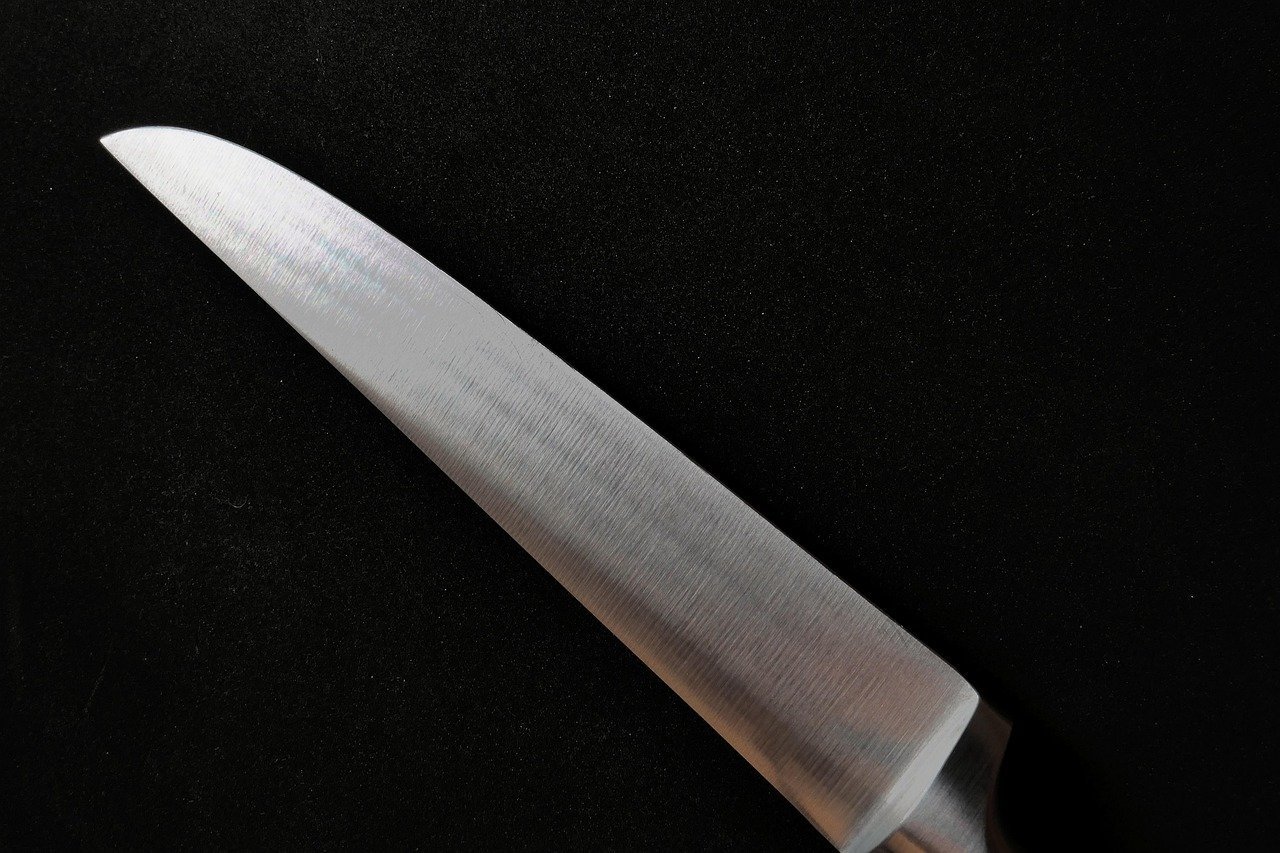
Visual Inspection: Regularly examine the blade for nicks, chips, or dullness. A shiny edge indicates a well-maintained knife, while a matte or rounded edge suggests it’s time for a sharpening.
Paper Test: A quick test involves cutting through a piece of paper. If the knife struggles and tears the paper instead of slicing cleanly, it indicates dullness and a need for sharpening.
Tomato Test: A fresh tomato can be a great indicator. A sharp knife should effortlessly glide through the skin. If you’re pressing down or using a sawing motion, consider sharpening.
Push Test: Hold the knife at a slight angle to a cutting surface and attempt to push the tip forward. A sharp knife should move easily, while a dull knife will require more force.
Food Resistance: When chopping through vegetables, meats, or herbs, if you notice resistance or tearing, it’s a sign that your knife is losing its edge.
Frequency of Sharpening
Regular Use: For everyday home cooks, sharpening once a month may be ideal. This frequency helps maintain a sharp edge and promotes overall knife longevity.
Professional Chefs: In professional settings where knives are used multiple times a day, sharpening may be necessary weekly or even daily. Regular honing between sharpenings can keep them effective.
Types of Blades: Stainless steel knives generally require sharpening less often than carbon steel knives due to their construction. However, carbon steel can hold a sharper edge longer than stainless if maintained correctly.
Honing vs. Sharpening: It’s essential to differentiate between honing and sharpening. Honing realigns the edge to maintain sharpness and can be done regularly, while sharpening actually removes material to create a new edge.
How to Sharpen Your Kitchen Knives
Using a Whetsone: This traditional method involves using a flat stone, typically with a coarse side for grinding and a fine side for honing. It’s crucial to maintain a consistent angle (usually 15-20 degrees) while sliding the blade along the whetstone.
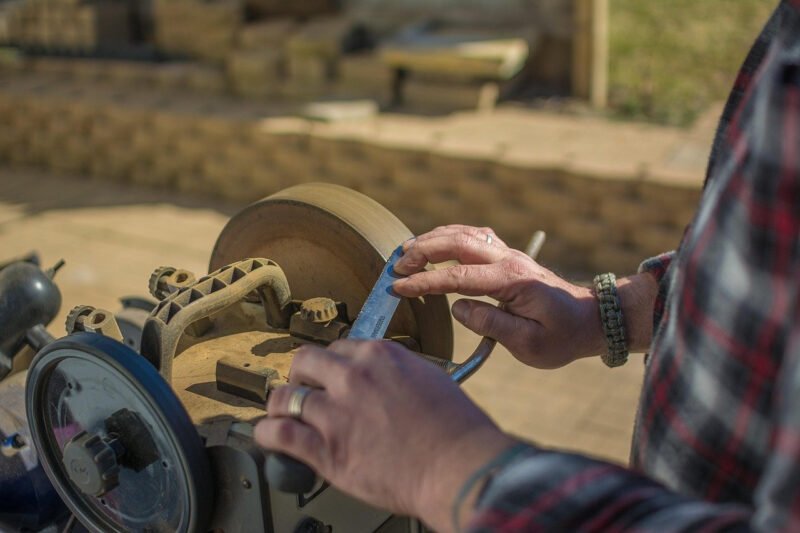
Employing a Knife Sharpener: Electric or handheld sharpeners can efficiently restore a knife’s edge. They often feature different stages for both sharpening and honing, providing convenience for those who prefer quick solutions.
Professional Sharpening Services: For high-end or sentimental knives, seeking professional sharpening services is advisable. Professionals use advanced techniques and equipment to restore blades to their original quality.
Angle Maintenance: Maintaining the right angle while sharpening is essential. A steeper angle (20 degrees) produces a thicker edge suited for tougher tasks, while a shallower angle (15 degrees) yields a thinner edge for delicate slicing.
Stropping: After sharpening, using a leather strop can polish the edge further and remove any micro-burrs that may form during the sharpening process.
Best Practices for Knife Care
Cutting Boards: Always use a high-quality cutting board, preferably made of wood or plastic, to minimize damage to the knife edge. Avoid glass or metal surfaces that can dull the knife quickly.
Hand Washing: Avoid placing knives in the dishwasher. Hand washing with mild soap and drying immediately helps preserve the blade’s integrity and prevents rusting or dulling.
Storage Solutions: Store knives in a way that prevents them from banging against each other. Magnetic strips, knife blocks, or slotted inserts are ideal for maintaining blade sharpness.
Regular Honing: Invest in a honing steel or ceramic rod to realign the edge regularly. A quick honing session before each use can prolong the time between sharpenings.
Avoid Cutting Frozen Foods: Refrain from cutting through frozen substances, as the pressure can chip or dull the blade. Defrost items first to maintain knife integrity.
Specific Use Cases and Their Impact on Sharpening
Different Culinary Techniques: Techniques like Japanese cooking often demand razor-sharp knives for precision cuts. This could mean a need for more frequent sharpening, particularly in delicate tasks like sushi preparation.
Seasonal Cooking: During harvest seasons, when vegetables and herbs require more preparation, it’s wise to sharpen more frequently, aligning with cooking habits and needs.
Home Baking: If you work with doughs or pie crusts, a sharp paring knife is vital for cleanliness in cuts. Regular sharpening may be necessary as the knife encounters sticky substances.
Common Misconceptions About Knife Sharpening
Only Professionals Need Sharp Knives: This is untrue; everyone benefits from using sharp knives. A sharp knife makes home cooking easier, increasing efficiency and enjoyment.
Dull Knives are Safer: Many believe that dull knives are less dangerous, but the opposite is true. A dull knife requires more force, increasing the likelihood of slips and potential injuries.
All Knives Can Be Sharpened in the Same Way: Different blades require different techniques and tools. Knives with serrated edges, for instance, require specialized sharpeners designed for that purpose.
Investing in Quality Knives
Blade Material: Invest in high-quality materials that maintain sharper edges longer, such as high-carbon stainless steel. Research brands with good reputations for durability and maintenance.
Regular Maintenance: Forming the habit of maintaining and sharpening knives can enhance their lifespan. Quality knives, when cared for, can serve for decades.
Assessing Price vs. Performance: While high-quality knives may come with a higher price tag, the investment pays off in performance, safety, and longevity.
Final Thoughts on Knife Maintenance
Understanding when and how to sharpen kitchen knives can transform your cooking experience. It’s not just about cutting; it’s about efficiency, safety, and enjoyment in the kitchen. By recognizing the signs of dullness and adopting proper maintenance techniques, you can ensure your knives always perform at their best.